ข่าว & บล็อก
สิ่งยิ่งใหญ่ในธุรกิจไม่เคยสำเร็จได้ด้วยคนเพียงคนเดียว แต่สำเร็จได้ด้วยทีมของคนที่ทำงานร่วมกัน เรามีกลุ่มคนที่มีพลวัตเช่นนั้น

บทความนี้นำเสนอการวิเคราะห์เชิงลึกเกี่ยวกับเรื่องที่น่าสนใจ กระบวนการผลิตขวดแก้ว. จากวัตถุดิบไปจนถึงผลิตภัณฑ์สำเร็จรูป เราจะสำรวจว่า ขวดแก้วถูกผลิตขึ้น, เผยให้เห็นขั้นตอนที่ซับซ้อนในการเปลี่ยนวัตถุดิบธรรมดาให้กลายเป็นสิ่งที่พบเห็นได้ทั่วไป ภาชนะ เราใช้ทุกวัน คู่มือที่ครอบคลุมนี้มีคุณค่าแก่การอ่านสำหรับทุกคนที่อยากรู้อยากเห็นเกี่ยวกับ การผลิตแก้ว, นำเสนอข้อมูลเชิงลึกเกี่ยวกับเทคโนโลยี ความแม่นยำ และศิลปะที่อยู่เบื้องหลังทุก ขวดแก้ว และ ขวด ที่เรียงรายอยู่บนชั้นวางของเรา.
การเดินทางของ ขวดแก้ว เริ่มต้นด้วยการผสมผสานอย่างแม่นยำของ วัตถุดิบ. ส่วนประกอบหลักคือ ซิลิกา ทราย ซึ่งเป็นโครงสร้างพื้นฐานของ แก้ว. อย่างไรก็ตาม, ซิลิกา เพียงอย่างเดียวมีค่าสูงมาก จุดหลอมเหลว, ทำให้ไม่สามารถนำไปใช้ได้จริงสำหรับ การผลิตแก้ว. เพื่อเอาชนะสิ่งนี้, โซดาแอช ถูกเพิ่มเพื่อลด จุดหลอมเหลว, ทำให้ กระบวนการทำแก้ว จัดการได้ง่ายขึ้น.
หินปูน เป็นองค์ประกอบสำคัญอีกประการหนึ่งที่ถูกเพิ่มเข้ามาเพื่อเสริมประสิทธิภาพทางเคมี ความเสถียรของกระจก, ป้องกันไม่ให้มันละลายในน้ำ. นอกเหนือจากส่วนผสมหลักเหล่านี้, แก้วรีไซเคิล, หรือที่รู้จักในนามว่า เศษแก้ว, มักถูกใช้. เศษแก้ว ไม่เพียงแต่ลดของเสีย แต่ยังลดพลังงานที่จำเป็นสำหรับการหลอมเหลว ทำให้ กระบวนการที่มีประสิทธิภาพด้านพลังงานมากขึ้น. สัดส่วนที่แน่นอนของสิ่งเหล่านี้ วัตถุดิบ ถูกควบคุมอย่างระมัดระวังเพื่อให้ได้คุณสมบัติที่ต้องการของผลิตภัณฑ์สำเร็จรูป ขวดแก้ว, เช่น สี ความใส และความคงทน. แก้วถูกผลิตขึ้น ของเหล่านี้.
The วัตถุดิบ ผสมให้เข้ากันอย่างทั่วถึงแล้วจึงนำไปใส่ใน เตาหลอม, ซึ่งพวกมันจะถูกทำให้ได้รับความร้อนอย่างรุนแรง โดยทั่วไปอยู่ที่ประมาณ 1700°C (3100°F) นี่คือ กระบวนการหลอมละลาย ซึ่งเปลี่ยนส่วนผสมที่เป็นเม็ดละเอียดให้กลายเป็น แก้วหลอมเหลว, ของเหลวหนืดที่เปล่งแสง. ความร้อนที่รุนแรงทำให้ วัตถุดิบ หลอมรวมกันเป็นของเหลวที่มีลักษณะเดียวกัน เตาหลอม ทำงานอย่างต่อเนื่อง, 24 ชั่วโมงต่อวัน, 7 วันต่อสัปดาห์, เพื่อรักษาอุณหภูมิสูงที่จำเป็นสำหรับ การผลิตแก้ว.
ภายใน เตาหลอม, ที่ แก้วหลอมเหลว ผ่านกระบวนการกลั่นเพื่อกำจัด ฟองอากาศ หรือสิ่งเจือปน. สิ่งนี้มีความสำคัญอย่างยิ่งต่อการรับประกันความใสและความแข็งแรงของผลิตภัณฑ์ที่เสร็จสมบูรณ์ ขวดแก้ว. . กระบวนการหลอมละลาย เป็นขั้นตอนสำคัญใน การผลิตขวดแก้ว การเดินทาง, การวางรากฐานสำหรับขั้นตอนการสร้างต่อไป. แก้วถูกสร้างขึ้น ในกระบวนการนี้.
เมื่อ แก้ว ละลายและกลั่นแล้ว พร้อมสำหรับ กระบวนการผลิต, ซึ่งมันมีรูปร่างที่คุ้นเคยของ ขวด หรือ ขวด. มีวิธีการต่าง ๆ ที่ใช้, เช่น ตัวอย่างเช่น, วิธีกดและเป่า. . กระบวนการผลิตแก้ว สามารถแตกต่างกันได้ เทคนิคที่พบบ่อยอย่างหนึ่งคือ “เป่าและเป่า”กระบวนการที่ใช้หลักสำหรับคอขวดแคบ ภาชนะ. ในวิธีนี้, a ก๊อบ ของ แก้วหลอมเหลว ถูกส่งไปยังแม่พิมพ์ และ อากาศอัด ใช้เพื่อสร้างโพรงกลวง, สร้าง การเปรียบเทียบ, ขั้นต้น รูปทรงขวด. . การเปรียบเทียบถูกพลิกกลับ และถ่ายโอนไปยังแม่พิมพ์ที่สอง ซึ่งจะมีการปล่อยลมอีกครั้งเพื่อขยายมันให้ถึงขนาดสุดท้าย รูปทรงขวด.
อีกวิธีหนึ่งที่นิยมใช้กันอย่างแพร่หลายคือ “กดและเป่า”กระบวนการนี้ มักนิยมใช้สำหรับปากกว้าง ขวดแก้ว และบางประเภทของ ขวด. ในเทคนิคนี้, a ลูกสูบ ใช้สำหรับกด ก๊อบ ของ แก้วหลอมเหลว เข้าไปใน การเปรียบเทียบ ขึ้นรูปเป็นรูปร่างพื้นฐาน การเปรียบเทียบ จะถูกถ่ายโอนไปยังแม่พิมพ์เป่า ซึ่ง อากาศอัด ใช้เพื่อขยายให้เป็นรูปแบบสุดท้าย. กระบวนการอนุญาตให้แก้ว ที่จะถูกหล่อหลอม ทั้งสอง ขวดและโหล ใช้วิธีการเหล่านี้. กระบวนการกดและเป่า สร้างการกระจายที่สม่ำเสมอมากขึ้นของ แก้ว, ส่งผลให้เกิด ภาชนะ ด้วยกำลังและความแม่นยำในมิติที่มากขึ้น.
| กระบวนการ | คำอธิบาย | ประเภทของตู้คอนเทนเนอร์ | ข้อดี | ข้อเสีย |
|---|---|---|---|---|
| เป่าและเป่า | A ก๊อบ ของ แก้วหลอมเหลว ถูกสร้างขึ้นเป็น การเปรียบเทียบ ใช้ลมอัด. การเปรียบเทียบ จากนั้นจะถูกถ่ายโอนไปยังแม่พิมพ์เป่าและเป่าให้เป็นรูปทรงสุดท้ายโดยใช้ลมอัด. | ขวดคอแคบ | เหมาะสำหรับการออกแบบที่ซับซ้อน, ผลิตขวดที่เบากว่า | การควบคุมน้อยลง แก้ว การกระจาย, อาจส่งผลให้เกิดการอ่อนแอ ขวด, ไม่เหมาะสำหรับปากกว้าง |
| กดและเป่า | A ลูกสูบ กด a ก๊อบ ของ แก้วหลอมเหลว เข้าไปใน การเปรียบเทียบ. . การเปรียบเทียบ จะถูกถ่ายโอนไปยังแม่พิมพ์เป่าและเป่าให้เป็นรูปทรงสุดท้ายโดยใช้ลมอัด. กระบวนการกดและเป่า มีประสิทธิภาพมาก. | ขวดปากกว้าง, ขวดบางชนิด | สม่ำเสมอมากขึ้น แก้ว การกระจาย, แข็งแกร่งขึ้น ขวด, ความแม่นยำของมิติที่ดีขึ้น | อาจช้ากว่าการเป่าและเป่า อาจไม่เหมาะกับการออกแบบที่ซับซ้อนมาก |
| การอัดและเป่าด้วยคอแคบ (NNPB) | รูปแบบหนึ่งของการกดและเป่าที่ออกแบบมาเฉพาะสำหรับขวดคอแคบ โดยใช้ลูกสูบขนาดเล็กและแม่นยำกว่าในการขึ้นรูปพาริซอน ซึ่งช่วยให้ควบคุมการกระจายตัวของแก้วบริเวณคอและไหล่ขวดได้ดียิ่งขึ้น. | ขวดคอแคบ | ขวดน้ำหนักเบาที่มีความแข็งแรงดีและมีขนาดแม่นยำ | ซับซ้อนมากขึ้น และอาจต้องการอุปกรณ์เฉพาะทางมากขึ้น |
หลังจาก กระบวนการผลิต, ที่เพิ่งก่อตั้งขึ้นใหม่ ขวดแก้ว ยังคงร้อนอยู่และมี ความเครียดภายใน ซึ่งอาจทำให้แตกหรือกระจายได้ เพื่อบรรเทาความเครียดนี้, ขวด ผ่านกระบวนการสำคัญที่เรียกว่า การอบอ่อน. ซึ่งเกี่ยวข้องกับการส่งผ่าน ขวด ผ่านเตาอบยาวที่ควบคุมอุณหภูมิได้ เรียกว่า เลาห์ (lehr) นี่เป็นขั้นตอนที่สำคัญมากของ การผลิตขวดแก้ว.
ในเลห์ร์, ขวดแก้ว ค่อยๆ เย็นลงในช่วงเวลาที่กำหนด การทำให้เย็นลงอย่างช้าๆ กระบวนการอนุญาตให้แก้ว ให้แข็งตัวเป็นเนื้อเดียวกัน ลดลง ความเครียดภายใน และเพิ่มความแข็งแรงและความทนทานของ แก้ว. . กระบวนการอบอ่อน เป็นสิ่งจำเป็นสำหรับการรับรองว่า ขวดแก้ว สามารถทนต่อความเข้มงวดของการบรรจุ การขนส่ง และการใช้งานในชีวิตประจำวันได้. การอบอ่อน มีความสำคัญอย่างยิ่งสำหรับ แก้ว.
การควบคุมคุณภาพ เป็นสิ่งสำคัญสูงสุดใน การผลิตขวดแก้ว. ตลอดทั้ง กระบวนการผลิต, จากการผสมเริ่มต้นของ วัตถุดิบ จนถึงการบรรจุภัณฑ์ขั้นสุดท้าย จะมีการตรวจสอบและทดสอบอย่างเข้มงวดเพื่อให้แน่ใจว่า ขวดแก้ว เป็นไปตามมาตรฐานที่กำหนด ซึ่งรวมถึงการตรวจสอบว่า ข้อบกพร่องเช่น รอยแตก ฟองอากาศ หรือความแตกต่างของความหนาของผนัง นอกจากนี้ยังตรวจสอบประเภทใด ๆ ของ พื้นผิวแก้ว ปัญหา.
ระบบตรวจสอบอัตโนมัติที่ใช้กล้องและเซ็นเซอร์ มักถูกนำมาใช้เพื่อตรวจจับแม้กระทั่งข้อบกพร่องที่เล็กน้อยที่สุด ระบบเหล่านี้สามารถระบุ ข้อบกพร่องที่อาจพลาดโดยสายตาของมนุษย์ เพื่อให้มั่นใจว่าเฉพาะ แก้วคุณภาพ ผลิตภัณฑ์ถึงผู้บริโภค. ขวดแก้ว ที่ไม่ผ่านเกณฑ์คุณภาพจะถูกปฏิเสธและมักจะถูกนำกลับมาใช้ใหม่ใน กระบวนการ ในฐานะ เศษแก้ว, ซึ่งเน้นย้ำถึงความมุ่งมั่นของอุตสาหกรรมในการพัฒนาอย่างยั่งยืน. กระจกถูกตัด หากมีปัญหาใด ๆ. กระจกไม่มีพิษ และปลอดภัย.
ในขณะที่ส่วนผสมพื้นฐานสำหรับ แก้ว ยังคงค่อนข้างคงที่ ประเภทต่างๆ ของ แก้ว สามารถสร้างได้โดยการปรับเปลี่ยนองค์ประกอบและกระบวนการผลิต กระบวนการ. โซดา-ไลม์ แก้ว คือมากที่สุด ใช้กันอย่างแพร่หลาย พิมพ์สำหรับ ขวดและโหล, เนื่องจากความหลากหลาย ความคุ้มค่า และการรีไซเคิลได้ นี่คือสิ่งที่ได้รับความนิยมอย่างมาก ชนิดของแก้ว. มันคือ แก้ว เราพบเห็นทั่วไปในสิ่งของในชีวิตประจำวัน เช่น ขวดไวน์, อาหาร ขวด, และเครื่องดื่ม ภาชนะ.
โบโรซิลิเกต แก้ว, ซึ่งเป็นที่รู้จักในด้านความต้านทานต่อความร้อนได้อย่างยอดเยี่ยม มักถูกใช้สำหรับอุปกรณ์แก้วในห้องปฏิบัติการและบางประเภทพิเศษ ภาชนะ ที่ต้องการความทนทานต่อความร้อนสูง อีกประเภทหนึ่งคือกระจกนิรภัย แก้ว, ซึ่งผ่านการอบความร้อนพิเศษเพื่อเพิ่มความแข็งแรงและทำให้แตกเป็นชิ้นเล็ก ๆ ที่ไม่เป็นอันตรายหากแตกหัก ซึ่งทำให้เหมาะสำหรับการใช้งานที่ความปลอดภัยเป็นสิ่งสำคัญ การเลือกประเภทที่เหมาะสมขึ้นอยู่กับการใช้งานที่ตั้งใจของ ภาชนะ และคุณสมบัติที่ต้องการ. นี่คือที่ที่ แก้วคุณภาพ มีความสำคัญ.
เศษแก้ว, หรือ แก้วรีไซเคิล, มีบทบาทสำคัญในการพัฒนาอย่างยั่งยืน การผลิตขวดแก้ว. การใช้ แก้วรีไซเคิล ใน กระบวนการผลิต มอบประโยชน์ต่อสิ่งแวดล้อมหลายประการ ประการแรก มันช่วยลดความต้องการสำหรับ วัตถุดิบ, การอนุรักษ์ทรัพยากรธรรมชาติ. สอง, เศษแก้ว ละลายที่อุณหภูมิต่ำกว่า วัตถุดิบ, หมายความว่าต้องใช้พลังงานน้อยลงใน เตาหลอม, ซึ่งนำไปสู่การปล่อยก๊าซเรือนกระจกที่ลดลง.
การรวมเข้าด้วยกัน เศษแก้ว เข้าไปใน แก้ว ส่วนผสมยังสามารถทำให้ กระบวนการหลอมละลาย มีประสิทธิภาพมากขึ้น. อุตสาหกรรมแก้ว ส่งเสริมการใช้ แก้วรีไซเคิล, และอีกมากมาย ผู้ผลิตขวดแก้ว มุ่งมั่นที่จะเพิ่มสัดส่วนของ เศษแก้ว ในการผลิตของพวกเขา ความมุ่งมั่นในการใช้ แก้วรีไซเคิล แสดงให้เห็นถึงความมุ่งมั่นของอุตสาหกรรมต่อความรับผิดชอบต่อสิ่งแวดล้อม และมีส่วนร่วมในการสร้างเศรษฐกิจหมุนเวียนที่มากขึ้นสำหรับ บรรจุภัณฑ์แก้ว. ในหลายกรณี, เศษแก้วที่ถูกบดละเอียด ใช้เป็น เศษแก้ว. เศษแก้ว ถูกเพิ่มเข้าไปใน เตาหลอม ในเวลาเดียวกันกับวัสดุอื่น ๆ ที่จะประกอบขึ้นเป็น ส่วนผสมของแก้ว.
การเดินทางจาก เตาหลอม ถึงขั้นเสร็จสมบูรณ์ ขวดแก้ว เป็นการเปลี่ยนแปลงที่น่าทึ่ง. แก้วหลอมเหลว, ของเหลวที่เปล่งประกาย ถูกตวงอย่างระมัดระวังในปริมาณที่แม่นยำซึ่งเรียกว่า ก้อน. ขนาดและน้ำหนักของ ก๊อบ มีความสำคัญอย่างยิ่ง เนื่องจากเป็นตัวกำหนดขนาดสุดท้ายของ ภาชนะแก้ว. . ก๊อบ เหมือนกับ กระแสของแก้วหลอมเหลว. สิ่งเหล่านี้ ก้อน จากนั้นจะถูกนำทางผ่านรางและเข้าสู่เครื่องขึ้นรูป ซึ่งเป็นที่ที่เวทมนตร์เกิดขึ้น.
ในเครื่องขึ้นรูป ไม่ว่าจะเป็น กระบวนการเป่าและเป่า หรือ กระบวนการกดและเป่า, ที่ ก๊อบ กำลังถูกหล่อหลอมอย่างรวดเร็วเป็น ขวด หรือ ขวด. สิ่งนี้ กระบวนการก่อตัว ต้องการการควบคุมเวลาและอุณหภูมิรวมถึงการไหลของอากาศอย่างแม่นยำ แม่พิมพ์ที่ใช้ในเครื่องจักรเหล่านี้ถูกสร้างขึ้นอย่างพิถีพิถันเพื่อให้แน่ใจว่าแต่ละ ขวดแก้ว ตรงตามข้อกำหนดที่แน่นอน นี่คือ รูปร่างพื้นฐานของขวด. ความเร็วและความมีประสิทธิภาพของการเปลี่ยนแปลงนี้เป็นเครื่องพิสูจน์ถึงวิศวกรรมขั้นสูงที่เกี่ยวข้องในสมัยใหม่ การผลิตขวดแก้ว. ใช้เวลาประมาณ 9-12 วินาทีในการทำ ขวดแก้ว.
| เวที | คำอธิบาย | ข้อควรพิจารณาหลัก |
|---|---|---|
| การผสมวัตถุดิบ | ทรายซิลิกา, โซดาแอช, หินปูน, และเศษแก้วถูกชั่งน้ำหนักและผสมอย่างแม่นยำ. | สัดส่วนที่ถูกต้องมีความสำคัญอย่างยิ่งต่อคุณสมบัติของแก้วที่ต้องการ (ความใส ความแข็งแรง สี). |
| การละลาย | ส่วนผสมของวัตถุดิบถูกให้ความร้อนในเตาหลอมจนถึงประมาณ 1700°C (3100°F) ทำให้กลายเป็นแก้วหลอมเหลว. | การควบคุมอุณหภูมิเป็นสิ่งสำคัญสำหรับการหลอมละลายและการกลั่นบริสุทธิ์อย่างสมบูรณ์ ต้องกำจัดฟองอากาศและสิ่งเจือปนออกให้หมด. |
| การก่อตัวของก๊อบ | แก้วหลอมเหลวจะถูกตวงออกมาเป็นส่วนๆ ที่เรียกว่า "ก๊อบ". | น้ำหนักและอุณหภูมิของก๊อบมีความสำคัญอย่างยิ่งต่อขนาดขวดที่สม่ำเสมอ. |
| การก่อตัว | ก๊อบจะถูกป้อนเข้าไปในแม่พิมพ์และขึ้นรูปเป็นขวดหรือโหลโดยใช้กระบวนการเป่าและเป่าซ้ำ หรือกระบวนการกดและเป่า. กระบวนการ B&B ก็ถูกใช้เช่นกัน นี่คือขั้นตอนที่สำคัญที่สุดใน การผลิตแก้ว. | การควบคุมเวลาอย่างแม่นยำ, การควบคุมอุณหภูมิ, และการไหลเวียนของอากาศเป็นสิ่งจำเป็นสำหรับการขึ้นรูปที่ถูกต้องและเพื่อหลีกเลี่ยงข้อบกพร่อง. กระบวนการและ NNPB เป็นสองวิธีที่แตกต่างกันในการขึ้นรูปขวด. |
| การอบอ่อน | ขวดที่เพิ่งผลิตใหม่จะถูกทำให้เย็นลงอย่างช้า ๆ ในเตาหล่อ (เตาอบอบอ่อน) เพื่อลดความเค้นภายใน. | อัตราการเย็นตัวที่ควบคุมได้ช่วยป้องกันการแตกร้าวและรับประกันความแข็งแรงและความทนทานของกระจก. |
| การตรวจสอบ | ขวดถูกตรวจสอบหาข้อบกพร่อง (รอยร้าว, ฟองอากาศ, ความแตกต่างของขนาด) โดยใช้ระบบอัตโนมัติและการตรวจสอบด้วยมือ. | การควบคุมคุณภาพอย่างเข้มงวดทำให้มั่นใจได้ว่าขวดที่ไร้ที่ติเท่านั้นที่จะถึงตลาด. |
| บรรจุภัณฑ์ | ขวดที่ได้รับการอนุมัติแล้วจะถูกบรรจุเพื่อจัดส่งให้กับลูกค้า. | บรรจุภัณฑ์ที่เหมาะสมช่วยปกป้องขวดระหว่างการขนส่งและการเก็บรักษา. |
The การผลิตขวดแก้ว อุตสาหกรรมยังคงพัฒนาอย่างต่อเนื่อง โดยได้รับแรงขับเคลื่อนจากนวัตกรรมและการให้ความสำคัญที่เพิ่มขึ้นต่อ ความยั่งยืน. ผู้ผลิตแก้ว กำลังทำการวิจัยและพัฒนาเทคโนโลยีใหม่อย่างต่อเนื่องเพื่อปรับปรุงประสิทธิภาพ ลดผลกระทบต่อสิ่งแวดล้อม และตอบสนองความต้องการที่เปลี่ยนแปลงของผู้บริโภค. กระบวนการผลิตขวดแก้ว ได้รับการปรับปรุงอย่างต่อเนื่อง ซึ่งรวมถึงการสำรวจเทคนิคการขึ้นรูปขั้นสูงที่ช่วยให้สามารถสร้างรูปแบบที่ซับซ้อนมากขึ้น ขวด การออกแบบและน้ำหนักที่เบาลง ภาชนะ. นอกจากนี้ยังมีการวิจัยอย่างต่อเนื่องเกี่ยวกับวัสดุและสารเคลือบทางเลือกที่สามารถเพิ่มประสิทธิภาพและ ความยั่งยืน ของ บรรจุภัณฑ์แก้ว. สิ่งนี้จะช่วย การผลิตขวดแก้ว.
หนึ่งในพื้นที่ที่ให้ความสำคัญคือการพัฒนาให้มีประสิทธิภาพด้านพลังงานมากยิ่งขึ้น เตาหลอม และกระบวนการต่างๆ ซึ่งรวมถึงการสำรวจการใช้เชื้อเพลิงทางเลือก การเพิ่มประสิทธิภาพระบบกู้คืนความร้อน และการนำเทคโนโลยีการควบคุมกระบวนการขั้นสูงมาใช้ อุตสาหกรรมยังมุ่งมั่นที่จะเพิ่มการใช้ แก้วรีไซเคิล, โดยมีเป้าหมายในการบรรลุระบบแบบปิดที่ ขวดแก้ว ถูกนำกลับมาใช้ใหม่เป็นของใหม่ ภาชนะแก้ว ไม่มีกำหนด การพัฒนาเหล่านี้จะช่วยให้มั่นใจว่า แก้ว ยังคงเป็นวัสดุบรรจุภัณฑ์ที่ได้รับความนิยมเนื่องจากความสวยงาม ความสามารถในการใช้งาน และ ความยั่งยืน. การใช้ แก้ว ดีต่อสิ่งแวดล้อม.
ขวดแก้ว มีอยู่ทุกหนทุกแห่งในชีวิตของเรา แต่เรากลับไม่ค่อยได้พิจารณาถึงความซับซ้อน กระบวนการ ที่เข้าไปสู่การสร้างของพวกเขา. การทำความเข้าใจขวดแก้ว หมายถึงการชื่นชมปฏิสัมพันธ์อันซับซ้อนระหว่างวิทยาศาสตร์ เทคโนโลยี และศิลปะที่เกี่ยวข้องใน การผลิตขวดแก้ว. จากการคัดสรรอย่างพิถีพิถันของ วัตถุดิบ การควบคุมอย่างแม่นยำของ ละลาย และกระบวนการก่อตัว ทุกขั้นตอนมีบทบาทสำคัญอย่างยิ่งในการกำหนดรูปร่างของผลิตภัณฑ์สุดท้าย กระบวนการผลิตขวดแก้ว ไม่ใช่เรื่องง่าย.
การเดินทางของ ขวดแก้ว เป็นเครื่องพิสูจน์ถึงความคิดสร้างสรรค์ของมนุษย์และความสามารถของเราในการเปลี่ยนวัสดุธรรมดาให้กลายเป็นสิ่งของที่มีความงามและประโยชน์ใช้สอย ในฐานะผู้บริโภค การเข้าใจว่า ขวดแก้วถูกผลิตขึ้น สามารถแจ้งให้เราทราบถึงทางเลือกของเรา และส่งเสริมให้เราเห็นคุณค่าของ บรรจุภัณฑ์แก้ว. โดยการตระหนักถึงความสำคัญของการ รีไซเคิล และสนับสนุนการปฏิบัติที่ยั่งยืนใน อุตสาหกรรมแก้ว, เราสามารถมีส่วนร่วมในการสร้างอนาคตที่มีความรับผิดชอบต่อสิ่งแวดล้อมมากขึ้นสำหรับวัสดุที่หลากหลายและคงทนนี้ บทความนี้ได้ให้ภาพรวมที่ดีของ กระบวนการผลิตแก้ว.
นี่คือ 10 สิ่งที่สำคัญที่สุดที่ต้องจำเกี่ยวกับ การผลิตขวดแก้ว:
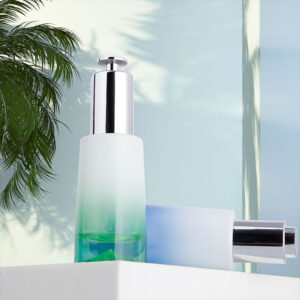
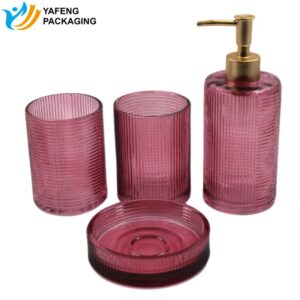
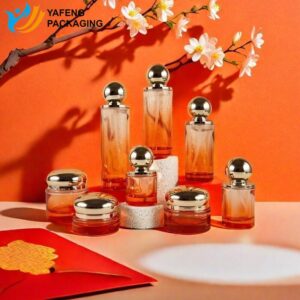
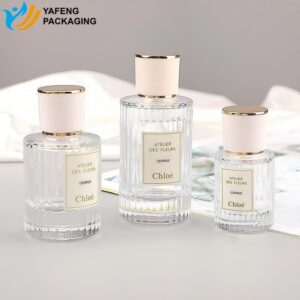
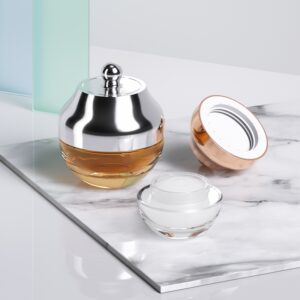
ยกระดับแบรนด์เครื่องสำอางของคุณด้วยบรรจุภัณฑ์ที่โดดเด่น! เรียนรู้วิธีปรับแต่งดีไซน์ เลือกสี ใช้ประโยชน์จากเทรนด์ และสร้างประสบการณ์การเปิดกล่องที่น่าประทับใจไม่รู้ลืม.
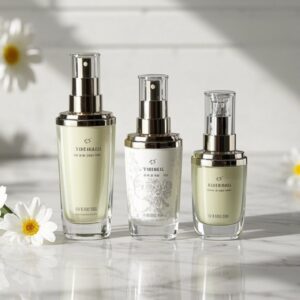
ค้นพบ 10 เคล็ดลับจากผู้เชี่ยวชาญในการเลือกขวดเครื่องสำอางที่ดีที่สุด เพื่อรับประกันคุณภาพ ความทนทาน และความยั่งยืน พร้อมยกระดับกิจวัตรความงามของคุณได้อย่างง่ายดาย.
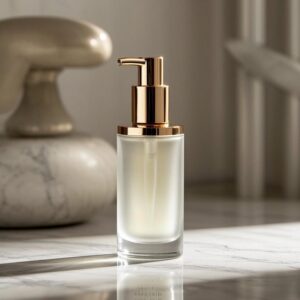
สำรวจกระบวนการผลิตขวดแก้ว ข้อบกพร่องที่พบบ่อย และแนวทางเพิ่มประสิทธิภาพคุณภาพ เรียนรู้วิธีเพิ่มประสิทธิภาพ ลดต้นทุน และปรับปรุงคุณภาพผลิตภัณฑ์.
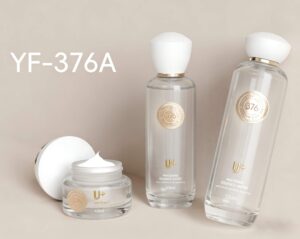
ทำไมขวดน้ำหอมที่ปั๊มร้อนส่วนใหญ่จึงไม่ผ่านการทดสอบแอลกอฮอล์ — และวิธีแก้ปัญหาด้วยเทคนิคการปั๊มร้อนด้วยแสง UV และการเคลือบสูญญากาศ PVD คู่มือวัสดุสำหรับแบรนด์น้ำหอม.
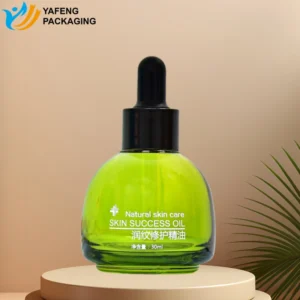
ค้นพบว่าการเคลือบสเปรย์ช่วยเพิ่มประสิทธิภาพในการดูแลผิวและบรรจุภัณฑ์น้ำหอมได้อย่างไร ด้วยการปรับปรุงรูปลักษณ์ อัตลักษณ์ของแบรนด์ ความทนทาน และความปลอดภัย ด้วยเทคโนโลยีขั้นสูง.
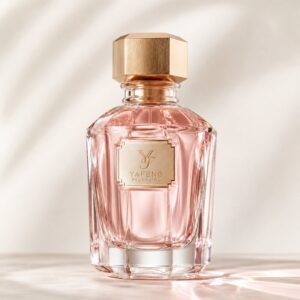
การเดินชมภายในโรงงานโดยผู้เชี่ยวชาญ เพื่อดูกระบวนการผลิตขวดน้ำหอมแก้วตั้งแต่ขั้นตอนวัตถุดิบ การหลอมที่อุณหภูมิ 1,500 องศาเซลเซียส การขึ้นรูป การอบอ่อน การตกแต่ง การตรวจสอบคุณภาพ ไปจนถึงการบรรจุ.
ทำไมขวดน้ำหอมที่ปั๊มร้อนส่วนใหญ่จึงไม่ผ่านการทดสอบแอลกอฮอล์ — และวิธีแก้ปัญหาด้วยเทคนิคการปั๊มร้อนด้วยแสง UV และการเคลือบสูญญากาศ PVD คู่มือวัสดุสำหรับแบรนด์น้ำหอม.
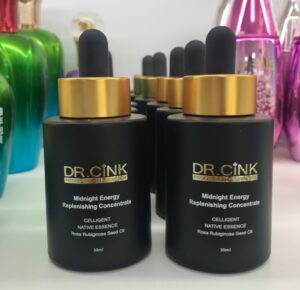
สำรวจการพิมพ์สกรีนและการพิมพ์ร้อนสำหรับขวดแก้วเครื่องสำอาง รวมถึงกระบวนการ ข้อบกพร่อง การเปรียบเทียบต้นทุน และเคล็ดลับในการเลือกผู้ผลิตที่เชื่อถือได้.
ค้นพบว่าการเคลือบสเปรย์ช่วยเพิ่มประสิทธิภาพในการดูแลผิวและบรรจุภัณฑ์น้ำหอมได้อย่างไร ด้วยการปรับปรุงรูปลักษณ์ อัตลักษณ์ของแบรนด์ ความทนทาน และความปลอดภัย ด้วยเทคโนโลยีขั้นสูง.
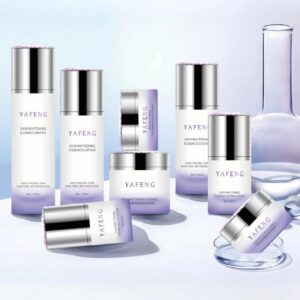
สำรวจขวดแบบสั่งทำพิเศษกับขวดมาตรฐานสำหรับบรรจุภัณฑ์สกินแคร์ เรียนรู้วิธีที่โซลูชันของ Yafeng ช่วยเสริมสร้างเอกลักษณ์แบรนด์ คุณภาพ และประสิทธิภาพในคู่มือฉบับสมบูรณ์นี้.
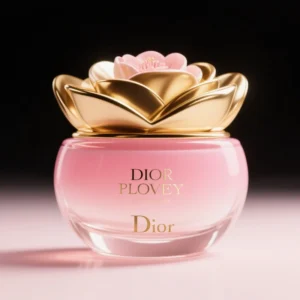
ค้นพบวิธีที่สเปรย์สีไล่เฉดสามารถเปลี่ยนขวดแก้วเครื่องสำอางให้โดดเด่น เสริมภาพลักษณ์แบรนด์ และเพิ่มความน่าสนใจของผลิตภัณฑ์ ด้วยข้อมูลเชิงลึกจากผู้เชี่ยวชาญของ Yafeng Packaging.