ข่าว & บล็อก
สิ่งยิ่งใหญ่ในธุรกิจไม่เคยสำเร็จได้ด้วยคนเพียงคนเดียว แต่สำเร็จได้ด้วยทีมของคนที่ทำงานร่วมกัน เรามีกลุ่มคนที่มีพลวัตเช่นนั้น

น้ำหอมหรูที่ขายปลีกในราคาหลายร้อยดอลลาร์สูญเสียมากกว่าการคืนเงินเมื่อโลโก้ที่ปั๊มนูนร้อนเริ่มลอกออกหกเดือนหลังจากการเปิดตัว — มันสูญเสียมูลค่าแบรนด์ที่สร้างขึ้นมานานหลายปี บทความนี้เริ่มต้นจากมาตรฐานการทดสอบในอุตสาหกรรม ผสมผสานข้อมูลจากห้องปฏิบัติการกับประสบการณ์การผลิตในแนวหน้า และวิเคราะห์อย่างเป็นระบบถึงความท้าทายที่แท้จริงที่การปั๊มนูนร้อนต้องเผชิญในการบรรจุน้ำหอมทำไมการปั๊มร้อนแบบดั้งเดิมจึงไม่ผ่านการทดสอบความต้านทานต่อแอลกอฮอล์? ทำไมการปั๊มร้อนด้วย UV และการเคลือบสูญญากาศ PVD จึงกลายเป็นตัวเลือกหลักสำหรับแบรนด์น้ำหอมระดับพรีเมียม? เมื่อจบบทความนี้ คุณจะมีความเข้าใจที่ชัดเจนและครอบคลุมเกี่ยวกับตรรกะการเลือกวัสดุ มาตรฐานการทดสอบ และการควบคุมคุณภาพสำหรับการปั๊มร้อนบนขวดแก้ว.
ความเข้าใจของคนส่วนใหญ่เกี่ยวกับการปั๊มร้อนหยุดอยู่แค่ “การติดแผ่นฟอยล์ทองลงบนพื้นผิว” การลดทอนความซับซ้อนเช่นนี้เป็นสาเหตุโดยตรงที่ทำให้ความล้มเหลวด้านคุณภาพมากมายบนขวดน้ำหอมถูกโยนความผิดให้ว่าเป็น “ความผิดพลาดของพนักงาน” ในขณะที่จุดอ่อนเชิงโครงสร้างของกระบวนการเองกลับไม่ได้รับการแก้ไข.
การตกแต่งด้วยฮอตสแตมป์มาตรฐานประกอบด้วยสี่ชั้นที่แตกต่างกัน จากด้านนอกเข้าด้านใน: ชั้นสีโลหะ (ฟอยล์อลูมิเนียมหรือฟอยล์โลหะผสม) → ชั้นปล่อย → ชั้นสี → ชั้นกาวที่ทำงานเมื่อได้รับความร้อน. ในระหว่างการผลิต เครื่องปั๊มจะให้ความร้อนที่ประมาณ 180–220°C และแรงดัน 0.3–0.5 MPa กาวที่ทำงานด้วยอุณหภูมิจะยึดแผ่นฟอยล์เข้ากับพื้นผิวกระจก ในขณะที่ชั้นปล่อยจะแตกตัวภายใต้ความร้อน ทำให้การถ่ายโอนเสร็จสมบูรณ์.
ต้นตอของปัญหาอยู่ที่ชั้นกาว. กาวร้อนที่ใช้ในการปั๊มร้อนแบบดั้งเดิม — โดยทั่วไปคือเอสเตอร์โรซินหรือเรซินอะคริลิก — มีโครงสร้างที่อ่อนแอต่อตัวทำละลายอินทรีย์ ตัวทำละลายหลักของน้ำหอมคือเอทานอล ซึ่งมีอยู่ในความเข้มข้น 70–90% ทำให้เป็นสารละลายอินทรีย์ที่ทรงพลังไม่ว่าจะวัดจากมาตรฐานใดก็ตามเมื่อของเหลวในน้ำหอมสัมผัสกับพื้นผิวภายนอกของขวดอย่างหลีกเลี่ยงไม่ได้ในระหว่างการใช้งาน เอทานอลจะซึมผ่านขอบของการตกแต่งที่ประทับตรา ทำให้ชั้นกาวอ่อนตัวลง และในที่สุดทำให้แผ่นฟอยล์ลอกออก ย่น หรือหลุดลอกออกทั้งหมด.
นี่ไม่ใช่ปัญหาฝีมือช่างที่โรงงานใดโรงงานหนึ่งโดยเฉพาะ แต่เป็น ความอ่อนแอของโครงสร้าง โดยธรรมชาติของการปั๊มถ่ายความร้อนแบบดั้งเดิมเมื่อเผชิญกับแอลกอฮอล์ที่มีความเข้มข้นสูง.
มาตรฐานหลักที่ควบคุมการปั๊มร้อนและการเคลือบตกแต่งบนขวดแก้วเครื่องสำอางประกอบด้วย:
| มาตรฐาน | ชื่อเรื่อง | ความเกี่ยวข้องกับการปั๊มร้อน |
|---|---|---|
| QB/T 4623 | เครื่องใช้บนโต๊ะอาหารกระจก — การตกแต่ง | ระบุวิธีการทดสอบชั้นตกแต่งโดยตรง |
| QB/T (ร่าง) | ภาชนะแก้ว — ขวดเครื่องสำอาง | ความทนทานต่อน้ำของชั้นเคลือบ/พิมพ์: น้ำที่อุณหภูมิ 70±2°C เป็นเวลา 30 นาที |
| GB/T 9286 | สีและแล็กเกอร์ — การทดสอบการตัดขวาง | วิธีการทำลายเส้นกากบาท (ตาราง) สำหรับการยึดเกาะ |
| QB/T 1858 | น้ำหอมและโคโลญ | มาตรฐานคุณภาพผลิตภัณฑ์ (รวมถึงข้อกำหนดความเข้มข้นของเอทานอล) |
| ASTM D3359 | มาตรฐานการทดสอบการยึดเกาะ | มาตรฐานการยึดติดข้ามสายพันธุ์ระหว่างประเทศ |
ภายใต้มาตรฐานอุตสาหกรรมขวดเครื่องสำอาง การเคลือบตกแต่ง (รวมถึงการปั๊มร้อน) ต้องผ่านการทดสอบ การทดสอบการแช่น้ำที่อุณหภูมิ 70±2°C เป็นเวลา 30 นาที ไม่มีการแยกชั้น, ไม่มีการพองตัว, หรือการเปลี่ยนแปลงสีอย่างมีนัยสำคัญ. นี่คือข้อกำหนดเบื้องต้นสำหรับการเข้าร่วม — ไม่ได้ออกแบบมาโดยเฉพาะเพื่อรองรับสภาพแวดล้อมที่มีแอลกอฮอล์สูงของน้ำหอม.
เนื่องจากน้ำหอมมีเอทานอลความเข้มข้นสูง เจ้าของแบรนด์และหน่วยงานรับรองมาตรฐานจึงมักเพิ่มการทดสอบเพิ่มเติมจากมาตรฐานระดับประเทศ — การทดสอบเหล่านี้มีความเข้มงวดมากกว่ามาตรฐานพื้นฐานอย่างมาก:
| รายการทดสอบ | เงื่อนไขการทดสอบ | ผ่านเกณฑ์ |
|---|---|---|
| ความต้านทานต่อแอลกอฮอล์ | เอทานอลไร้น้ำ, สำลีก้าน, เช็ดไป-กลับ 100 ครั้ง | ไม่พบการสูญเสียทองคำหรือการเปลี่ยนสี |
| การแช่ในแอลกอฮอล์ | 75% เอทานอลละลาย, แช่ไว้ 24 ชั่วโมง | ไม่มีการเปลี่ยนแปลงที่มองเห็นได้; คะแนนการยึดเกาะไม่เปลี่ยนแปลง |
| การยึดเกาะ (แห้ง) | ตัดขวางตามมาตรฐาน GB/T 9286 / ASTM D3359, การดึงเทป 3M | การกำจัด ≤5% (ระดับ 0 หรือ 1) |
| การยึดเกาะ (เปียก) | หลังจากแช่ในเอทานอลเป็นเวลา 1 ชั่วโมง ให้ทำการทดสอบการตัดขวางซ้ำ | การกำจัด ≤15% |
| การกันน้ำ | น้ำร้อน 70°C, 30 นาที | ไม่มีการแยกชั้นหรือพองตัว |
| ความสมบูรณ์ของซีล | แรงดันลบ 0.08 เมกะปาสคาล, คงที่ 5 นาที | ไม่มีการรั่วซึม (สำหรับขวดน้ำหอม/น้ำมัน) |
| การทดสอบความทนทานต่ออุณหภูมิ | -20°C ↔ 60°C, 2 ชั่วโมงต่อรอบ, 5 รอบ | ไม่มีการแตกร้าวหรือการลอกชั้นในชั้นตราประทับ |
ข้อค้นพบสำคัญ: การปั๊มร้อนแบบดั้งเดิมมักจะผ่านการทดสอบความทนทานต่อน้ำและการยึดเกาะในสภาวะแห้ง อย่างไรก็ตาม, การทดสอบการยึดเกาะแบบเปียกหลังจากการแช่ในแอลกอฮอล์เป็นจุดล้มเหลวหลัก, โดยมีอัตราการลอกตัวสูงกว่าเกณฑ์ที่ยอมรับได้เป็นอย่างมาก.
ตามที่อธิบายไว้ข้างต้น พารามิเตอร์ความละลายของกาวสำหรับการปั๊มร้อนแบบดั้งเดิม (δ ≈ 17–20 MPa^0.5) ใกล้เคียงกับของเอทานอล (δ ≈ 26 MPa^0.5) ซึ่งหมายความว่าเมื่อสัมผัสกันเป็นเวลานาน กาวจะพองตัวและอ่อนตัวลง.
ข้อมูลสนับสนุน: ในการทดสอบในห้องปฏิบัติการที่มีการควบคุม ตัวอย่างที่ถูกผลิตขึ้นในลักษณะเดียวกันโดยใช้กระบวนการปั๊มร้อนแบบทั่วไป ถูกนำไปแช่ในเอทานอล 75% เป็นระยะเวลาที่แตกต่างกัน ประสิทธิภาพการยึดเกาะลดลงดังนี้:
| ระยะเวลาการแช่ | การลอกชั้นแบบตัดขวาง (ค่าเฉลี่ย) | ผ่าน / ไม่ผ่าน (≤15%) |
|---|---|---|
| 0 ชั่วโมง (ควบคุมแห้ง) | 2% | ✅ ผ่าน |
| 1 ชั่วโมง | 18% | ❌ ล้มเหลว |
| 6 ชั่วโมง | 47% | ❌ ล้มเหลว |
| 24 ชั่วโมง | 82% | ❌ ความล้มเหลวอย่างรุนแรง |
ข้อมูลชัดเจน: ที่ความเข้มข้นของเอทานอลในระดับกลิ่นน้ำหอม การปั๊มร้อนแบบดั้งเดิมจะถึงจุดล้มเหลววิกฤตภายในหกชั่วโมงของการสัมผัสอย่างต่อเนื่อง.
การล้มเหลวของการยึดติดมักไม่ได้เกิดจากกาวเพียงอย่างเดียว สาเหตุมักเกิดจากการเตรียมผิวหน้าของแก้วไม่เพียงพอ ก่อนการขึ้นรูป ขวดแก้วจะมีคราบตกค้างของสารหล่อลื่น, สารหล่อลื่น, และความชื้นในบรรยากาศ — ซึ่งโดยพื้นฐานแล้วคือฟิล์มกั้นที่มองไม่เห็นระหว่างแก้วกับชั้นของสติกเกอร์.
ข้อมูลการตรวจสอบความถูกต้องจากอุตสาหกรรม: เมื่อเปรียบเทียบขวดแก้วที่มีการและไม่มีกระบวนการเตรียมผิวด้วยเปลวไฟ (300–400°C, ประมาณ 0.5 วินาที) ความแตกต่างของการยึดเกาะของสติกเกอร์ร้อนมีความแตกต่างกันอย่างมาก:
| การบำบัดผิว | การยึดติดเบื้องต้น (เกรดตัดขวาง) | การยึดเกาะหลังแช่ในเอทานอล 1 ชั่วโมง |
|---|---|---|
| ไม่ต้องทำการบำบัดล่วงหน้า | เกรด 2 (~การกำจัด 15%) | เกรด 4 (~การกำจัด 65%) |
| ใช้เช็ดด้วยแอลกอฮอล์เท่านั้น | เกรด 1 (~การกำจัด 5%) | เกรด 3 (~การกำจัด 35%) |
| การเตรียมพื้นผิวด้วยเปลวไฟ | เกรด 0 (การกำจัด <2%) | เกรด 1–2 (~การกำจัด 8%) |
| การเคลือบไพรเมอร์ + การเผาไฟ | เกรด 0 (การกำจัด <1%) | เกรด 0–1 (~การกำจัด 3%) |
สารเคมีไพรเมอร์ (สารส่งเสริมการยึดเกาะ) ที่ใช้ระหว่างกระจกและชั้นตรายางจะสร้างพันธะยึดระดับโมเลกุลที่ช่วยเพิ่มความทนทานได้อย่างมาก สำหรับการปั๊มนูนร้อนบนขวดน้ำหอม ขั้นตอนนี้เป็นขั้นตอนที่ไม่สามารถละเว้นได้.
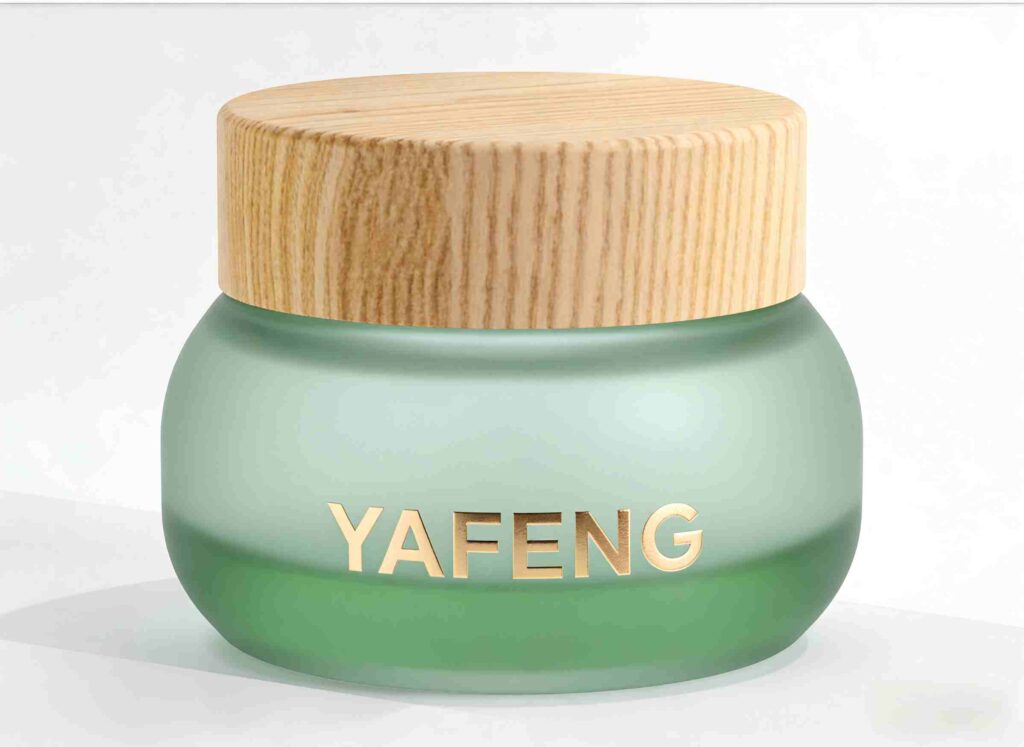
คุณภาพของการปั๊มร้อนไม่ได้ถูกกำหนดโดยฟอยล์เอง แต่โดยความสมบูรณ์ของกระบวนการทั้งหมด
การตั้งค่าอุณหภูมิและความดันบนเครื่องปั๊มไม่ได้กำหนดคุณภาพการถ่ายโอนทันทีเท่านั้น แต่ยังควบคุมความหนาแน่นของการบ่มของชั้นกาวโดยตรง ซึ่งควบคุมความทนทานในระยะยาวที่อุณหภูมิต่ำกว่า 180°C กาวจะไม่ทำงานอย่างเต็มที่ ทำให้เกิด “การยึดติดเย็น” ที่ดูเหมือนสมบูรณ์แต่มีความเปราะบางในโครงสร้าง เมื่ออุณหภูมิสูงกว่า 230°C ชั้นเม็ดสีในฟอยล์บางชนิดจะเริ่มเสื่อมสภาพจากความร้อน ทำให้เกิดผิวที่หมองหรือเหลือง.
อุณหภูมิ-ความดัน เทียบกับ ความต้านทานต่อแอลกอฮอล์ (แผ่นฟอยล์ชุบทองด้วยไฟฟ้า)
| อุณหภูมิ | ความดัน (เมกะปาสคาล) | ความเงาเริ่มต้น (GU) | การคงความเงาหลังการเช็ดด้วยแอลกอฮอล์ 50 ครั้ง |
|---|---|---|---|
| 170°C | 0.25 | 820 GU | 51% |
| 190°C | 0.35 | 890 GU | 74% |
| 210°C | 0.40 | 910 GU | 88% |
| 220°C | 0.45 | 875 GU | 85% |
| 235°C | 0.50 | 830 GU | 79% (เหลืองเล็กน้อย) |
ช่วงการทำงานที่เหมาะสมที่สุดคือ 205–215°C / 0.38–0.43 MPa, ซึ่งความหนาแน่นของการยึดติดจะสูงสุดพร้อมกับคุณภาพความเงาและความต้านทานต่อแอลกอฮอล์.
ฟอยล์ปั๊มร้อนที่มีจำหน่ายในท้องตลาดสามารถแบ่งออกเป็นสามระดับประสิทธิภาพตามความทนทานต่อตัวทำละลาย แบรนด์น้ำหอมมักมองข้ามพารามิเตอร์ทางเทคนิคข้อนี้ในระหว่างการจัดซื้อ โดยตัดสินใจเลือกจากราคาหรือความเงางามของผิวหน้าเพียงอย่างเดียว — ซึ่งเป็นการเลือกที่มักก่อให้เกิดปัญหาในกระบวนการผลิตถัดไป.
| ชนิดของฟอยล์ | การใช้งานทั่วไป | ความต้านทานต่อแอลกอฮอล์ | ต้นทุนสัมพัทธ์ |
|---|---|---|---|
| ฟอยล์ถ่ายเทความร้อนมาตรฐาน | หนังสือ, บรรจุภัณฑ์กระดาษ | ไม่ดี — ไม่เหมาะสำหรับน้ำหอม | 1× |
| ฟอยล์ปั๊มร้อนเกรดเครื่องสำอาง | ขวดผลิตภัณฑ์ดูแลผิว เครื่องสำอางสี | ปานกลาง — อดทนต่อการสัมผัสระยะสั้น | 1.5–2 เท่า |
| ฟอยล์เคลือบด้วยไฟฟ้าที่ทนต่อสารละลาย | น้ำหอม ขวดสุรา | ดี — ทนต่อการแช่ในน้ำระยะสั้น | 2.5–3 เท่า |
| ฟอยล์ถ่ายโอนเคลือบสารไวแสงยูวี-ซี | น้ำหอมระดับพรีเมียม, ความงามทางการแพทย์ | ยอดเยี่ยม — ผ่านการแช่แอลกอฮอล์ 24 ชั่วโมง | 3–4 เท่า |
| การเคลือบผิวด้วยสุญญากาศ PVD (ไม่ใช่การปั๊มร้อนแบบดั้งเดิม) | น้ำหอมระดับพรีเมียม สินค้าหรูหรา | ยอดเยี่ยม — ทนต่อสารละลายได้เกือบสมบูรณ์ | 6–10 เท่า |
การอัปเกรดไปใช้ฟอยล์ที่ทนต่อตัวทำละลายหรือฟอยล์ที่แห้งด้วยแสงยูวีเป็นวิธีตรงที่สุดในการปรับปรุงความเข้ากันได้กับแอลกอฮอล์โดยไม่ต้องปรับเปลี่ยนกระบวนการผลิตทั้งหมด.
แม้ว่าจะใช้ฟอยล์ที่ทนต่อตัวทำละลายแล้วก็ตาม แนวทางปฏิบัติที่ดีที่สุดในอุตสาหกรรมยังคงแนะนำอย่างยิ่งให้ใช้ เคลือบผิวด้วยรังสียูวี หลังจากการปั๊มร้อน การเคลือบ UV จะเกิดการเชื่อมโยงข้ามทันทีภายใต้แสงอัลตราไวโอเลต ก่อให้เกิดฟิล์มพอลิเมอร์ที่หนาแน่น ปราศจากรูพรุน มีความแข็งของดินสอระดับ 3H–4H ซึ่งสามารถแยกชั้นปั๊มออกจากตัวทำละลายภายนอกได้อย่างสมบูรณ์.
ผลกระทบของเคลือบผิว UV ต่อความต้านทานต่อแอลกอฮอล์:
| การรวมกระบวนการ | ผลลัพธ์หลังการเช็ดด้วยเอทานอลไร้น้ำ 100 ครั้ง | การเปลี่ยนแปลงการยึดเกาะหลังแช่แอลกอฮอล์ 24 ชั่วโมง |
|---|---|---|
| การปั๊มร้อนมาตรฐาน ไม่เคลือบผิวด้านบน | การลอกเลเยอร์อย่างรุนแรง (>50%) | ล้มเหลวโดยสิ้นเชิง |
| การปั๊มร้อนมาตรฐาน + เคลือบวานิช PU | การลอกตัวปานกลาง (20–35%) | การลดระดับอย่างมีนัยสำคัญ |
| การปั๊มร้อนมาตรฐาน + เคลือบ UV ด้านบน | การสูญเสียเล็กน้อย (3–8%) | คุณภาพลดลงเล็กน้อย เกือบผ่าน |
| ฟอยล์ทนต่อสารละลาย + เคลือบผิวด้านบนด้วยยูวี | ไม่มีนัยสำคัญ (<2%) | ไม่มีการเปลี่ยนแปลงที่สำคัญ |
| การเคลือบผิวด้วยเทคนิค PVD ในสุญญากาศ | ไม่มี (0%) | ไม่มีการเปลี่ยนแปลง |
เคลือบผิวด้วยยูวีมีประโยชน์เพิ่มเติม: มันทำให้ขอบเขตระหว่างพื้นที่ที่ปั๊มและพื้นที่ที่ไม่ปั๊มคมชัดขึ้น ซึ่งช่วยเพิ่มความชัดเจนของโลโก้และความประณีตโดยรวม — ผลข้างเคียงที่น่ายินดีสำหรับแบรนด์พรีเมียมทุกแบรนด์.
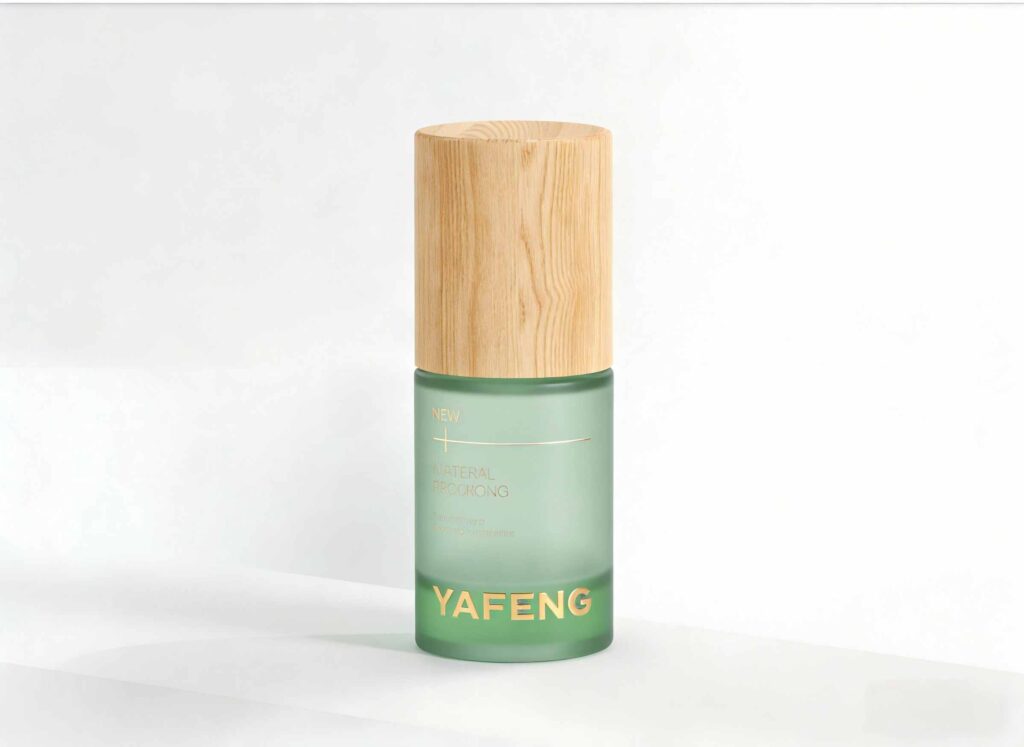
จากซ้ายไปขวา: การปั๊มร้อนมาตรฐาน, การปั๊มร้อนป้องกัน UV, การเคลือบสูญญากาศ PVD — สามโซลูชันที่มีประสิทธิภาพแตกต่างกันอย่างมีนัยสำคัญในสภาพแวดล้อมของน้ำหอม
การเปรียบเทียบแบบเต็มมิติในด้านความทนทาน, ค่าใช้จ่าย, ความเหมาะสมในการใช้งาน, และระยะเวลาการจัดส่ง:
| มิติ | การปั๊มร้อนมาตรฐาน | การปั๊มร้อนเคลือบสารด้วยรังสียูวี | การเคลือบผิวด้วยสุญญากาศ PVD |
|---|---|---|---|
| การทดสอบความต้านทานต่อแอลกอฮอล์ในน้ำหอม | ❌ โดยปกติแล้วล้มเหลว | ✅ บัตรผ่าน | ✅✅ ยอดเยี่ยม |
| ความต้านทานการสึกกร่อน | ปานกลาง | ดี | ยอดเยี่ยม |
| รายละเอียดโลโก้ที่แม่นยำ | ระดับกลาง | สูง | สูงมาก |
| ขนาดคุณลักษณะขั้นต่ำ | 0.3 มิลลิเมตร | 0.2 มิลลิเมตร | 0.1 มิลลิเมตร |
| ช่วงสี | ทองคำ เงิน โทนสีทั่วไป | ทองคำ เงิน โทนสีทั่วไป | ทองคำ เงิน ทองชมพู โลหะสีดำ เป็นต้น. |
| ความซับซ้อนในการออกแบบ ความสามารถในการรองรับ | ระดับกลาง | ปานกลาง-สูง | สูง |
| ประมาณการค่าใช้จ่ายเพิ่มเติมต่อขวด | $0.07–$0.20 | $0.20–$0.50 | $0.70–$2.00 |
| ผลกระทบของระยะเวลาดำเนินการ | ไม่มี (การไหลมาตรฐาน) | ขั้นต่ำสุด (เพิ่มขั้นตอนการบ่มด้วยรังสียูวี) | ยาวนานขึ้น (กระบวนการในห้องสุญญากาศแยกต่างหาก) |
| ระดับแบรนด์ที่แนะนำ | ตลาดมวลชน, สินค้าอุปโภคบริโภคที่หมุนเวียนเร็ว | น้ำหอมระดับกลางถึงพรีเมียมสำหรับตลาดทั่วไป | หรูหราและเหนือระดับ |
คำแนะนำในการเลือก:
เมื่อตัวอย่างมาถึง การประเมินอย่างเป็นระบบ — ไม่ใช่การตรวจสอบด้วยสายตาเพียงอย่างเดียว — เป็นสิ่งจำเป็น. ปฏิบัติตามลำดับขั้นตอน 6 ขั้นตอนนี้:
ขั้นตอนที่ 1: การตรวจสอบด้วยสายตา ภายใต้แสงมาตรฐาน D65 ที่ความสว่าง 1,000 ลักซ์ ให้ตรวจสอบบริเวณที่ประทับตราด้วยมุม 45° เพื่อหาขอบคม, บริเวณที่การถ่ายโอนไม่สมบูรณ์, สีไม่สม่ำเสมอ, หรือรอยหลุมที่สามารถมองเห็นได้ด้วยตาเปล่า.
ขั้นตอนที่ 2: การทดสอบการยึดเกาะแบบแห้ง ตามมาตรฐาน GB/T 9286 / ASTM D3359 ให้ทำรอยตัดเป็นตารางขนาด 10×10 ที่ระยะห่าง 1 มม. ด้วยใบมีดคม ติดเทป 3M 610 (หรือเทียบเท่า) แล้วดึงออกอย่างรวดเร็วที่มุม 90° เกณฑ์ผ่าน: ระดับ 0 (การลอกออก ≤5%).
ขั้นตอนที่ 3: การทดสอบความต้านทานต่อการเช็ดด้วยแอลกอฮอล์ ใช้สำลีก้านชุบเอทานอลไร้น้ำประมาณ 500 กรัม กดลงบนบริเวณที่ประทับตราแล้วถูไปมา 100 ครั้ง เกณฑ์การผ่าน: ไม่มีทองคำติดบนสำลี ไม่มีรอยสูญเสียบนพื้นผิวขวด.
ขั้นตอนที่ 4: การแช่ในแอลกอฮอล์ + การทดสอบการยึดติดเมื่อเปียก นำตัวอย่างไปแช่ในเอทานอล 75% ที่อุณหภูมิห้องเป็นเวลา 24 ชั่วโมง นำออกมา ปล่อยให้แห้งเองตามธรรมชาติ จากนั้นทำซ้ำขั้นตอนที่ 2 เกณฑ์การผ่าน: การกำจัด ≤15%.
ขั้นตอนที่ 5: การทดสอบการกันน้ำ นำตัวอย่างไปแช่ในน้ำที่อุณหภูมิ 70±2°C เป็นเวลา 30 นาที ตรวจสอบการเกิดฟองน้ำ การแยกชั้น หรือการเปลี่ยนสีหลังการนำออกมา.
ขั้นตอนที่ 6: การทดสอบความสมบูรณ์ของการปิดผนึก (ขวดน้ำหอม) ประกอบขวดเข้ากับฝาและปั๊ม ใส่น้ำสีที่มีความจุ 2/3 ของขวดและสร้างแรงดันลบ 0.08 MPa รอเป็นเวลา 5 นาที ผ่านเกณฑ์: ไม่มีการรั่วไหล.
เคล็ดลับการจัดซื้อ: ขอรายงานผลการทดสอบจากบุคคลที่สามสำหรับรายการข้างต้น หรือขอให้ซัพพลายเออร์ของคุณแบ่งปันข้อมูลการทดสอบภายในก่อนทำการสั่งซื้อ ซัพพลายเออร์ที่มีชื่อเสียงจะรักษาบันทึกการทดสอบตามปกติและสามารถตอบสนองต่อคำขอเช่นนี้ได้อย่างรวดเร็ว ซัพพลายเออร์ที่ไม่สามารถหรือไม่เต็มใจที่จะแบ่งปันข้อมูลนี้กำลังบอกคุณบางสิ่งที่สำคัญ.
กลับมาที่คำถามเดิม: การพิมพ์ร้อนบนขวดแก้วสามารถผ่านการทดสอบน้ำหอมได้หรือไม่?
คำตอบคือ: ขึ้นอยู่กับว่ากระบวนการทำงานสมบูรณ์หรือไม่.
การปั๊มร้อนแบบดั้งเดิมเพียงอย่างเดียวมีความเปราะบางและมีอายุการใช้งานสั้นเมื่อเทียบกับแอลกอฮอล์ในระดับน้ำหอม แต่เมื่อมีการเตรียมพื้นผิวด้วยไพรเมอร์ การเลือกใช้ฟอยล์ที่ทนต่อตัวทำละลาย การปรับค่าอุณหภูมิและความดันอย่างแม่นยำ และการเคลือบผิวด้วยยูวีที่ผ่านการบ่มแล้ว ประกอบกันเป็นกระบวนการที่สมบูรณ์และบูรณาการ การปั๊มร้อนสามารถทนต่อโปรโตคอลการทดสอบที่เข้มงวดที่สุดจากเจ้าของแบรนด์ได้ — มอบความสวยงามที่ทนทานและประณีตซึ่งเหมาะสมกับน้ำหอมระดับพรีเมียม.
สรุปผลการค้นพบหลัก:
ทุกขั้นตอนที่ถูกควบคุมอย่างแม่นยำในกระบวนการผลิตจะปรากฎให้เห็นในที่สุดในความประทับใจครั้งแรกของผู้บริโภคต่อขวดน้ำหอม ความประทับใจครั้งแรกนี้ไม่ใช่เรื่องเล็ก ๆ — สำหรับแบรนด์น้ำหอม มันมักจะเป็นทุกสิ่งทุกอย่าง.
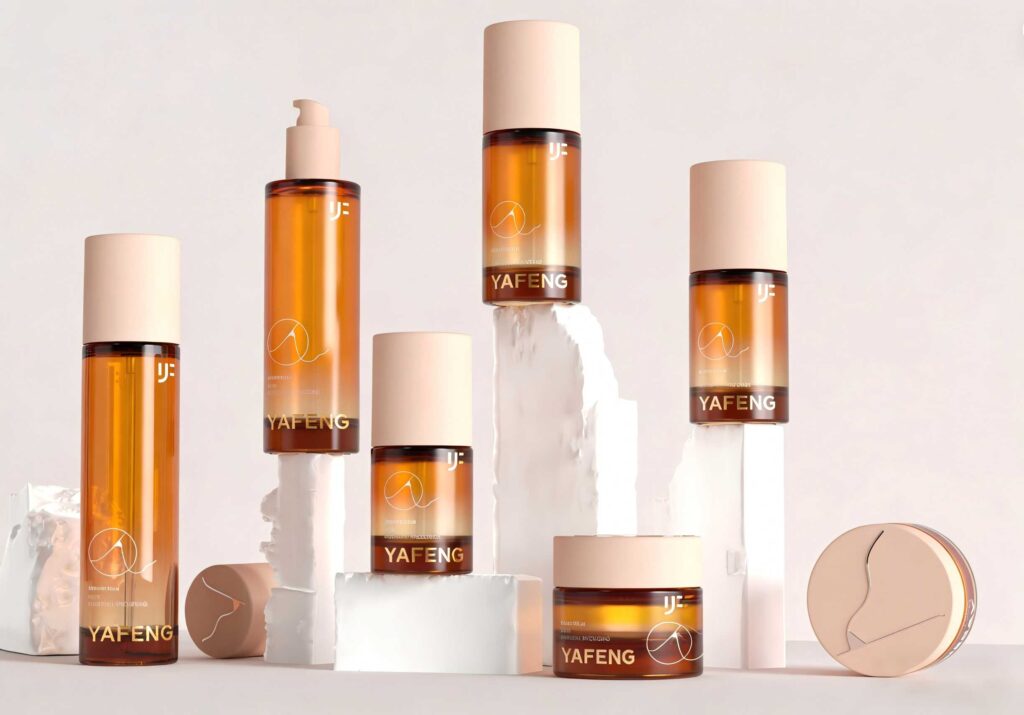
Yafeng Packaging ก่อตั้งขึ้นในปี 2004, และได้ใช้เวลากว่าสองทศวรรษในการเชี่ยวชาญเฉพาะด้านบรรจุภัณฑ์แก้วสั่งทำพิเศษสำหรับน้ำหอมและผลิตภัณฑ์ดูแลผิว เราไม่ได้ผลิตขวดสินค้าทั่วไปแบบทั่วไป ความมุ่งมั่นเพียงหนึ่งเดียวของเราในช่องทางนี้หมายความว่าทุกแง่มุมของกระบวนการในบทความนี้มาจากประสบการณ์โครงการจริง — จากหลายร้อยบรีฟ หลายพันตัวอย่าง และการปรับปรุงอย่างต่อเนื่องที่เกิดจากการทำงานที่จุดตัดระหว่างความทะเยอทะยานด้านสุนทรียภาพและวินัยทางเทคนิค.
ตลอดระยะเวลา 20 ปีที่ผ่านมา ยาเฟิงได้ทำหน้าที่เป็นคู่ค้าการผลิต OEM ให้กับแบรนด์น้ำหอมและผลิตภัณฑ์ดูแลผิวที่มีชื่อเสียงทั้งในประเทศและต่างประเทศมากมาย โดยมีลูกค้าครอบคลุมทั่วทวีปยุโรป, ทวีปอเมริกาเหนือ, และเอเชียตะวันออกเฉียงใต้ สาเหตุที่แบรนด์ต่างๆ เลือก — และยังคงเลือก — ยาเฟิงนั้นง่ายมาก:
หากคุณกำลังพัฒนาผลิตภัณฑ์น้ำหอมหรือผลิตภัณฑ์ดูแลผิวใหม่ และมีข้อกำหนดที่ชัดเจนเกี่ยวกับคุณภาพบรรจุภัณฑ์และมาตรฐานกระบวนการผลิต เรายินดีรับฟังข้อสอบถามของคุณ ทีมงานของเราจะตรวจสอบรายละเอียดและตอบกลับพร้อมคำแนะนำกระบวนการเฉพาะและใบเสนอราคาตัวอย่าง. ยี่สิบปีแห่งความมุ่งมั่น คุณภาพที่พิสูจน์ได้ด้วยตัวเอง.
แหล่งข้อมูล: บันทึกการทดสอบในห้องปฏิบัติการภายในของ Yafeng Packaging; มาตรฐานอุตสาหกรรมเบาแห่งสาธารณรัฐประชาชนจีน QB/T — ขวดแก้วเครื่องสำอาง (ฉบับร่างเพื่อขอความคิดเห็น); มาตรฐาน GB/T 9286 การทดสอบการยึดเกาะแบบตัดขวาง การทำซ้ำต้องมีการอ้างอิงแหล่งที่มา.
สำรวจการควบคุมคุณภาพในการผลิตขวดแก้วเครื่องสำอาง เรียนรู้เกี่ยวกับวัตถุดิบ การทดสอบ การตรวจสอบ และมาตรฐานสำหรับบรรจุภัณฑ์คุณภาพสูง.
ค้นพบข้อดีและข้อเสียของบรรจุภัณฑ์แก้วและพลาสติก ตัดสินใจอย่างมีข้อมูลเพื่อความยั่งยืน ต้นทุน และภาพลักษณ์แบรนด์ในผลิตภัณฑ์ดูแลผิวและอื่นๆ.
ค้นพบกระบวนการเคลือบสเปรย์สำหรับบรรจุภัณฑ์แก้วเครื่องสำอาง รวมถึงเทคนิค ข้อดี และเคล็ดลับในการเพิ่มความน่าดึงดูดของผลิตภัณฑ์และมูลค่าแบรนด์.
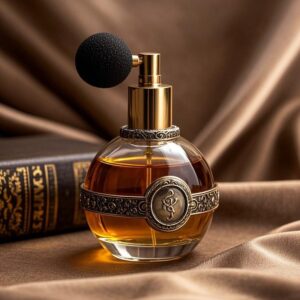
สำรวจเทรนด์การออกแบบบรรจุภัณฑ์เครื่องสำอาง วัสดุที่นวัตกรรม และโซลูชันที่ยั่งยืนเพื่อยกระดับแบรนด์สกินแคร์ของคุณ. ปรับกลยุทธ์บรรจุภัณฑ์ของคุณให้พร้อมสำหรับอนาคต!
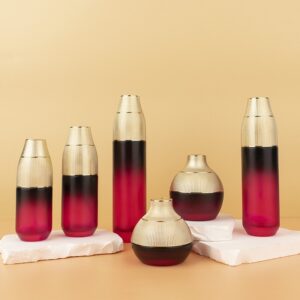
ค้นพบความหรูหราและความยั่งยืนของบรรจุภัณฑ์แก้วสำหรับเครื่องสำอาง! เรียนรู้วิธีที่ขวดแก้วช่วยปกป้องผลิตภัณฑ์ดูแลผิวและสอดคล้องกับแนวทางที่เป็นมิตรต่อสิ่งแวดล้อม.
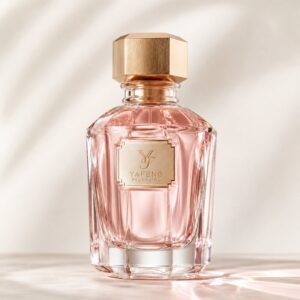
การเดินชมภายในโรงงานโดยผู้เชี่ยวชาญ เพื่อดูกระบวนการผลิตขวดน้ำหอมแก้วตั้งแต่ขั้นตอนวัตถุดิบ การหลอมที่อุณหภูมิ 1,500 องศาเซลเซียส การขึ้นรูป การอบอ่อน การตกแต่ง การตรวจสอบคุณภาพ ไปจนถึงการบรรจุ.
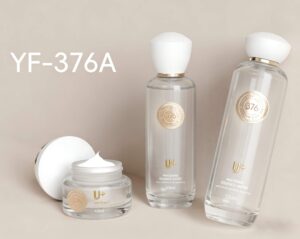
ทำไมขวดน้ำหอมที่ปั๊มร้อนส่วนใหญ่จึงไม่ผ่านการทดสอบแอลกอฮอล์ — และวิธีแก้ปัญหาด้วยเทคนิคการปั๊มร้อนด้วยแสง UV และการเคลือบสูญญากาศ PVD คู่มือวัสดุสำหรับแบรนด์น้ำหอม.
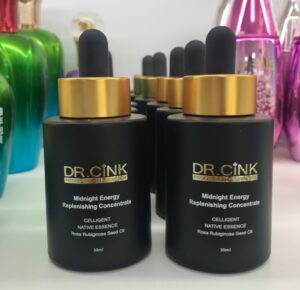
สำรวจการพิมพ์สกรีนและการพิมพ์ร้อนสำหรับขวดแก้วเครื่องสำอาง รวมถึงกระบวนการ ข้อบกพร่อง การเปรียบเทียบต้นทุน และเคล็ดลับในการเลือกผู้ผลิตที่เชื่อถือได้.
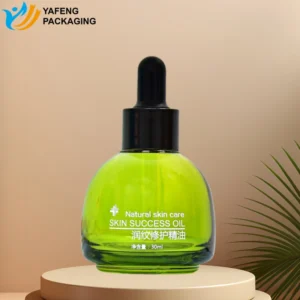
ค้นพบว่าการเคลือบสเปรย์ช่วยเพิ่มประสิทธิภาพในการดูแลผิวและบรรจุภัณฑ์น้ำหอมได้อย่างไร ด้วยการปรับปรุงรูปลักษณ์ อัตลักษณ์ของแบรนด์ ความทนทาน และความปลอดภัย ด้วยเทคโนโลยีขั้นสูง.
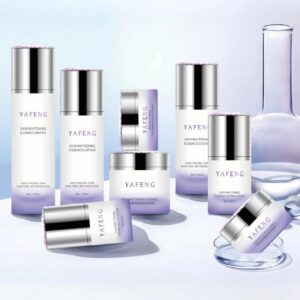
สำรวจขวดแบบสั่งทำพิเศษกับขวดมาตรฐานสำหรับบรรจุภัณฑ์สกินแคร์ เรียนรู้วิธีที่โซลูชันของ Yafeng ช่วยเสริมสร้างเอกลักษณ์แบรนด์ คุณภาพ และประสิทธิภาพในคู่มือฉบับสมบูรณ์นี้.
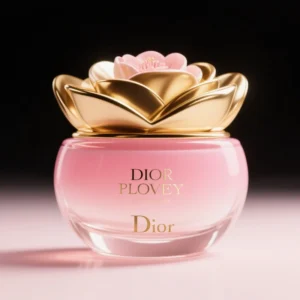
ค้นพบวิธีที่สเปรย์สีไล่เฉดสามารถเปลี่ยนขวดแก้วเครื่องสำอางให้โดดเด่น เสริมภาพลักษณ์แบรนด์ และเพิ่มความน่าสนใจของผลิตภัณฑ์ ด้วยข้อมูลเชิงลึกจากผู้เชี่ยวชาญของ Yafeng Packaging.