News & Blog
Great things in business are never done by one person. They’re done by a team of people. We have that dynamic group of peoples

The appearance and texture of cosmetic glass bottles directly determine a product’s competitiveness on the retail shelf. Screen printing and hot stamping, as core post-processing techniques, are key methods for imbuing glass bottles with brand identity and enhancing their premium feel. Based on our nearly 20 years of experience in customizing skincare glass bottles, this article breaks down the principles and processes of these two techniques, delves into the causes and practical solutions to common production problems, compares process characteristics using actual test data, provides implementation suggestions, and shares the selection logic of reliable manufacturers, offering brands directly referential process solutions.
Screen printing, also known as screen printing, is the most commonly used post-processing technique for cosmetic glass bottles, bar none. Its biggest advantage is its ability to print clear and embossed patterns and text on irregularly shaped bottles, including round, square, and irregularly shaped ones, making it highly adaptable. The specific process involves using a polyester mesh or wire mesh as a screen, and a screen printing film as a template. After exposure and development, a cutout area matching the design is formed on the screen. Then, a squeegee is used to press the ink through the cutouts onto the bottle, creating a 3D printing effect. In actual production, we found that the screen tension and the thickness of the photosensitive emulsion directly affect the precision of the image.
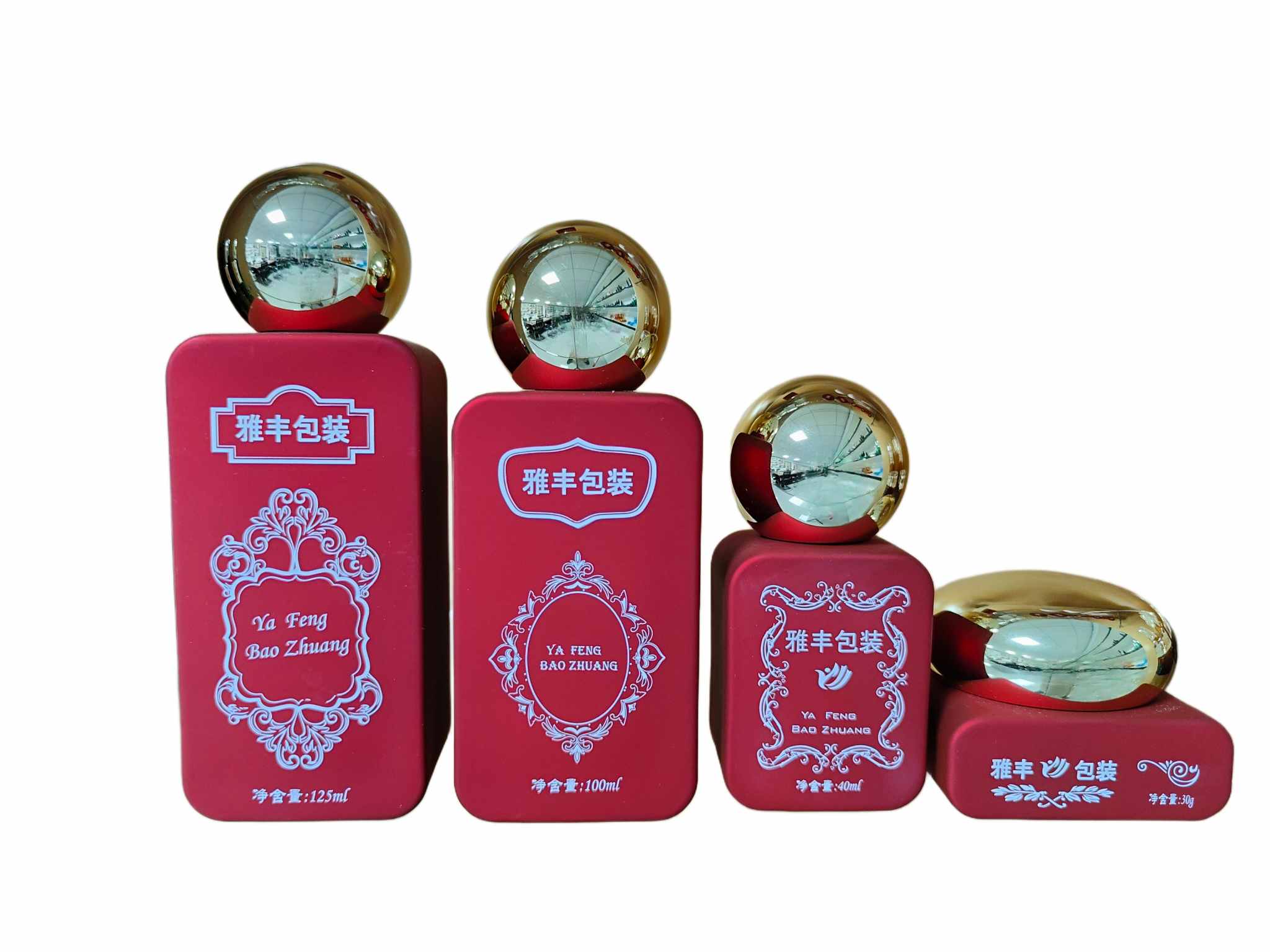 The entire process consists of seven steps, and each step must be handled meticulously to avoid quality issues. The first step is screen printing. Selecting the screen, stretching it, and applying the photosensitive emulsion all require careful attention. The screen tension is generally controlled at 20-25 N/cm², and the photosensitive emulsion must be applied evenly to prevent subsequent pattern distortion. The second step is film lamination and exposure. Precise pattern positioning is crucial, and the exposure time should be between 8-12 seconds. Too short a time will result in incomplete development, while too long will cause stiff edges. The third step is development and rinsing, which removes unexposed photosensitive emulsion, creating a stencil pattern. After rinsing, the screen must be dried. The fourth step is glass bottle pretreatment. Cleaning and surface activation are both essential; otherwise, the ink will not adhere properly. The fifth step is screen printing. The squeegee angle should be adjusted to 30-45°, and the printing speed should be steady. The sixth step is preliminary drying, which can be done naturally or with low-temperature pre-baking to prevent the ink from becoming sticky. The seventh step is curing. Baking at 120-150℃ for 20-30 minutes is crucial. Insufficient temperature can cause the ink to peel off, while excessive time may affect the bottle’s gloss.
Burs are the most troublesome problem in screen printing. The edges of fonts and patterns are covered in burrs and roughness, sometimes even jagged, which is not only unsightly but can also make the brand logo illegible in severe cases. Our analysis of production data from the past three years shows that ambient temperature and humidity account for up to 40% of the burr issue, making it the most critical control factor. In actual production, when the workshop temperature is below 23℃, the ink thickens and loses its fluidity, leaving ink buildup at the edges after the squeegee passes over it; above 28℃, the ink dries too quickly, solidifying before fully penetrating the screen, making it prone to roughening when squeegeed. The same applies to humidity. Below 50%, the glass surface has static electricity, attracting dust particles and resulting in small burrs on the printed edges; above 60%, the ink dries slowly, easily causing smudging and burrs, especially noticeable when printing fine lines.
The key to solving burrs is to strictly control temperature and humidity. Our workshop uses constant temperature and humidity equipment that can stabilize the temperature at 23-28℃ and maintain humidity at 50%-60%, with an error controlled within ±1℃ and ±5%, respectively. This is the most basic guarantee. Combined with a few auxiliary methods, the results are very consistent: Flame treatment of the glass before screen printing—the instantaneous high temperature of 300-400℃—reduces the surface tension of the glass, allowing the ink to adhere better and significantly reducing burrs; if the ink is too thick, add 3%-5% filler to adjust to the appropriate viscosity, avoiding ink residue from the scraper; don’t overdo the squeegee printing speed, reducing it from the usual 8-10cm/s to 5-6cm/s, and have the operator keep a steady hand for more even ink penetration and naturally smooth edges. Additionally, wiping the bottle surface with alcohol can also reduce burrs caused by impurities.
Ink adhesion is also a common problem. Excess ink and oil stains are often found around screen-printed patterns. Investigations reveal that most are related to personnel operation, placement methods, and screen condition. This type of problem accounts for about 35% of screen printing quality issues. We have encountered numerous cases where operators handle bottles with bare hands or wearing dirty gloves, leaving grease and dust on the bottle surface, resulting in oil stains after printing. Other issues include bottles being placed too close together, causing ink to smudge and transfer to other bottles when they are pushed into the oven before the ink has dried; a small hole in the bottom of the screen causing ink to leak and appear as excess ink dots next to the pattern; and residual ink on the clamps causing contamination when clamping bottles.
To address these causes, we have summarized a three-dimensional prevention and control method involving “personnel + placement + screen,” which has proven highly effective in practice. Regarding personnel, disposable dust-free gloves must be worn at all times and changed every 2 hours. Touching the bottles with bare hands is strictly prohibited. Before operation, the bottles must be wiped with alcohol to remove oil and dust. For placement, the original bottle spacing of 2-3cm made them prone to collisions; this was later adjusted to 5-6cm, and a special pad with dividers was used. When pushing the plate into the oven, handle it gently to reduce bottle collisions and ink friction. Screen maintenance is also crucial; minor damage is repaired with blue sealing glue, while severe damage requires immediate replacement. Before each printing, wipe the bottom of the screen with thinner to remove residual ink and prevent leakage at the source.
Hot stamping, also known as heat transfer printing, is a magic weapon for enhancing the texture of high-end cosmetic bottles. The printed logo has a metallic luster, making it instantly distinguishable from ordinary bottles. Its core logic is simple: before the low-temperature screen printing ink is completely dry, the hot stamping foil is applied to the area to be printed. The hot stamping machine applies pressure of 0.3-0.5 MPa while heating to around 200℃. Using a template for positioning, the metal or pigment layer of the hot stamping foil separates from the adhesive, precisely transferring it to the bottle body. This overlaps with the underlying screen printing ink, creating a three-dimensional effect and a metallic texture. When manufacturing for major brands, we found that the temperature and pressure of hot stamping are crucial; even a slight difference can result in poor adhesion and insufficient gloss.
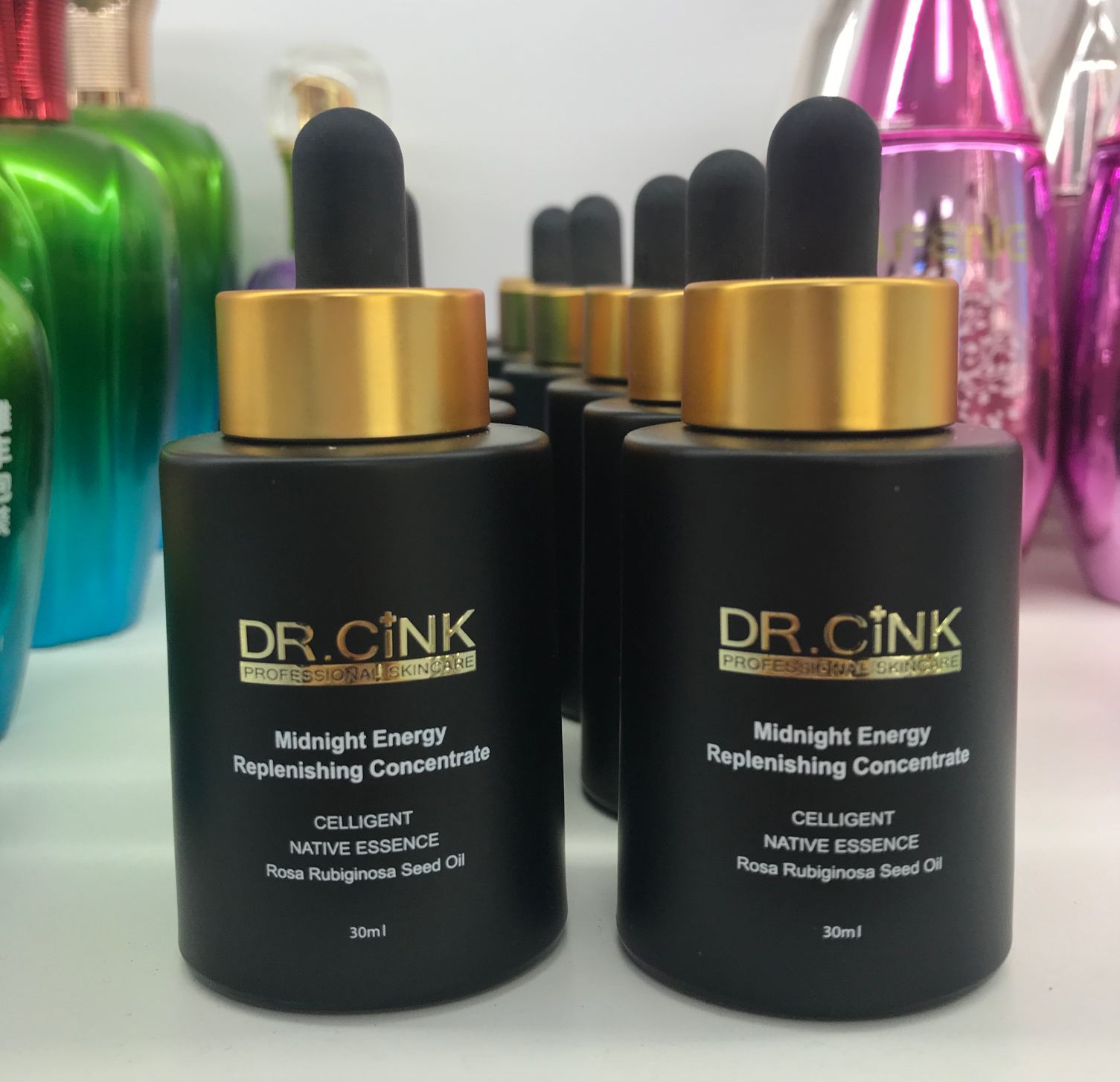
Hot stamping is mainly used on high-end skincare and makeup bottles, such as cream jars, serum jars, and foundation jars. Gold and silver are the most popular colors, accounting for over 80%, classic and sophisticated, suitable for most brand styles. Some clients also request colored hot stamping such as red, blue, and green. We provide ready-made color options, but due to the limitations of the hot stamping foil raw materials, we cannot personalize the colors like screen printing; we can only choose from existing color families. For major brands, even a small area of gold-stamped logo can significantly enhance the visual impact of a product, making it highly visible on shelves. This is why many high-end brands are committed to gold-stamping.
Font defects are a frequent problem in gold-stamping. Missing strokes, gaps, or broken lines in the logo mean it must be scrapped, directly impacting the batch pass rate. Our analysis of numerous defective products revealed that the main issues stem from the cleanliness of the glass surface and the condition of the screen printing plate, accounting for 50% and 30% respectively. Watermarks, oil stains, fingerprints, or dust particles on the bottle can obstruct the adhesion between the gold foil and ink, leading to missed areas during transfer and resulting in defects. Dust or debris adhering to the bottom of the screen printing plate can cause gaps in the design during screen printing, resulting in incomplete finishes after gold-stamping. An unevenly placed screen printing plate or uneven ink application by the squeegee can also cause broken lines after gold-stamping, especially noticeable in logos with fine strokes.
Solving this problem requires focusing on cleanliness and screen printing plate calibration. We have established a three-tiered cleaning process to reduce contamination at its source: First, operators wear clean gloves and wipe the bottles with dry cotton cloths to remove surface dust. Second, an electrostatic dust collector is installed on the printing head to remove dust from the bottles before screen printing, eliminating even the finest dust with a dust removal efficiency of over 99%. Third, during screen printing, the bottles are checked after every 10 bottles to ensure no dirt adheres. On the screen side, the bottom of the screen is wiped with a dry cloth every 30 minutes to remove dust and debris; at the same time, the screen position is checked, and any loose screws are inspected and the screen is leveled if necessary. When technicians change products and install the machine, they must use a level to ensure even contact between the squeegee, screen, and bottle, resulting in a complete screen-printed pattern and preventing defects in hot stamping.
Gold blasting is a fatal problem in hot stamping. Irregular cracks appear on the finished surface, making it look broken, affecting not only aesthetics but also causing the metal layer to peel off. Once it occurs, it’s basically irreparable, requiring the entire bottle to be scrapped. Although its occurrence rate is only about 5%, it significantly impacts batch pass rates. We’ve previously encountered rework due to gold blasting, resulting in considerable losses. After repeated investigations by the technical department, the root cause was found to be in the ink—either there were air bubbles in the ink, or the ink wasn’t fully reacted before hot stamping and baking, generating gas during curing that cracked the hot stamping layer.
After identifying the cause, we optimized a two-step process, reducing the gold blasting rate to below 0.5%. The first step is ink pretreatment: adding 5% of a special defoamer to the screen printing ink, stirring thoroughly, and letting it stand for 15-20 minutes to allow the ink to fully react and release all internal air bubbles, preventing them from remaining inside. The second step is to adjust the post-foil hot stamping process. After hot stamping, don’t rush to bake the bottle. Let it rest naturally for 24 hours to allow the organic gases in the ink to slowly evaporate. Only after the gases have dissipated should it be placed in the oven for high-temperature curing. This prevents the hot stamping layer from cracking due to gas expansion. These two steps are simple, but the effect is immediate. Currently, the high-end bottles we manufacture rarely experience gold foil cracking.
Screen printing and hot stamping each have their advantages and disadvantages. When choosing, brands should consider their product positioning, design needs, and cost budget. They can also combine the two, for example, screen printing as a base and hot stamping for the logo, which will create a stronger sense of depth. The table below is a comparison of core advantages, costs, and yield rates based on our years of OEM experience. Brands can refer to this directly without having to experiment and make mistakes.
| Comparison Dimensions | Screen Printing | Hot Stamping |
|---|---|---|
| Core Advantages | Clear and three-dimensional design, adaptable to multi-color printing and irregularly shaped bottles | Prominent metallic texture enhances high-end appeal; excellent wear and scratch resistance |
| Color Compatibility | Freely adjustable colors, supports full-color printing, color reproduction over 85% | Primarily gold and silver, limited color options, no personalized color matching |
| Unit Cost (per bottle) | 0.3-0.8 RMB, fluctuating based on design complexity and number of colors | 0.5-1.5 RMB, fluctuating based on hot stamping area and foil material |
| Production Qualification Rate | Over 98.5% under standardized operation, main losses are rough edges and oil adhesion | Over 99% under standardized operation, main losses are gold bursting and font defects |
| Suitable Product Positioning | Mid-to-high-end skincare and makeup, suitable for large-capacity bottles and complex designs | High-end and luxury skincare, suitable for small-area logo and trademark printing |
| Processing Cycle | Short, mass production cycle 3-5 days, slightly longer cycle with more colors | Relatively long, 5-7 days for mass production, requiring pre-ordered hot stamping foil |
Having been an OEM manufacturer of cosmetic glass bottles for many years, our deepest understanding is that the quality stability of screen printing and hot stamping processes directly affects brand reputation. Both processes are precision operations; even a 5° difference in the scraper angle or a 10°C difference in the hot stamping temperature can lead to quality problems. Therefore, for manufacturers, establishing a complete standardized process flow, managing equipment, operation, and testing across all stages, is crucial to improving the pass rate and reducing waste. This is the core reason why we have been able to consistently provide OEM services for major brands.
Our standardized process consists of three main parts, all summarized from actual production experience, and is highly practical. The first aspect is equipment standardization. Screen printing machines, hot stamping machines, and temperature and humidity control equipment undergo monthly precision testing. Key parameters such as squeegee pressure, hot stamping temperature, and exposure time must be precisely controllable without deviation. The second aspect is operational standardization. Each position has detailed Standard Operating Procedures (SOPs). New employees must undergo pre-job training and pass an assessment before starting work. Experienced employees also regularly review their skills and optimize operational details. The third aspect is standardized inspection, implementing a three-tiered quality control system: the first three pieces of each batch undergo initial inspection to confirm parameters are correct before mass production; 10 pieces are randomly inspected every hour during production to promptly identify problems; and all finished products undergo full inspection. Defective products are traced back to their source for analysis, and process parameters are adjusted, forming a closed-loop management system. Through this process, we control the overall loss rate of the two major processes to within 2%, ensuring consistent quality across mass production.
Good craftsmanship relies on reliable manufacturers. Yafeng Packaging has been deeply rooted in the field of skincare glass bottle customization since 2004. For nearly 20 years, we have focused on post-processing of glass bottles, especially screen printing and hot stamping, and have formed our own core technological advantages. Over the years, we have provided OEM services for many international brands and leading domestic cosmetic brands, covering all categories including face cream bottles, serum bottles, ampoules, and makeup bottles. We have served more than 500 brands in total. Our success in gaining recognition from major brands is due to our stable quality and attentive service. Many brands repeat purchases after our cooperation because we can accurately meet their process requirements and maintain a high standard of quality.
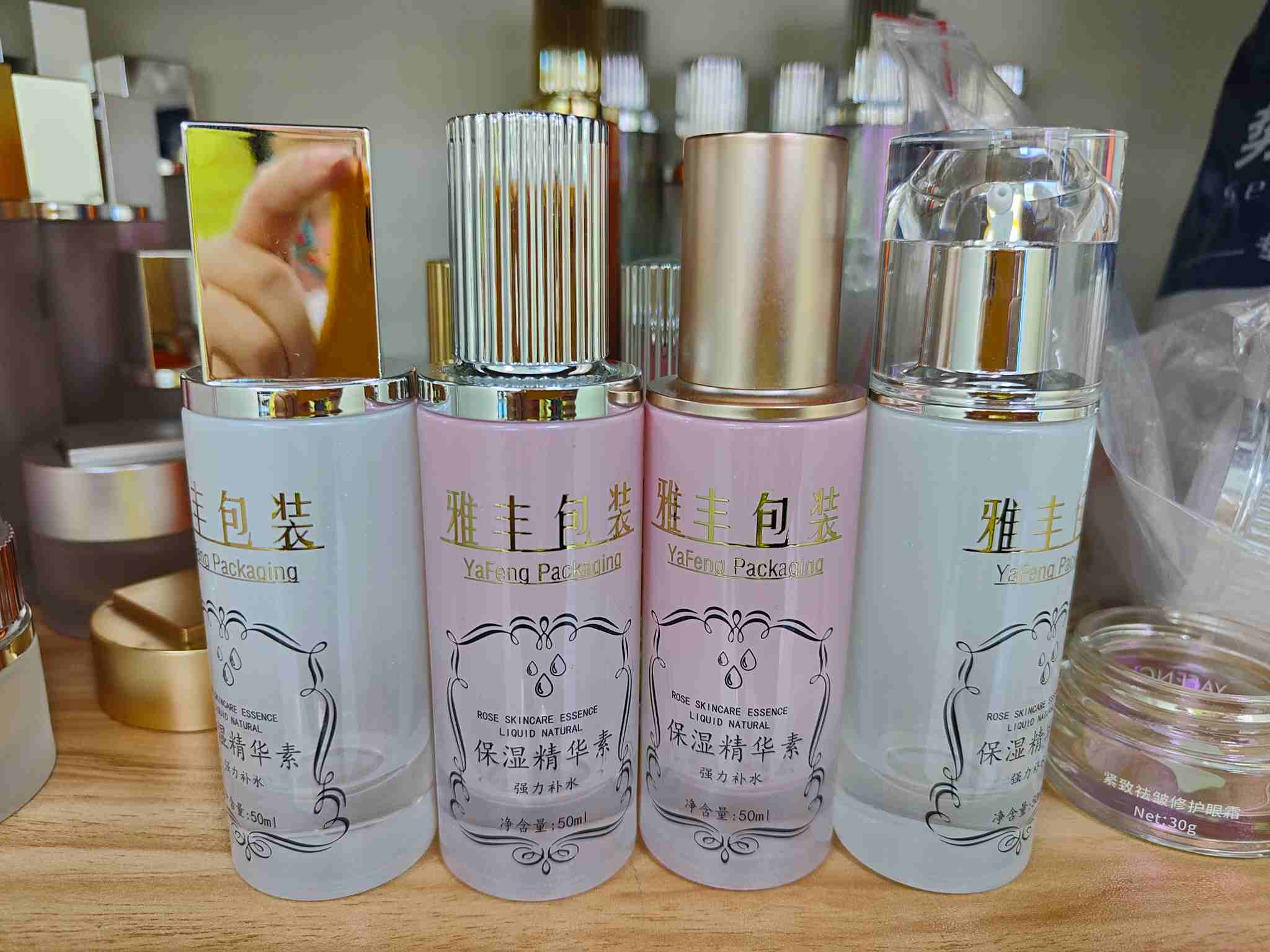
We have invested heavily in quality control, establishing a standardized production system throughout the entire process. Our workshops are equipped with constant temperature and humidity equipment, high-precision screen printing and hot stamping machines, and comprehensive quality inspection equipment. Each process is overseen by dedicated personnel. Addressing common industry issues like rough edges in screen printing and gold foil flaking in hot stamping, our R&D team has repeatedly debugged and optimized solutions, achieving a stable product qualification rate of over 99.2%, far exceeding the industry average. In terms of service, we offer one-stop customization, providing full support from design and sampling, process selection, to mass production and logistics. We optimize process solutions based on the brand’s product positioning and budget, ensuring both aesthetics and practicality, while strictly controlling delivery cycles to prevent delays in brand launches.
In summary, screen printing and hot stamping are two core processes for enhancing the quality of cosmetic glass bottles: screen printing excels in clear patterns and strong three-dimensionality, adapting to multi-color and irregularly shaped bottles. Key aspects include controlling temperature and humidity, optimizing placement, and maintaining the screen to avoid rough edges and ink blemishes; hot stamping emphasizes a high-end metallic texture, suitable for small-area logo printing, focusing on surface cleaning and ink pretreatment to solve issues like font defects and gold foil flaking. Standardized processes are key to maintaining consistent quality in mass production. Choosing a manufacturer with strong technical expertise and excellent service is crucial to translating technological advantages into product competitiveness.
For cosmetic brands, selecting the right processes based on product positioning, or combining screen printing and hot stamping, can make products stand out on the shelf. Yafeng Packaging has been deeply involved in the industry for nearly 20 years, encountering various technological challenges and accumulating rich OEM experience. With mature technology, strict quality control, and one-stop service, we have become a trusted partner of many major brands. If brands have custom glass bottle needs for skincare products, we can provide reliable support for everything from screen printing and hot stamping to end-to-end quality control, helping products achieve a high-end.
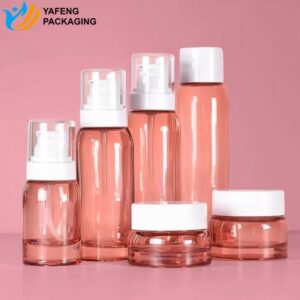
Explore 11 cosmetic packaging surface treatments to enhance aesthetics, durability & branding. Learn their pros, cons & applications to choose the best option.
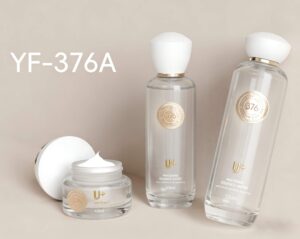
Why most hot-stamped perfume bottles fail alcohol tests — and how UV hot stamping and PVD vacuum coating solve it. Material guide for fragrance brands.
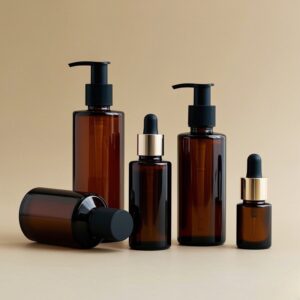
Glass bottles are the best for hair oil storage due to their non-reactivity, UV protection, and ability to preserve quality, ensuring longer shelf life and better efficacy.
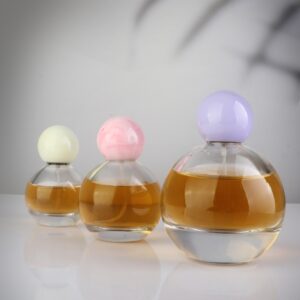
Unlock the secrets of wholesale perfume & bottles! Find your perfect scent, explore custom bottle designs, and source from top suppliers in this ultimate guide.
Discover the differences between sandblasting, frosting, and matte spray coating for cosmetic glass bottles. Learn their applications, costs, and which suits your brand best.
A factory-insider walkthrough of how glass perfume bottles are made — from raw materials and 1500°C melting to molding, annealing, decoration, QC, and packing.
Why most hot-stamped perfume bottles fail alcohol tests — and how UV hot stamping and PVD vacuum coating solve it. Material guide for fragrance brands.
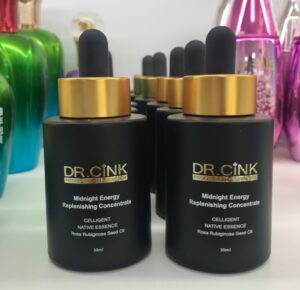
Explore screen printing and hot stamping for cosmetic glass bottles, including processes, defects, cost comparison, and tips for choosing reliable manufacturers.
Discover how spray coating enhances skincare and perfume packaging by improving appearance, brand identity, durability, and safety with advanced technology.
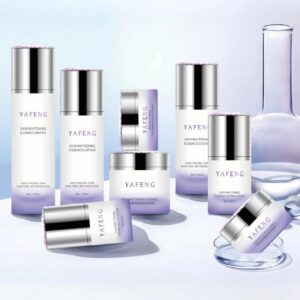
Explore custom vs. stock bottles for skincare packaging. Learn how Yafeng’s solutions boost brand identity, quality, and efficiency in this in-depth guide.
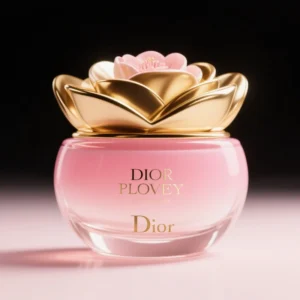
Discover how gradient color spray transforms cosmetic glass bottles, enhances brand image, and boosts product appeal with expert insights from Yafeng Packaging.