News & Blog
Great things in business are never done by one person. They’re done by a team of people. We have that dynamic group of peoples

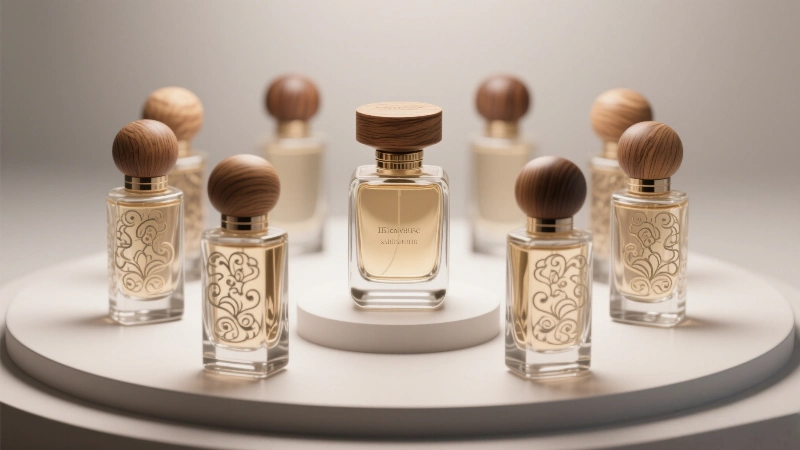
Wooden perfume caps bring natural grain, color and texture to fragrance packaging. Choosing a suitable material involves more than appearance: the cap design, finish, inner insert and fit with the bottle assembly all need to be considered.
This guide compares ten material options and explains what to check before requesting samples or quotations. It focuses on practical selection criteria rather than treating a wood name or raw timber price as a guarantee of finished-cap quality.
Use the comparison below to shortlist materials, then confirm the exact species, construction and finish with your packaging supplier.
| Wood name | Main characteristics | Advantages | Disadvantages | Price range (USD/m³) | Applicable brand positioning |
|---|---|---|---|---|---|
| Ash wood | Air-dry density is about 0.6 – 0.72g/cm³, high density, high strength and hardness, wild and clear texture, tactile, no odor | High bearing capacity, not easy to deform; beautiful and unique texture; wide range of applications | Price is relatively expensive | 580 – 860 | Mid-to-high-end |
| Beech wood | Air-dry density is about 0.7 – 0.8g/cm³, clear texture, uniform texture, soft color, heavy and solid material, good impact resistance | Strong stability, fine and delicate texture | Domestic logging is prohibited, relying on imports, high price | 750 – 1000 | Niche high-end |
| Oak | Air-dry density is about 0.6 – 0.75g/cm³, the cross-section has a distinct mountain-shaped wood grain, solid texture, good toughness, and easy processing | Beautiful and natural texture, can be processed into a variety of shapes, unique texture | Expensive price, niche application | 650 – 950 | Mid-to-high-end pursuing niche style |
| Walnut | The sapwood is milky white, the heartwood is rich in color, with obvious color difference, fine texture, mostly dark colors | The wood materials are obviously differentiated, highlighting the uniqueness and high-end quality of the products | Expensive | 1200 – 1750 | High-end |
| Rosewood | Air-dry density 0.82 – 0.94g/cm³, reddish brown heartwood, dense and hard material, resistant to immersion and wear, long-lasting fragrance, exquisite patterns | Excellent quality, improving product grade and value | Long growth cycle, extremely high price | Over 2200 | Top luxury |
| Rubberwood | Air-dry density about 0.6 – 0.68g/cm³, elegant color, beautiful texture, small shrinkage, good machining and finishing performance | Low price, good processing performance | The material is light and soft, easy to change color, be eaten by insects, decay, and deform | 300 – 500 | Low-end |
| Lotus wood | Air-dry density is about 0.6 – 0.73g/cm³, the material is hard, light gray, the texture is straight, durable, corrosion-resistant, and wear-resistant | Cheap price, strong practicality | The material and appearance are ordinary, and it is difficult to meet high-end needs | 250 – 350 | Low-end |
| Maple wood | Air-dry density is about 0.55 – 0.65g/cm³, the texture is beautiful, and the texture is uniform | Moderate price, suitable for light-colored design | Currently there are few brands | 450 – 650 | Brands that pursue light-colored styles |
| Bamboo wood | High humidity, not easy to mold in dry environment, easy to mold if humidity exceeds 20%, easy to breed insects if not treated | Natural and environmentally friendly, low price | Requires special anti-mold treatment, high processing requirements | 280 – 450 | Brands that pursue natural style and pay attention to cost |
| Pine wood | Air-dried density is about 0.4 – 0.5g/cm³, natural texture, soft material | Affordable price, obvious natural style | Soft texture, poor durability and appearance | 180 – 280 | Brands that pursue simple and natural style and have limited budget |
Ash wood occupies an important position in the field of wooden perfume caps. Its high density gives it excellent strength and hardness, and it can withstand greater pressure and is not easy to deform. According to professional testing, the air-dry density of ash wood is about 0.6 – 0.72g/cm³, which is far higher than many ordinary woods. Its unique texture is wild and clear, and you can clearly feel the ups and downs of the grain by touching it with your hands. This natural touch adds a different texture to the perfume cap. At the same time, the odorless nature of ash wood makes it popular in many fields, especially in the children’s furniture market, where its safety and environmental protection properties are highly recognized. In the application of perfume caps, ash wood usually presents a light color. Common treatment methods include spraying varnish to retain the original wood color, or using color-correcting paint to achieve a dark effect, which meets the design needs of different brands. However, as a mid-to-high-end wood, the price of ash wood is relatively high, with a price of about $580-860 per cubic meter, which also makes the brands that choose ash wood perfume caps often position the mid-to-high-end market.
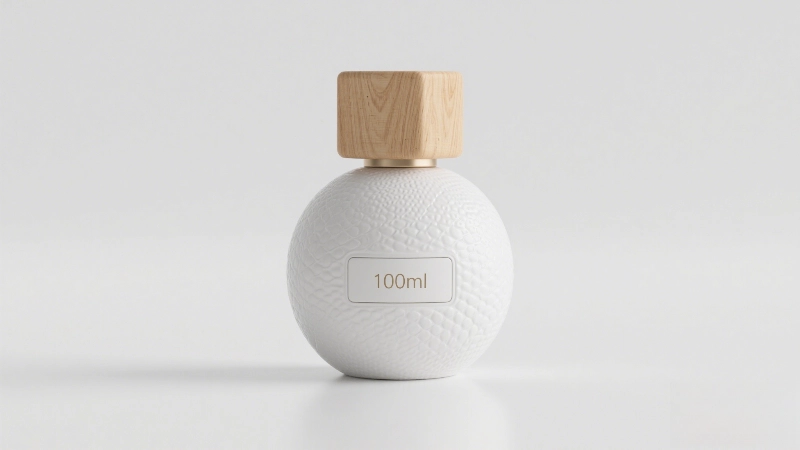
Beech wood has clear texture, uniform texture, soft color, heavy and solid material, and excellent impact resistance. Its air-dry density is about 0.7-0.8g/cm³, which makes beech wood outstanding in stability. However, since beech has been listed as a national second-level protected tree, logging is prohibited in China. Currently, beech on the market mainly relies on imports, which also leads to its high price, about $750-1000 per cubic meter. The texture of beech is delicate, and there is no obvious texture when touched. This exquisite feeling makes it show unique charm in the application of products such as aromatherapy covers. However, the restrictions on import channels and high costs make beech perfume covers more suitable for niche high-end brands that pursue quality and uniqueness.
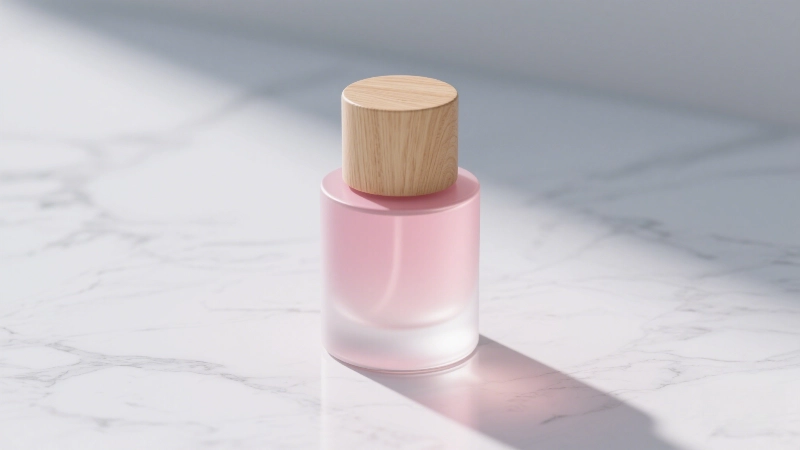
The oak section has a distinct mountain-shaped wood grain, beautiful and natural texture, and is very ornamental. In terms of performance, oak has a solid texture and good toughness. It is easy to process and can be made into various curved shapes according to design requirements, bringing a unique design to the perfume cover. Its coarse texture and coarse pores give the wood a unique texture. The air-dry density of oak is about 0.6-0.75g/cm³, and the price is relatively expensive, about $650-950 per cubic meter. Although it is a niche choice in the application of perfume bottle caps and aromatherapy bottle caps, it is undoubtedly an ideal choice for brands that like light colors, natural colors and pursue niche styles, and can help brands create a unique product image.
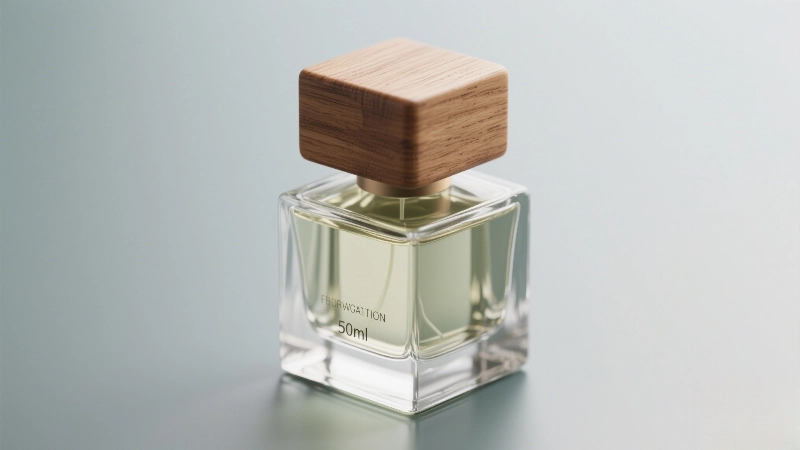
The color of walnut is very distinctive. The sapwood of the wood is milky white, and the heartwood ranges from light brown to dark chocolate. Occasionally, purple and darker stripes may appear, which makes the same piece of wood have obvious color differences. Its texture is delicate and the overall color is mainly dark. This unique color and texture difference has become the charm of walnut. Many fragrance brands choose walnut to make perfume caps because of the differentiated characteristics of its wood, which can make each batch of products unique and show the uniqueness and high-end quality of the product. In terms of price, walnut is the most expensive of the four types of wood introduced in this article, with a price of about $1,200-1,750 per cubic meter. The high price also determines that it is mainly used in high-end perfume brands.
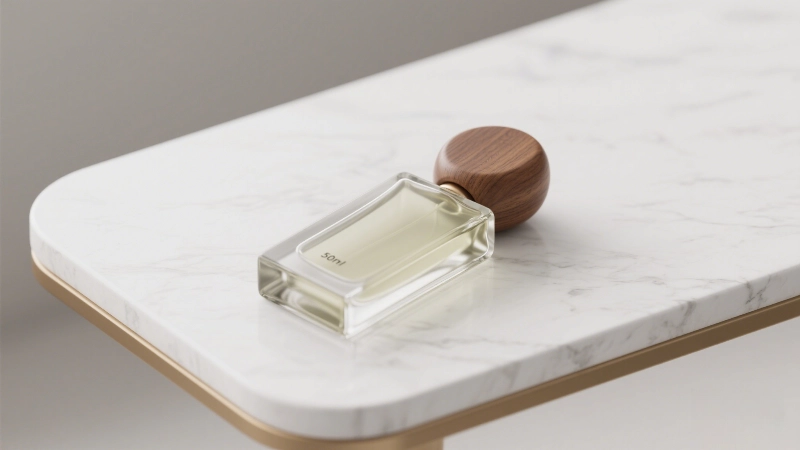
Rosewood is one of the main afforestation tree species in Hainan, China. It has a long growth cycle and generally takes 7-8 years to form heartwood after planting. Its heartwood is reddish brown, dense and hard, with an air-dry density of 0.82-0.94g/cm³. It is resistant to immersion and wear, does not crack or warp, and emits a long-lasting fragrance. The patterns naturally form various exquisite patterns. It is a top-quality material for making high-end mahogany furniture, craft products, etc. In the field of perfume caps, brands that choose rosewood are undoubtedly the most quality-conscious. The rarity and excellent quality of rosewood can greatly enhance the grade and value of perfume products. However, its price is also quite expensive, with a price of more than $2,200 per cubic meter, which is a luxury-level wood.
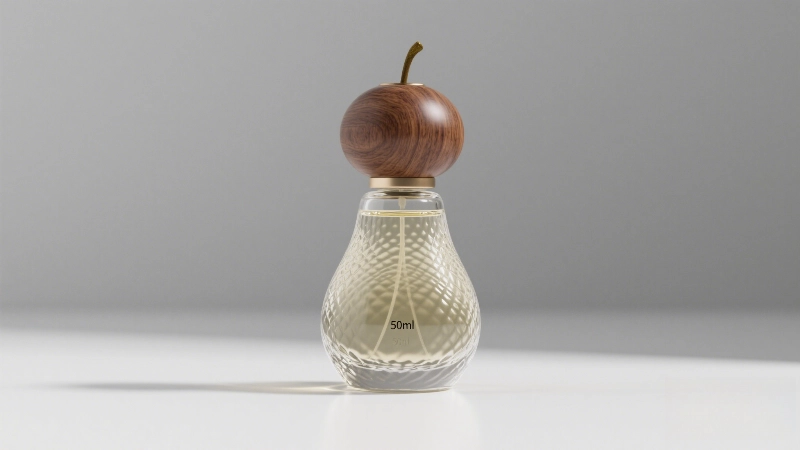
Rubberwood has a light color, beautiful texture, small shrinkage, light to medium density, and air-dry density of about 0.6 – 0.68g/cm³. It has good mechanical processing and finishing properties. However, compared with oak, rubberwood is lighter and softer, and is prone to discoloration, insect infestation, and decay. In actual applications, rubberwood perfume caps are prone to deformation, so Perfume Dynamic does not recommend it for high-quality perfume bottle caps. However, in the low-end market, rubberwood has become one of the options for cost control due to its low price advantage.
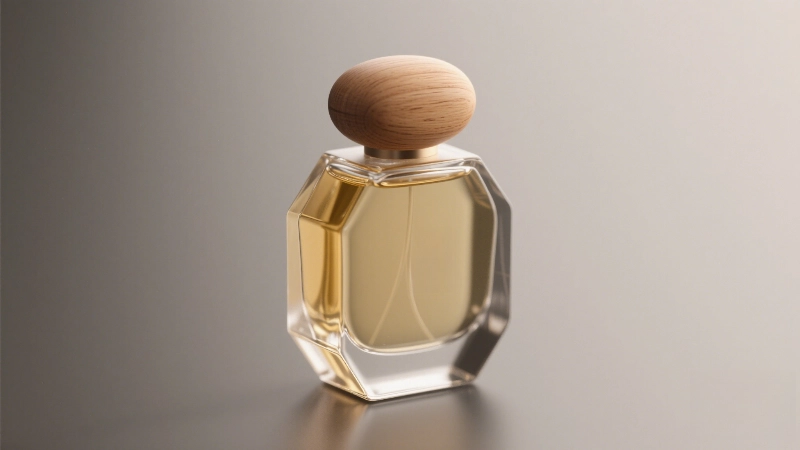
Lotus wood is hard, light gray, and has a straight texture. The wood is durable, resistant to corrosion, and wear-resistant. Its air-dry density is about 0.6 – 0.73g/cm³. Although its performance is not as good as some mid-to-high-end woods, it has its unique application value in the low-end market. Maple is cheap, with a price of about $250-380 per cubic meter, and is often used to make low-end perfume caps that are sensitive to cost. However, due to its relatively ordinary material and appearance, it is difficult to meet the quality and design requirements of mid-to-high-end brands.
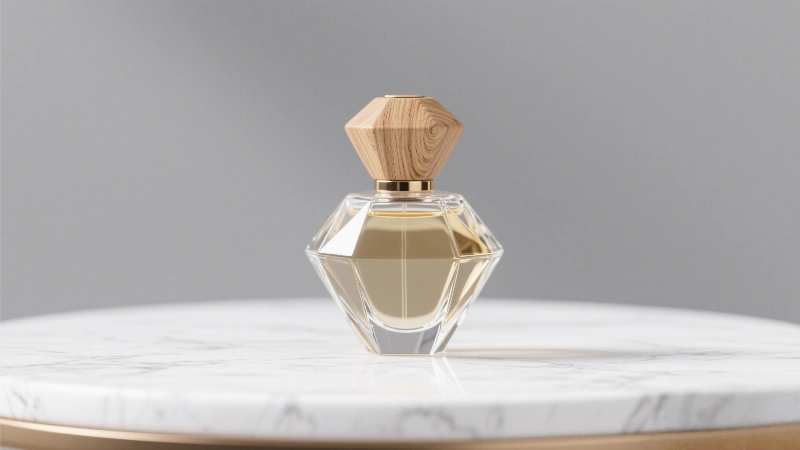
Maple has gradually attracted attention in the past two years, especially among brands that like light colors. Maple has beautiful texture and uniform texture, and its air-dried density is about 0.55 to 0.65g/cm³. Although there are relatively few brands that use maple to make perfume caps, as consumers’ preference for light-colored products increases, maple is expected to occupy a more important position in the wooden perfume cap market. Its price is moderate, with a price of about $450-650 per cubic meter, providing brands with more diversified choices.
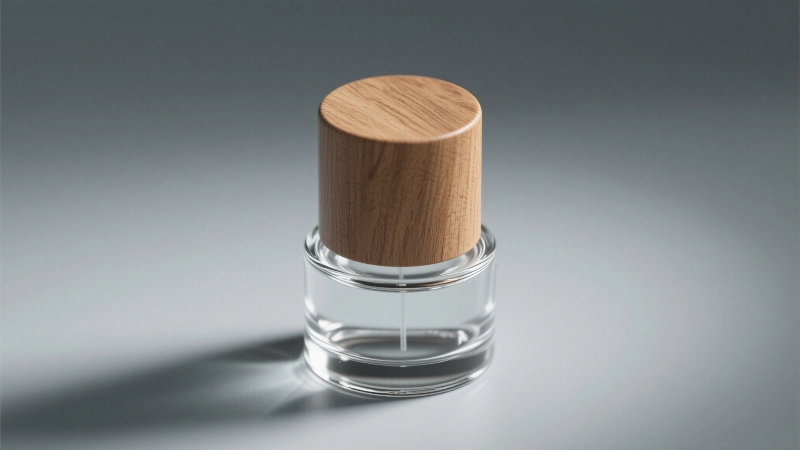
Bamboo and wood products have high humidity and are not easy to mold in a dry environment, but when the humidity is greater than 20%, the risk of mold increases significantly. At the same time, bamboo and wood that have not been sterilized and charcoal-grilled are prone to insects. Therefore, Perfume Dynamic recommends that if bamboo and wood are used to make perfume caps, fresh bamboo and wood must be treated with mildew prevention, and carbonized bamboo is a better processing method. Bamboo and wood are natural and environmentally friendly, and the price is relatively low, about $285-450 per cubic meter. It is suitable for brands that pursue natural style and pay attention to cost control, but its special properties need to be paid attention to during processing and use.
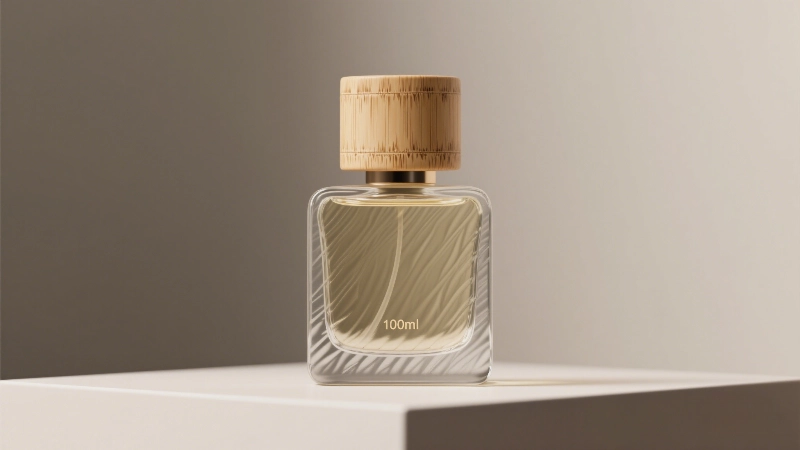
Pine wood is a common wood in daily life. It has a natural texture and is relatively soft. The air-dry density is about 0.4-0.5g/cm³. Pine wood is occasionally seen on the caps of aromatherapy bottles. Some brands choose not to paint it to retain its original natural texture. Pine wood is relatively affordable, with a price of about $180-285 per cubic meter, which is suitable for brands that pursue a simple and natural style with a limited budget. However, due to its soft texture, it is slightly inferior to some other woods in durability and beauty.
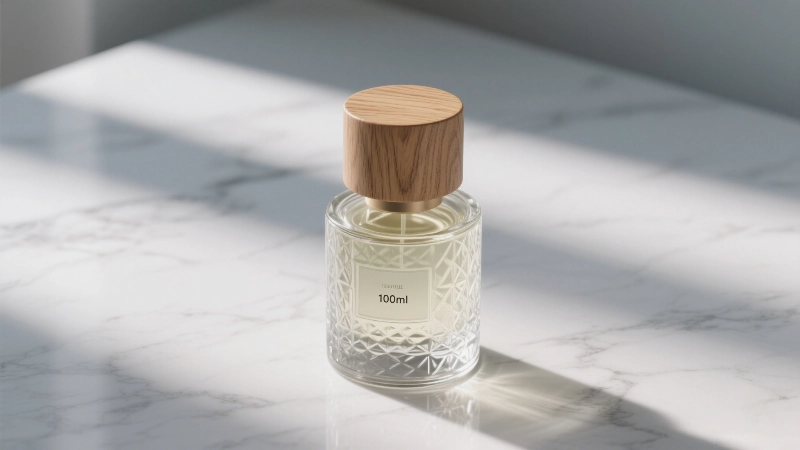
There are a variety of wood options for wooden perfume caps, and each wood has its own unique characteristics, advantages and disadvantages, and price range. Middle and high-end woods such as ash, beech, and oak have excellent performance and beauty.The texture is suitable for mid-to-high-end perfume brands, which can enhance the quality and added value of the products; walnut and rosewood have become the symbol of high-end luxury perfumes due to their scarcity and uniqueness; rubber wood and lotus wood play an economic and practical role in the low-end market; maple, bamboo and pine also provide brands with more personalized and differentiated choices. In the actual material selection process, perfume bottle developers and purchasers should comprehensively consider factors such as brand positioning, design requirements, and cost budgets to select the most suitable wood to create perfume packaging materials that meet market demand and are unique.
A raw timber price does not tell you the price of a finished perfume cap. Finished-cap cost also depends on the cap dimensions, shape, material yield, machining, coating, logo decoration, inner insert, assembly and order quantity.
For a meaningful comparison, ask suppliers to quote the same drawing, material specification, finish, insert and packing requirements. Confirm whether samples, tooling and delivery are included or quoted separately.
Prices should be confirmed for the actual project rather than treated as a fixed rate for a wood name.
• Material identity and construction
• Cap dimensions and agreed tolerances
• Color, grain and finish reference
• Inner insert material and fit
• Cap removal and retention on the selected bottle assembly
• Logo position and appearance
• Surface condition after agreed handling and exposure tests
• Packing method and shipment protection
YAFENG helps fragrance brands coordinate glass bottles, matching caps and custom decoration. Our in-house decoration capabilities include spray coating, screen printing and hot stamping.
Send your bottle reference, cap design, preferred finish and order quantity. We can review the packaging requirements and prepare a project quotation with the proposed components and decoration.


Elevate your beauty brand with strategic packaging design! Explore luxury & sustainable cosmetic packaging trends, brand collaborations & unboxing experiences.
Amber glass bottles offer luxury, UV protection, and stability for beauty packaging. Learn about their production, quality control, and benefits for skincare brands.
Give old candles new life! Learn how to safely remove wax, recycle candle jars, and get creative with repurposing ideas. Eco-friendly tips for candle lovers.
Discover why glass packaging is essential for preserving skin care products, offering sustainability, safety, and premium aesthetics.
Discover the benefits of amber glass jars for cosmetic packaging! Learn how they protect your products, enhance your brand, and offer a sustainable solution.
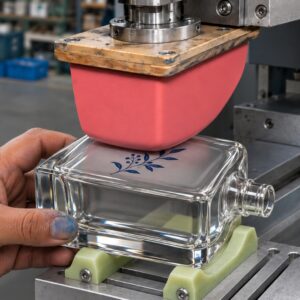
Explore laser marking for cosmetic packaging, compare glass and plastic options, and learn which sample checks to complete before approving production.
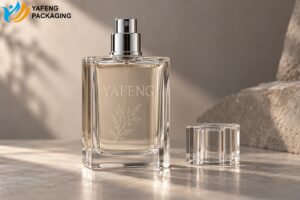
Explore laser marking for cosmetic packaging, compare glass and plastic options, and learn which sample checks to complete before approving production.
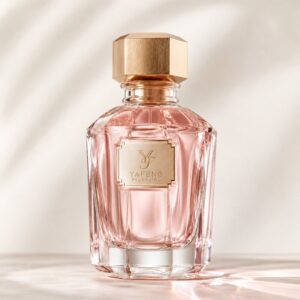
A factory-insider walkthrough of how glass perfume bottles are made — from raw materials and 1500°C melting to molding, annealing, decoration, QC, and packing.
Why most hot-stamped perfume bottles fail alcohol tests — and how UV hot stamping and PVD vacuum coating solve it. Material guide for fragrance brands.
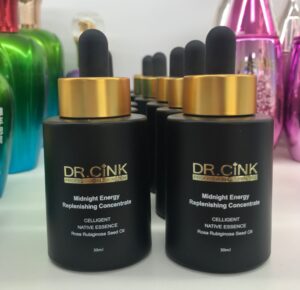
Explore screen printing and hot stamping for cosmetic glass bottles, including processes, defects, cost comparison, and tips for choosing reliable manufacturers.
Discover how spray coating enhances skincare and perfume packaging by improving appearance, brand identity, durability, and safety with advanced technology.