News & Blog
Great things in business are never done by one person. They’re done by a team of people. We have that dynamic group of peoples

In the cosmetics industry, product packaging is not only a part of the appearance design, but also an important embodiment of brand image, user experience and market competitiveness. Different surface treatment processes can improve the visual effect, touch, durability and environmental performance of packaging materials. This article will analyze 11 common cosmetic packaging surface treatment processes in detail, and combine application cases, advantages and disadvantages comparison and the latest trends to help brands choose the most suitable packaging solution.
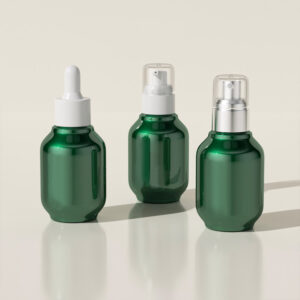
Hot Stamping and Hot Stamping processes transfer metal foil to the packaging surface through high temperature and pressure, giving it a high-end gloss.
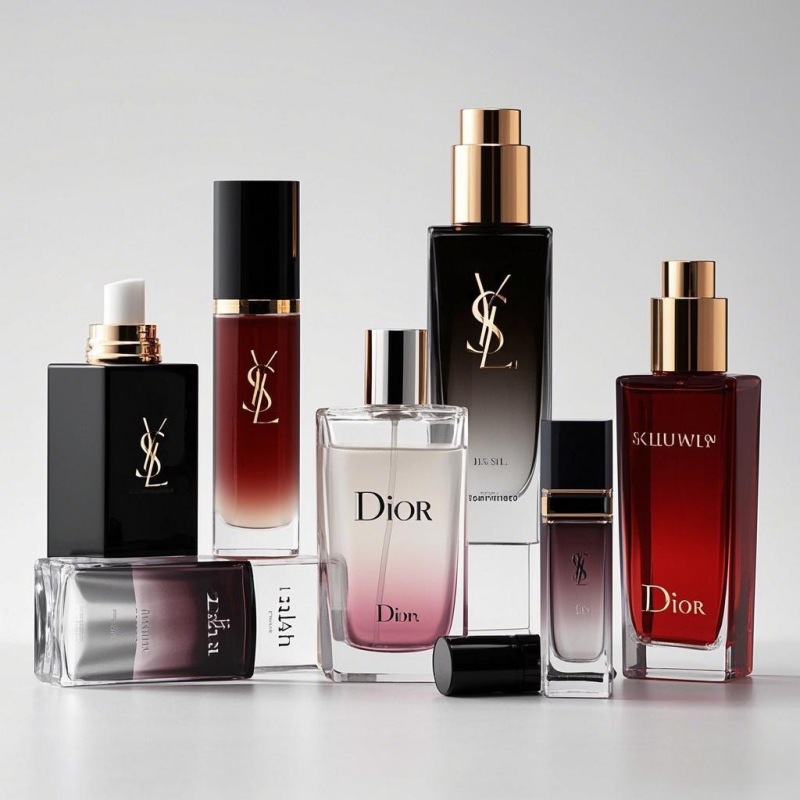
UV coating uses ultraviolet curing to provide high gloss, matte or local bright effects for packaging.
Spray coating is a way to evenly spray paint on the bottle body through a spray gun, which is common in gradient color design.
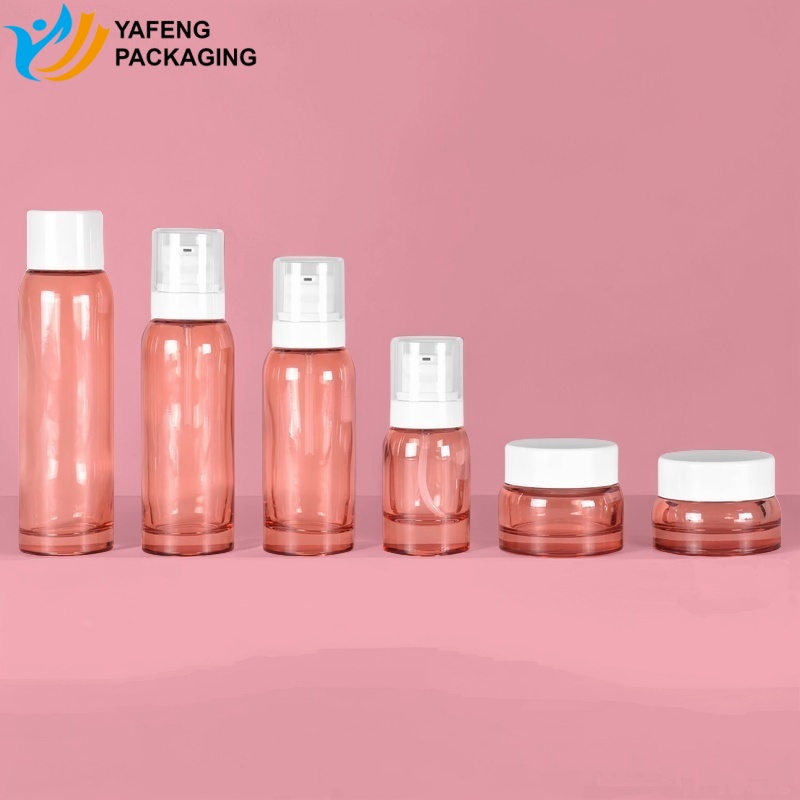
Silk screen printing uses screen printing technology to print patterns and text on the bottle.
Pad printing is a printing process suitable for curved or irregular surfaces.
Electroplating is a process that forms a metal coating on the surface of plastic or metal through an electrochemical reaction.
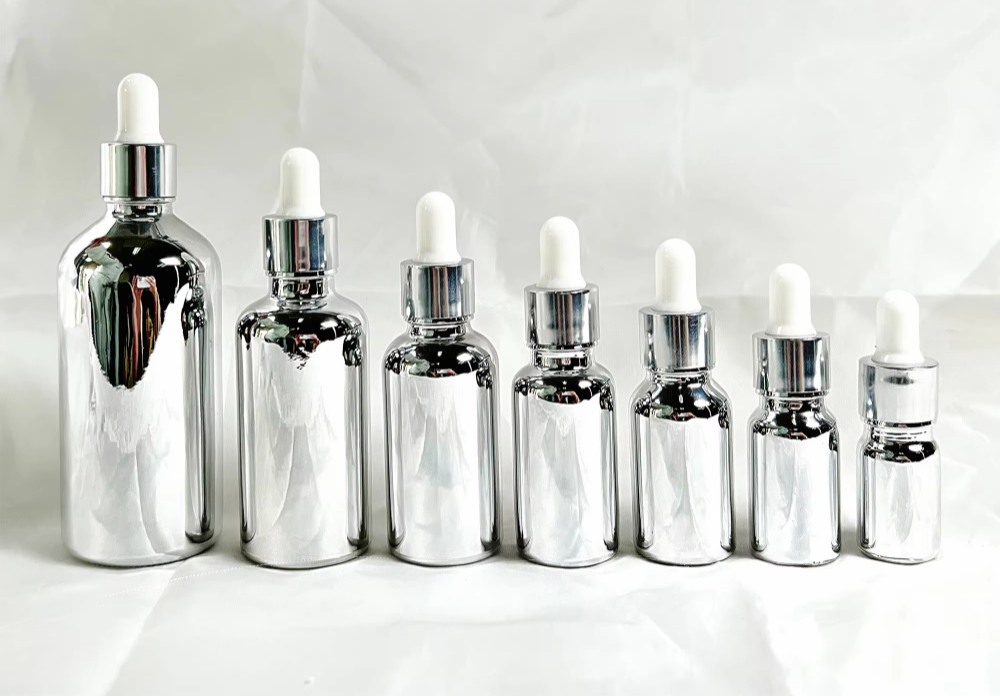
Water transfer printing uses a water-soluble film to cover the pattern on the surface of the bottle.
Heat transfer printing transfers the pre-printed pattern to the packaging surface by heating.
The engraving process uses laser or mechanical methods to carve fine patterns on the surface of glass or metal.
The embossing process forms a concave and convex three-dimensional sense on the packaging surface through a high-pressure mold.
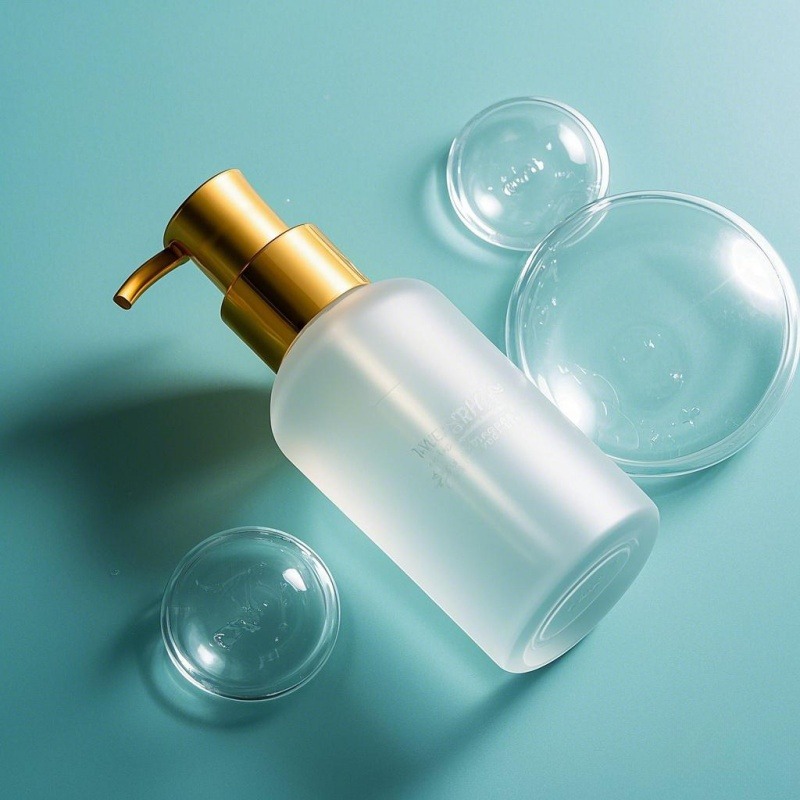
The frosting process uses chemical or mechanical methods to make the glass surface present a matte and foggy effect.
| Process | Visual effect | Wear resistance | Applicable materials | Cost |
|---|---|---|---|---|
| Hot stamping / hot silver | High gloss metallic luster | High | Glass/plastic/metal | Higher |
| UV coating | Glossy or matte | High | Glass/plastic | Medium |
| Spraying | Gradient color | Medium | Glass/plastic/metal | Medium |
| Silk screen | Flat color | High | Glass/plastic/metal | Low |
| Pad printing | Suitable for curved surfaces | Medium | Plastic/glass | Low |
| Electroplating | Mirror metal texture | High | Plastic/metal | High |
| Water transfer | Colorful patterns | Medium | Plastic/Glass | Medium |
| Heat transfer | Bright patterns | High | PET/PP/Glass | Medium |
| Engraving | Fine engraving | Very high | Glass/Metal | High |
| Embossing | Three-dimensional texture | High | Glass/Plastic/Carton | Medium |
| Frosted | Matte | Medium | Glass | Medium |
Different surface treatment processes are suitable for different brand positioning and product requirements. When choosing a process, you need to consider visual effects, durability, environmental protection requirements and cost factors. I hope this article can provide a reference for your cosmetic packaging material selection, enhance your brand image and enhance your market competitiveness.
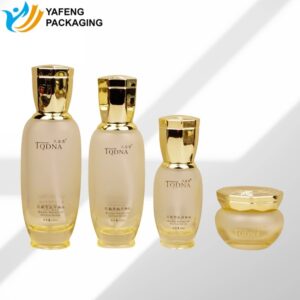
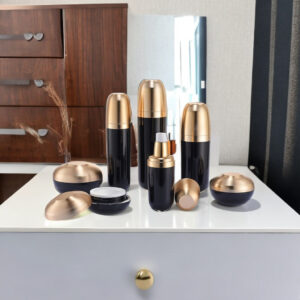
The beauty industry’s plastic packaging problem is significant. Explore challenges, recycling efforts, and sustainable solutions for cosmetic packaging.
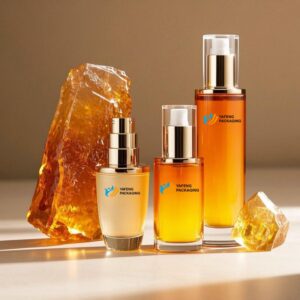
Discover why 62% of luxury skincare brands choose glass packaging: UV-blocking science, premium aesthetics, and eco-sustainability. Explore how glass bottles protect actives and elevate brand artistry.
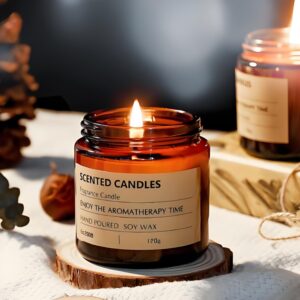
Give old candles new life! Learn how to safely remove wax, recycle candle jars, and get creative with repurposing ideas. Eco-friendly tips for candle lovers.
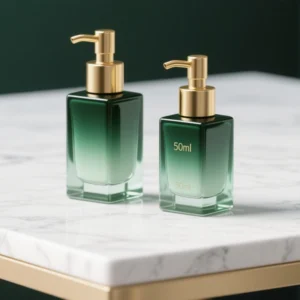
Explore cosmetic glass bottles—safety, eco benefits, types, coloring, mold costs, MOQ, and production tips—in one expert, data-rich guide.
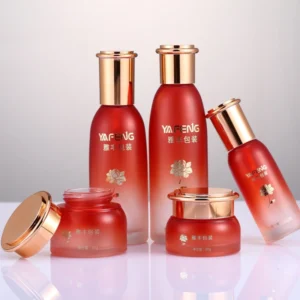
Discover how to ensure high-quality silk screen printing on cosmetic and glass bottles with expert testing methods, defect analysis, and reliability standards.
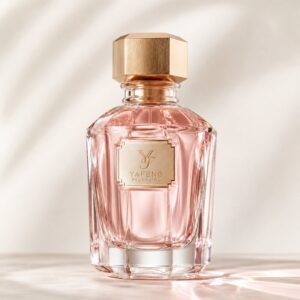
A factory-insider walkthrough of how glass perfume bottles are made — from raw materials and 1500°C melting to molding, annealing, decoration, QC, and packing.
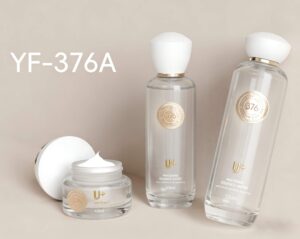
Why most hot-stamped perfume bottles fail alcohol tests — and how UV hot stamping and PVD vacuum coating solve it. Material guide for fragrance brands.
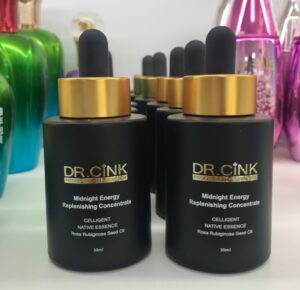
Explore screen printing and hot stamping for cosmetic glass bottles, including processes, defects, cost comparison, and tips for choosing reliable manufacturers.
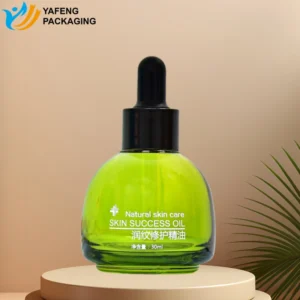
Discover how spray coating enhances skincare and perfume packaging by improving appearance, brand identity, durability, and safety with advanced technology.
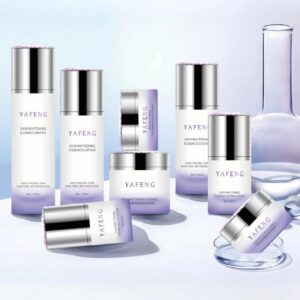
Explore custom vs. stock bottles for skincare packaging. Learn how Yafeng’s solutions boost brand identity, quality, and efficiency in this in-depth guide.
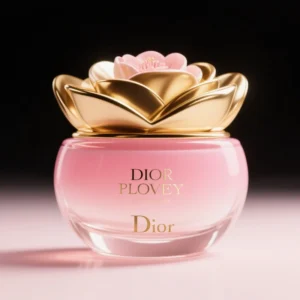
Discover how gradient color spray transforms cosmetic glass bottles, enhances brand image, and boosts product appeal with expert insights from Yafeng Packaging.