News & Blog
Great things in business are never done by one person. They’re done by a team of people. We have that dynamic group of peoples

Laser marking for cosmetic packaging can create lasting logos, batch codes and product identification without applying a conventional ink layer. However, the result depends on the exact glass, plastic, coating and laser process. A clear mark on one sample does not prove that every bottle in a production run will perform the same way. For skincare and fragrance buyers, the practical question is whether the mark remains readable while the package retains its appearance and function. This guide explains the main options, their limitations and the sample checks to complete before approving production.
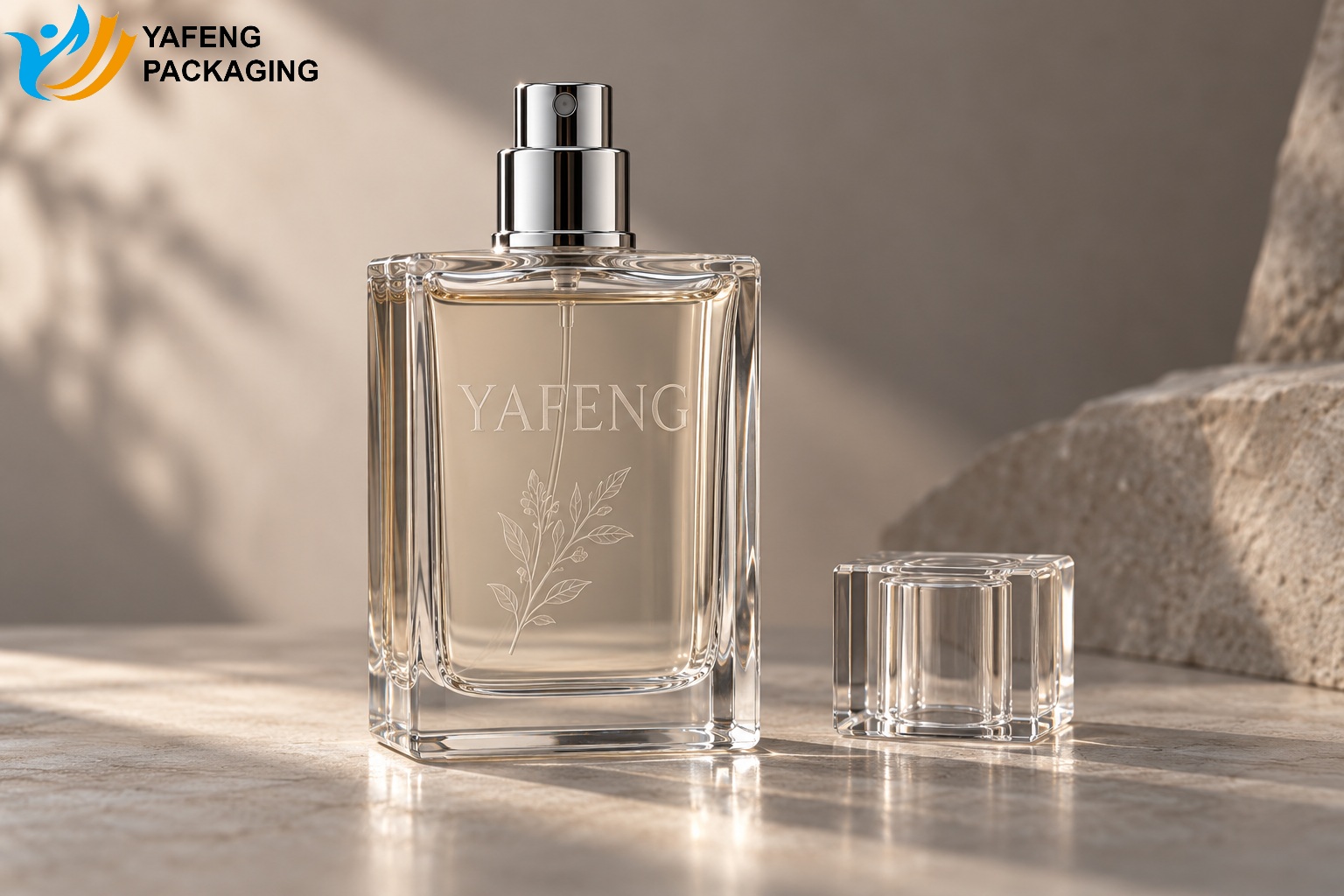
Laser marking is an umbrella term for processes that change a surface to produce text, graphics or codes. Engraving removes material; other methods change color or remove a coating to expose a contrasting layer. These differences matter because two marks that look similar can have different textures and failure risks. Ask the supplier to identify which layer is being marked and whether material is removed.
For example, a logo revealed through a colored bottle coating is different from a frosted-looking mark created in bare glass. The first relies on the contrast between layers; the second changes the glass surface itself. A specification that simply says “laser logo” leaves both appearance and acceptance criteria unclear. Include a physical reference or a description of the intended texture, contrast and location.
TRUMPF describes color change, surface alteration and layer ablation as distinct approaches to marking plastics. This is a useful starting point for a technical discussion, rather than treating every laser mark as a deep engraved recess. [1]
UV, CO₂ and fiber lasers are options to evaluate against the component and the desired effect. A UV laser commonly operates at 355 nm and can reduce thermal effects in suitable applications. The term “cold marking” describes this processing advantage; it should not become a purchasing guarantee that damage is impossible. KEYENCE explains the relationship between UV wavelength, absorption and reduced heat stress. [2]
CO₂ equipment is also used commercially to engrave glass. Trotec documents applications on bottles and other cylindrical glass objects, while noting that material characteristics and existing stresses affect results. Rejecting every CO₂ process solely because the part is glass would therefore be misleading. [3] Fiber marking may be considered for appropriate metal components and some plastics, with the final finish included in the trial.
Ask for a process proposal based on your exact sample. The useful evidence is the approved appearance and condition of the finished component, supported by a repeatable production trial. A machine name alone cannot establish suitability, and a demonstration on an unrelated material should not replace testing on the proposed packaging.
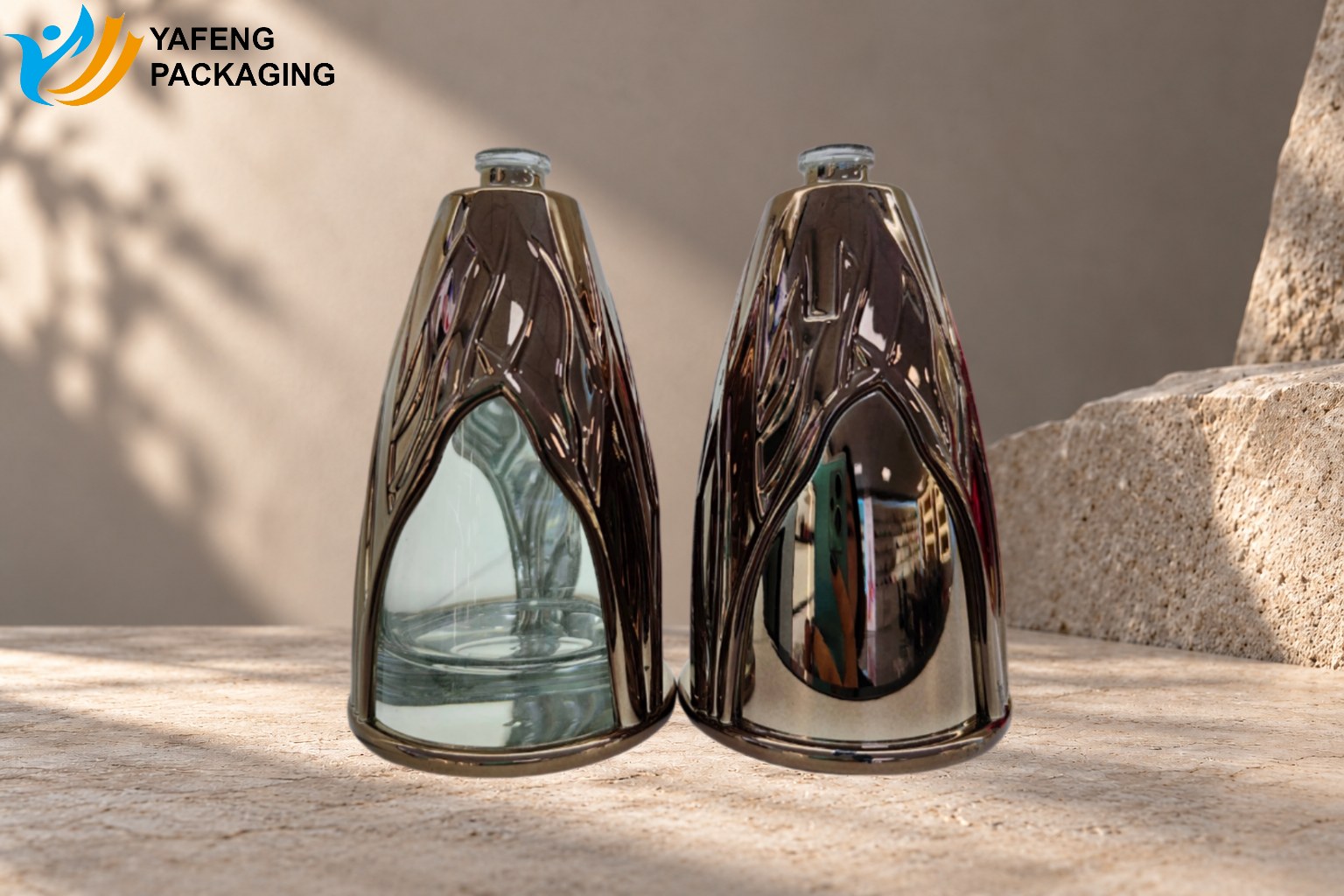
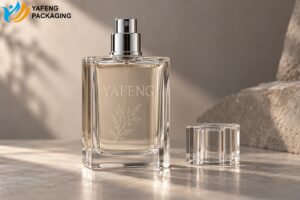
For glass perfume bottles, buyers should evaluate the mark alongside the bottle’s condition. Inspect the marked area for roughness, loose particles, chips and visible cracking. A bright, frosted appearance may suit the design, but it does not by itself establish acceptable bottle strength. Specify the intended location and avoid changing it after approval without another review.
Treat an empty decorative sample as an appearance reference, then plan checks on representative finished packaging. Depending on the project, these may include filling, closure assembly, handling and transport evaluation. Agree the methods with the packaging and filling teams. There is no single inspection photograph that can demonstrate performance across every bottle design and distribution route.
Coated glass needs a separate review. If the laser removes part of the coating, inspect the boundary for ragged edges and unwanted exposure beyond the artwork. Test the remaining finish under the intended conditions of use. A mark may remain visible even when the surrounding coating deteriorates, so approve the whole decorated surface rather than the logo alone.
A resin name such as PP or PET is not a complete laser-marking specification. Pigments, additives and other formulation differences can change how the material responds. TRUMPF notes that sufficient absorption is important and that laser-sensitive additives can improve marking in some plastics. [1] This does not mean every plastic component needs a new additive package.
For a cap or pump actuator, request samples in the final color and formulation. If an additive is proposed, ask the component supplier to review its effect on the intended application and relevant material documentation before approving the change. Substituting a more easily marked compound after product qualification can create additional work beyond the decoration itself.
Keep material approval connected to production records. As a practical control, identify the resin grade, color masterbatch and any approved marking additive in the specification. Define which changes require another trial. This is particularly useful when a component is available from multiple molding suppliers or when recycled content is introduced. Do not assume that visually similar parts will produce identical contrast.
Choose the process around the job the artwork must do. A small batch identifier, a decorative logo and a multicolor illustration have different requirements. Laser marking can be a useful candidate for variable information or a restrained surface effect. Screen printing, pad printing and other decoration methods offer different ways to deliver color and coverage.
The comparison below is a selection guide, not a universal ranking. Printing durability depends on the substrate, preparation, ink system and curing; a laser mark also needs application-specific validation. Ask suppliers to quote against the same artwork and acceptance criteria so that the comparison reflects the finished pack.
| Buying requirement | Laser marking or engraving | Screen printing or pad printing |
|---|---|---|
| Defined brand colors | Appearance depends on material response or exposed layers | Colored inks offer direct color-selection options |
| Changing batch or serial information | Digital artwork can support variable data | Fixed artwork usually needs a separate coding solution |
| Surface texture | May remain smooth or become textured, depending on process | Adds an ink layer with its own feel and finish |
| Durability assessment | Evaluate readability and the affected surface | Evaluate adhesion, abrasion and chemical resistance |
| Curved components | Needs suitable focus, access and positioning | Needs a suitable screen or pad and holding arrangement |
| Cost comparison | Include setup, marking time, handling and inspection | Include tooling, ink, setup, curing and inspection |
A combined approach may be worth sampling. A skincare bottle could use printed branding alongside a separate laser-marked identifier. This is an illustrative design option, not a claim about an existing YAFENG project. Confirm the decoration sequence so one operation does not compromise the other, and assess both features on the same finished sample.
Non-contact processing still requires controlled positioning. A bottle that rotates slightly in its holder can place a logo incorrectly even when the mark itself is crisp. Curved surfaces also change the working distance across the design. Trotec describes rotary attachments for curved glass, illustrating why the holding and motion system belongs in the process discussion. [3]
For QR codes or other machine-readable symbols, approve performance in the intended reading environment. Test the actual code content and size, the finished package and the relevant readers. If consumers will scan a transparent bottle, include representative lighting and filled-pack conditions in the trial. A successful scan from one phone is useful evidence, but it is a limited test.
As a purchasing practice, define the scan test and acceptance criteria before production. If a formal verification grade is required by your customer, agree the applicable method with that customer and the testing provider. Also distinguish traceability from authentication: a readable serial number supports identification, but a copyable code alone does not establish a complete anti-counterfeiting system.
Approve samples made with the intended component, finish, artwork and manufacturing sequence. A flat material coupon can help screen options, but the next stage should use the actual pack. For skincare glass packaging, include relevant caps, pumps or droppers when their assembly affects access, orientation or handling.
Keep signed reference samples and record the visual conditions used to judge them. Define the inspection distance, lighting and unacceptable defects. Separate cosmetic acceptance from functional acceptance: the first addresses appearance, while the second addresses whether the package still performs its intended task. The following checklist proposes review actions rather than diagnosing defects without investigation.
| Observation | Possible factors to investigate | Proposed approval check |
|---|---|---|
| Weak or inconsistent contrast | Material variation, focus or process settings | Compare representative samples against the agreed reference |
| Rough or chipped glass mark | Material response or excessive local processing | Magnified surface inspection and agreed package tests |
| Distorted or misplaced artwork | Holding position, orientation or surface curvature | Measure location and compare artwork across multiple parts |
| Code looks clear but does not scan | Code size, contrast, distortion or lighting | Test actual data with intended readers and conditions |
| Coating edge lifts or discolors | Coating compatibility or decoration sequence | Examine boundaries before and after agreed exposure tests |
| Samples pass but production varies | Material changes, handling or process drift | Review trial-run records and change-control requirements |
For perfume packaging, a project-specific exposure test might address accidental contact with the intended fragrance or an agreed representative liquid. Define concentration, contact time, wiping conditions and acceptance criteria. These are test variables to agree, not universal values supplied by this guide. Repeat relevant checks after exposure rather than judging only the initial appearance.
Avoiding a conventional printing ink at the marking step can simplify part of the decoration process. It does not establish that the complete operation produces no emissions or uses no consumables. Trotec identifies materials whose laser processing can produce hazardous gases or dust, and separately describes extraction systems for smoke, fumes and particles. [4][5]
For purchasing, ask the processor to review the actual substrate and coating, including any material information supplied by upstream manufacturers. Confirm that suitable extraction and residue management are part of the proposed process. Do not approve an unidentified plastic simply because a trial creates an attractive mark.
Keep environmental language specific to the evidence available. An ink-free mark does not prove that the finished pack is recyclable, biodegradable or lower in total environmental impact. If such claims matter to the project, assess the complete packaging construction and obtain appropriate supporting evidence. The same care applies to coatings and additives introduced to improve the marking result.
Send the supplier the component drawing or sample, material details, final finish and artwork at the intended size. Specify whether you need a fixed logo or changing information, and show the marking location relative to identifiable bottle features. Include target quantity, delivery schedule and the required sample-approval steps.
Compare quotes on the same basis. Ask what is included for trials, fixtures, artwork setup, marking, cleaning, inspection and protective packing. The cost of a small identifier should not be compared directly with a large filled graphic: the amount of processed area, handling and acceptance requirements may differ. Request project-specific pricing rather than assuming a standard processing time or a guaranteed saving over printing.
Finally, agree what happens when the approved setup changes. A new bottle supplier, coating system, resin formulation or artwork location may justify another trial. Recording those triggers makes the approved sample a usable production reference and helps purchasing, quality and design teams work from the same specification. 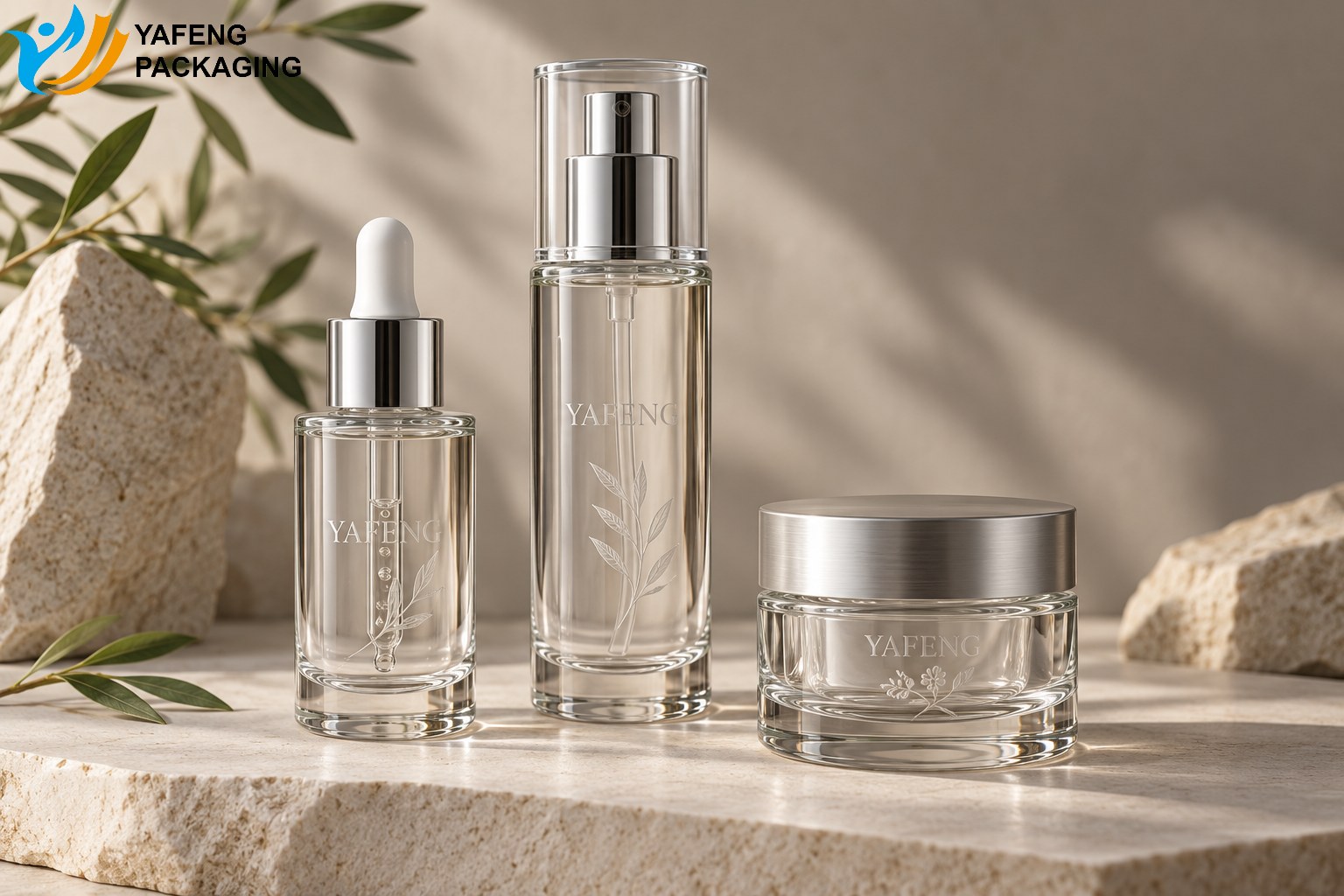
It can provide lasting identification, but “permanent” needs a defined context. The marked material or exposed layer can still be damaged, and readability may change with wear or surface deterioration. Approve the mark against the expected handling, product exposure and service conditions rather than relying on an unrestricted durability claim.
No single laser is best for every glass component and design. UV can be a useful option, while CO₂ glass engraving also has established applications. Ask the supplier to justify the proposed method using your bottle, artwork and acceptance requirements. Evaluate the finished result, including surface condition, rather than wavelength alone.
No. Some formulations can produce suitable marks without an additional marking additive; others may benefit from one. Test the exact resin and color first. Any proposed formulation change should be reviewed with the component supplier, and the approved specification should identify the materials used for both sampling and production.
Do not assume it can reproduce a specified ink color. The appearance often depends on how the material responds or which underlying layer is exposed. For precise brand colors, compare printed decoration with the proposed laser sample. The two methods can also be combined when they serve different design functions.
It depends on the artwork, quantity, component and production arrangement. Laser marking may avoid some printing tooling, but trials, positioning, processing and inspection still have costs. Obtain comparable quotations for the same finished specification, and include setup and handling rather than comparing only the quoted decoration price per piece.
Since 2004, YAFENG Packaging has focused on custom cosmetic glass packaging. For a project review, share your bottle format, material and finish, artwork, target quantity and launch schedule. Include any required marking or readability tests so the discussion starts with a clear specification. Contact YAFENG Packaging to discuss the next steps for your packaging project.

Discover top cosmetic packaging materials like glass, aluminum, and sustainable solutions. Enhance product appeal, preserve quality, and meet eco-friendly goals.
Discover the top 10 woods for perfume caps, comparing texture, pros, cons, and price to help you choose the best material for stylish, high-quality packaging.
Single-material all-plastic pumps are revolutionizing cosmetic packaging with eco-friendly, cost-effective, and recyclable designs, driving sustainability and brand appeal.
Explore glass bottle production processes, common defects, and quality optimization solutions. Learn how to enhance efficiency, reduce costs, and improve product quality.
Confused about print finishes? This guide explains the difference between uncoated, matte, gloss, aqueous, and UV coatings to help you choose the best for your project.
Explore laser marking for cosmetic packaging, compare glass and plastic options, and learn which sample checks to complete before approving production.
A factory-insider walkthrough of how glass perfume bottles are made — from raw materials and 1500°C melting to molding, annealing, decoration, QC, and packing.
Why most hot-stamped perfume bottles fail alcohol tests — and how UV hot stamping and PVD vacuum coating solve it. Material guide for fragrance brands.
Explore screen printing and hot stamping for cosmetic glass bottles, including processes, defects, cost comparison, and tips for choosing reliable manufacturers.
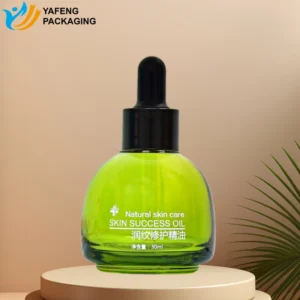
Discover how spray coating enhances skincare and perfume packaging by improving appearance, brand identity, durability, and safety with advanced technology.
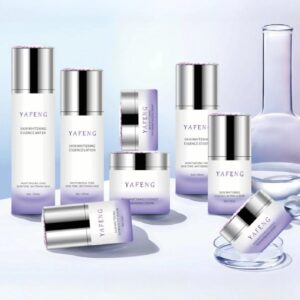
Explore custom vs. stock bottles for skincare packaging. Learn how Yafeng’s solutions boost brand identity, quality, and efficiency in this in-depth guide.