ข่าว & บล็อก
สิ่งยิ่งใหญ่ในธุรกิจไม่เคยสำเร็จได้ด้วยคนเพียงคนเดียว แต่สำเร็จได้ด้วยทีมของคนที่ทำงานร่วมกัน เรามีกลุ่มคนที่มีพลวัตเช่นนั้น
คู่มือปฏิบัติสำหรับผู้ก่อตั้งแบรนด์ความงาม ผู้ซื้อบรรจุภัณฑ์ และทุกคนที่อยากรู้ว่าอะไรเกิดขึ้นจริงระหว่าง “เราต้องการขวดน้ำหอมแบบสั่งทำ” กับ “พาเลทเพิ่งมาถึง”
หากคุณเคยถือสิ่งของที่มีน้ำหนักพอดีอย่างสวยงาม ขวดน้ำหอมแก้ว และสงสัยว่าทำไมขวดหนึ่งถึงรู้สึกพรีเมียมในขณะที่อีกขวดรู้สึกถูก — แม้ว่าจะดูแทบจะเหมือนกันบนเว็บไซต์ — คำตอบมักจะอยู่ในกระบวนการผลิตเสมอ บรรจุภัณฑ์แก้วเป็นหนึ่งในผลิตภัณฑ์ที่ 90% ของคุณภาพถูกกำหนดไว้ล่วงหน้านานก่อนที่ขวดจะถึงขั้นตอนการตกแต่ง หากเลือกวัตถุดิบผิด ไม่ว่าจะปั๊มทองมากแค่ไหนก็ไม่สามารถช่วยขวดที่เสร็จสมบูรณ์ได้.
บทความนี้จะพาคุณไปรู้จักกับ 7 ขั้นตอนที่เราใช้ในการผลิตขวดน้ำหอมแก้ว ขวดครีมบำรุงผิวแก้ว หรือขวดครีมแก้วที่โรงงานของเรา เราได้เขียนบทความนี้ในลักษณะที่เราจะอธิบายให้กับผู้ก่อตั้งแบรนด์ที่มาเยี่ยมชมโรงงานเป็นครั้งแรก — โดยไม่มีคำศัพท์เทคนิคที่ซับซ้อน ไม่มีคำโฆษณาชวนเชื่อ และมีรายละเอียดในโลกจริงที่มักจะเกิดขึ้นในคำถามของลูกค้า.
ทุกขวดน้ำหอมแก้วเริ่มต้นจากการผสมของวัตถุดิบหลักสามชนิด: ทรายซิลิกา (ทรายควอตซ์), โซดาแอช, และ หินปูน. มีส่วนผสมรองอื่น ๆ ขึ้นอยู่กับประเภทของแก้ว — อะลูมินาเพื่อความเสถียร, คัลเล็ต (แก้วรีไซเคิล) เพื่อลดการใช้พลังงาน, บางครั้งใช้แบเรียมหรือโบรอนสำหรับแก้วฟลินท์ที่มีความใสสูง — แต่สามส่วนผสมนี้ทำหน้าที่หลัก.
ทรายซิลิก้าเป็นกระดูกสันหลังของกระบวนการผลิต มันให้ซิลิกอนซึ่งกลายเป็นโครงข่ายของแก้ว และความบริสุทธิ์ของมันคือปัจจัยใหญ่ที่สุดเพียงอย่างเดียวที่ทำให้ขวดแก้วของคุณดูใสสะอาดเมื่อเสร็จสิ้นการผลิต เมื่อแบรนด์ผลิตภัณฑ์ดูแลผิวถามเราว่าทำไม “แก้วใส” จากผู้จัดหาคนหนึ่งถึงดูเขียวหรือเทาเล็กน้อย คำตอบเกือบจะทุกครั้งคือการปนเปื้อนของเหล็กในทราย โรงงานคุณภาพจะคัดกรองทรายที่เข้ามาเพื่อตรวจสอบขนาดของอนุภาคและระดับของสิ่งสกปรกก่อนที่มันจะเข้าใกล้เตาเผา.
โซดาแอชช่วยลดจุดหลอมเหลวของซิลิกาจากประมาณ 1700°C ให้อยู่ในช่วงที่สามารถทำงานได้ — หากไม่มีโซดาแอช คุณจะต้องใช้เตาเผาที่ร้อนกว่ามาก ใช้พลังงานมากกว่า และอายุการใช้งานของเตาเผาจะสั้นลงมาก หินปูน (แคลเซียมคาร์บอเนต) ช่วยเพิ่มความเสถียรทางเคมีและความทนทาน ซึ่งเป็นเหตุผลที่ขวดแก้วที่ผลิตอย่างถูกต้องจะสามารถทนต่อการสัมผัสกับน้ำหอมที่มีแอลกอฮอล์หรือเซรั่มที่มีน้ำมันเป็นฐานได้เป็นเวลาหลายปีโดยไม่เสื่อมสภาพ.
ส่วนผสมต้องแม่นยำ เราพูดถึงความแม่นยำในระดับเศษส่วนของเปอร์เซ็นต์ในอัตราส่วนของแต่ละชุดการผลิต เพราะแม้แต่ความคลาดเคลื่อนเพียงเล็กน้อยก็จะปรากฏให้เห็นในภายหลังในรูปแบบของฟองอากาศ ก้อน (อนุภาคที่ยังไม่ละลาย) หรือการเปลี่ยนสี นี่ก็เป็นจุดที่มีการตัดสินใจเกี่ยวกับสูตรแก้วฟลินท์คุณภาพสูงเช่นกัน — หากแบรนด์ต้องการความใสบริสุทธิ์ สีขาวใสเหมือนน้ำอย่างที่เห็นในขวดน้ำหอมหรูหรา ชุดการผลิตจะต้องถูกปรับในขั้นตอนนี้ ไม่ใช่ในภายหลัง.
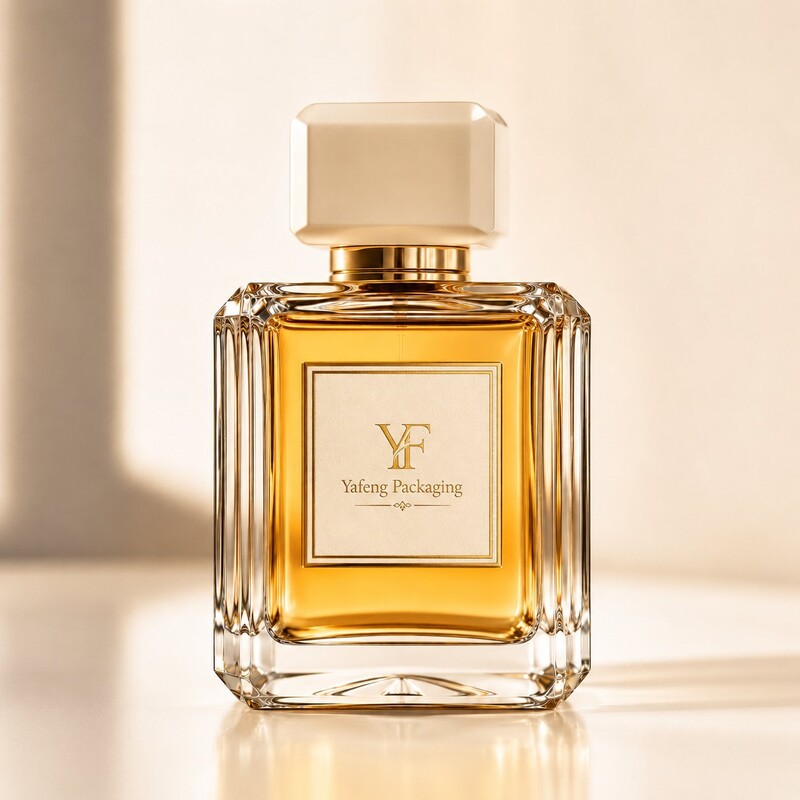 ขวดน้ำหอมทรงสี่เหลี่ยมสีเหลืองอำพัน, 100 มล. — โทนสีเหลืองอำพันอบอุ่นเกิดจากปริมาณออกไซด์ของเหล็กที่ควบคุมในชุดการผลิต ซึ่งกำหนดตั้งแต่ขั้นตอนวัตถุดิบก่อนการขึ้นรูป สามารถสั่งทำแม่พิมพ์พิเศษในขนาด 30–200 มล.
เมื่อส่วนผสมเสร็จสมบูรณ์แล้ว จะถูกส่งเข้าสู่เตาหลอม ซึ่งทำงานที่อุณหภูมิประมาณ 1500–1580°C สำหรับแก้วดูแลผิวและน้ำหอม ที่อุณหภูมินี้ วัตถุดิบจะค่อยๆ หลอมรวมกันเป็นแก้วหลอมเหลวที่เป็นเนื้อเดียวกัน — แต่ “ค่อยๆ” ในที่นี้หมายถึงหลายชั่วโมง ไม่ใช่หลายนาที เตาหลอมแบบต่อเนื่องทั่วไปจะรักษาอุณหภูมิสูงสุดของแก้วหลอมเหลวให้คงอยู่เป็นเวลานานพอที่ปฏิกิริยาทางเคมีจะเสร็จสมบูรณ์และก๊าซที่ติดอยู่ภายในจะหลุดออกมา.
นี่ก็เป็นขั้นตอนที่ส่วนใหญ่ของข้อบกพร่องจะถูกแก้ไขหรือถูกฝังอยู่ในตัววัสดุ กระจกที่หลอมเหลวต้องถูกคนอย่างต่อเนื่องเพื่อให้ส่วนประกอบคงความสม่ำเสมอทั่วทั้งมวลหลอมเหลว หากคุณเคยเห็นขวดที่เสร็จสมบูรณ์แล้วมีเส้นบาง ๆ หรือลวดลาย “หมุนวน” บนผนังขวด นั่นเกือบจะเป็นปัญหาจากการคนในขั้นตอนหลอมเหลวเสมอเตาเผาสมัยใหม่จัดการเรื่องนี้ด้วยระบบบับเบิลอัตโนมัติและการเพิ่มกำลังไฟฟ้า แต่ด้านมนุษย์ — ผู้ควบคุมที่เฝ้าดูเส้นโค้งอุณหภูมิ ความหนืด และสี — ยังคงมีความสำคัญ.
สองสิ่งที่ผู้ซื้อแบรนด์ควรรู้:
นี่คือขั้นตอนที่ผู้คนส่วนใหญ่จินตนาการถึงเมื่อคิดถึงการผลิตแก้ว มีวิธีการขึ้นรูปหลักสองวิธีที่ใช้สำหรับขวดเครื่องสำอางและน้ำหอม และการเลือกใช้วิธีการเหล่านี้มีผลกระทบอย่างมากต่อต้นทุน ความอิสระในการออกแบบ และปริมาณการสั่งซื้อขั้นต่ำ.
การฉีดขึ้นรูปแบบกดแล้วเป่า / การฉีดขึ้นรูปแบบเป่าแล้วเป่า เป็นวิธีการหลักสำหรับการบรรจุภัณฑ์ผลิตภัณฑ์ดูแลผิวและน้ำหอม การหยดแก้วหลอมเหลวในปริมาณที่วัดได้ลงในแม่พิมพ์พาริซัน จากนั้นจะถูกขึ้นรูปเบื้องต้น แล้วจึงย้ายไปยังแม่พิมพ์เป่าขั้นสุดท้ายซึ่งอากาศอัดจะดันให้แก้วขึ้นรูปเป็นทรงที่ต้องการ นี่คือกระบวนการที่ทำให้ได้ผนังขวดที่มีความหนาสม่ำเสมอ ไหล่ขวดเป็นเหลี่ยม และโลโก้ที่นูนคมชัดซึ่งคุณเห็นบนขวดน้ำหอมเชิงพาณิชย์ต้นทุนเครื่องมือเป็นจริง — โดยทั่วไปแล้วจะอยู่ที่ไม่กี่พันดอลลาร์สหรัฐต่อช่องสำหรับแม่พิมพ์ที่ออกแบบเฉพาะ — แต่ต้นทุนต่อขวดจะลดลงอย่างมากเมื่อคุณผลิตเป็นพันหน่วยขึ้นไป.
เป่าด้วยมือ / เป่าด้วยปาก การผลิตยังคงมีอยู่สำหรับน้ำหอมหรูหราเฉพาะกลุ่มและขวดน้ำหอมเชิงศิลปะ ซึ่งแต่ละชิ้นมีความเป็นเอกลักษณ์เล็กน้อย มันสวยงาม แต่ความหนาของผนังอาจแตกต่างกัน ปริมาณการสั่งซื้อขั้นต่ำ (MOQ) คือ “จำนวนที่ช่างฝีมือสามารถทำได้ในหนึ่งวัน” และต้นทุนต่อหน่วยอยู่ในระดับที่แตกต่างกันโดยสิ้นเชิงส่วนใหญ่ของคำขอเกี่ยวกับ “ขวดน้ำหอมหรูหราตะวันออกกลาง” ที่เราได้รับนั้น ไม่ได้ขอให้เป็นแบบเป่าด้วยมือจริง ๆ — แต่เป็นการขอแบบกดและเป่าที่มีผนังหนาและตกแต่งอย่างประณีต.
สำหรับแบรนด์ที่กำลังพัฒนาคอลเลกชันใหม่ นี่คือขั้นตอนที่การออกแบบแม่พิมพ์และการออกแบบโครงสร้างจะถูกกำหนดอย่างถาวร ความหนาของผนัง การตกแต่งคอ (เกลียวที่ด้านบนซึ่งบางครั้งเรียกว่าคอขวดหรือเกลียวขวด) ร่องฐาน และการกระจายน้ำหนักจะถูกตัดสินใจที่นี่ เมื่อแม่พิมพ์ถูกตัดแล้ว การเปลี่ยนแปลงสิ่งเหล่านี้จะมีค่าใช้จ่ายสูง.
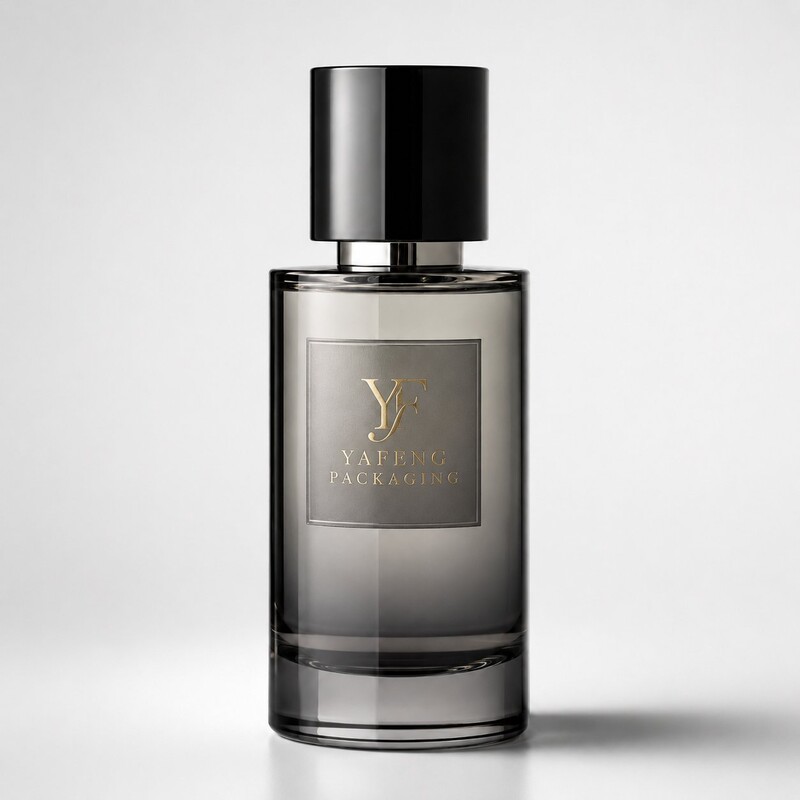 ขวดน้ำหอมทรงกระบอกสีเทาควัน — ผลิตด้วยเทคนิคการเป่าขึ้นรูปด้วยแม่พิมพ์แบบกดและเป่า เพื่อให้ได้ความหนาของผนังที่สม่ำเสมอและผิวไล่เฉดสีอย่างไร้ที่ติ รูปทรงกระบอกเป็นรูปทรงแม่พิมพ์ที่คุ้มค่าที่สุดสำหรับการเปิดตัวน้ำหอมรุ่นใหม่.
เมื่อขวดออกจากแม่พิมพ์ขึ้นรูป มันเพิ่งเปลี่ยนอุณหภูมิจาก 1100°C เป็นประมาณ 600°C ในเวลาเพียงไม่กี่วินาที การเปลี่ยนแปลงอุณหภูมิอย่างฉับพลันนี้ทำให้เกิด ความเครียดภายใน ล็อกอยู่ในแก้ว — มองไม่เห็นด้วยตาเปล่า แต่มีอยู่จริง ขวดที่มีความเครียดตกค้างสูงสามารถทนต่อการขนส่งและแม้กระทั่งสายการผลิตบรรจุได้ แต่จะแตกบนชั้นวางในห้องน้ำของลูกค้าโดยไม่มีเหตุผลที่ชัดเจน เราเคยเห็นการส่งคืนสินค้าที่ขวดทุกใบมีรอยร้าวเล็กๆ ปรากฏขึ้นภายในไม่กี่สัปดาห์หลังจากมาถึง และสาเหตุก็มักจะย้อนกลับไปที่การอบอ่อนที่ไม่เพียงพอ.
การอบอ่อน (Annealing) คือกระบวนการให้ความร้อนอย่างช้า ๆ และควบคุมอย่างแม่นยำเพื่อปลดปล่อยความเค้นในวัสดุ ขวดจะเคลื่อนผ่านอุโมงค์ความยาวที่ควบคุมอุณหภูมิอย่างแม่นยำซึ่งเรียกว่า เลห์ร์, ซึ่งที่นั่นพวกมันจะถูกทำให้ร้อนขึ้นอีกครั้งจนถึงประมาณ 550°C และจากนั้นจะถูกทำให้เย็นลงตามเส้นโค้งที่กำหนดไว้ — โดยทั่วไปจะใช้เวลา 30 ถึง 90 นาที ขึ้นอยู่กับความหนาของผนังและขนาดของขวด ขวดน้ำหอมที่มีน้ำหนักมากกว่าและมีฐานหนาจะต้องใช้เวลาในการอบชุบให้นานขึ้น ส่วนขวดหมึกพิมพ์ที่มีผนังบางสามารถผ่านกระบวนการได้เร็วขึ้น.
หากคุณกำลังประเมินผู้จัดจำหน่ายบรรจุภัณฑ์แก้วรายใหม่ คำถามที่ควรถามไม่ใช่ “คุณอบชุบแก้วหรือไม่?” — ทุกโรงงานจะตอบว่าใช่ คำถามที่แท้จริงคือพวกเขาทดสอบขวดด้วยโพลาไรส์โคปหลังการอบชุบหรือไม่ โพลาไรส์โคปจะแสดงความเครียดที่หลงเหลือเป็นแถบสี ขวดที่ผ่านการอบชุบอย่างดีจะดูสม่ำเสมอ เราทดสอบขวดตัวอย่างจากการผลิตทุกครั้ง และปฏิเสธชุดการผลิตที่ค่าความเครียดไม่ตรงตามมาตรฐาน.
จนถึงจุดนี้ ขวดเป็นเพียงแก้วใส (หรือมีสีอ่อน ๆ) การตกแต่งคือสิ่งที่เปลี่ยนให้กลายเป็นบรรจุภัณฑ์แบรนด์ที่จดจำได้ ตัวเลือกมีตั้งแต่แบบง่ายไปจนถึงซับซ้อนมาก และขวดเดียวมักผสมผสานเทคนิคหลายอย่าง:
ขั้นตอนการตกแต่งเป็นจุดที่เกิดการสื่อสารผิดพลาดระหว่างแบรนด์กับโรงงานมากที่สุด การจับคู่สี Pantone บนแก้วไม่เหมือนกับบนกระดาษ — สีของแก้วและพื้นผิวของแก้วมีผลต่อวิธีการที่สีที่พิมพ์ออกมาจะปรากฏ การขอตัวอย่างการตกแต่งจริง (ไม่ใช่แค่ตัวอย่างดิจิตอล) ก่อนการผลิตจำนวนมากเป็นหนึ่งในไม่กี่สิ่งที่คุ้มค่าเกือบทุกครั้ง.
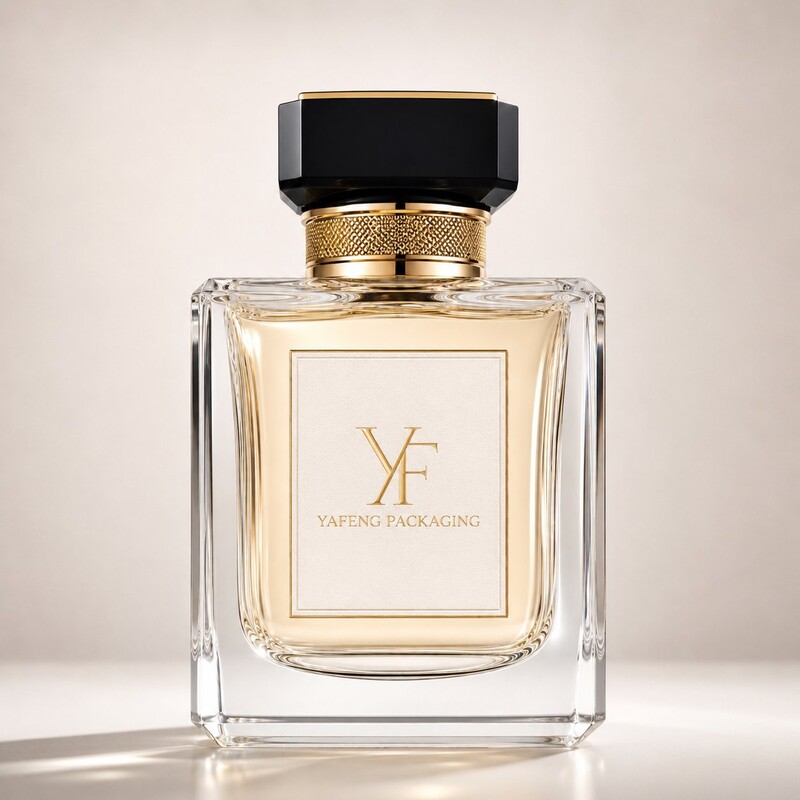 ขวดคริสตัลเหลี่ยมใส — ผสมผสานตัวขวดแก้วฟลินท์คุณภาพสูงกับเทคนิคการตกแต่งสองแบบ: ฉลากกระดาษลายหนังที่ด้านหน้าและปั๊มร้อนสีทองบนตัวอักษร ปลอกคอทองลายหยักเป็นโลหะชิ้นแยกที่เราจัดหาเป็นส่วนหนึ่งของชุดบรรจุภัณฑ์เต็มรูปแบบ.
การตรวจสอบคือจุดที่ระเบียบวินัยในสายการผลิตปรากฏให้เห็น — หรือไม่ปรากฏให้เห็น การตรวจสอบของเราครอบคลุมข้อบกพร่องที่เห็นได้ชัดบนพื้นผิว รวมถึงชุดการวัดที่ผู้ซื้อไม่ได้สอบถามเสมอไปแต่ควรถาม:
สำหรับแบรนด์ต่างประเทศ คำแนะนำที่เป็นประโยชน์คือให้ขอ รายงานการตรวจสอบ AQL ทุกการจัดส่ง — มาตรฐานทั่วไปคือ AQL 2.5 สำหรับข้อบกพร่องหลัก และ AQL 4.0 สำหรับข้อบกพร่องเล็กน้อย โรงงานที่ไม่สามารถจัดทำเอกสารการตรวจสอบได้ คือโรงงานที่คุณไม่สามารถตรวจสอบได้.
ขั้นตอนสุดท้ายเป็นขั้นตอนทางกล แต่มีความสำคัญ ขวดแก้วจะได้รับการปกป้องด้วยแผ่นโฟมกันกระแทก ถาดกระดาษ หรือแผ่นใยกระดาษขึ้นรูป ขึ้นอยู่กับน้ำหนักและรูปทรงของขวด กล่องด้านในมักจะบรรจุ 12–48 ชิ้นต่อกล่อง กล่องหลักจะมีขนาดที่ช่วยถ่วงสมดุลระหว่างความมั่นคงของพาเลทกับน้ำหนักในการขนย้าย (ผู้ให้บริการขนส่งส่วนใหญ่นิยมกล่องหลักที่มีน้ำหนักไม่เกิน 20 กิโลกรัม)ขวดที่เตรียมสำหรับการขนส่งทางทะเลต้องการบรรจุภัณฑ์ที่แตกต่างจากการขนส่งทางอากาศ — กล่องที่ใช้ในการขนส่งทางทะเลจะได้รับการสั่นสะเทือนมากกว่าในช่วงเวลา 30 วันขึ้นไป และความหนาแน่นของโฟมภายในต้องคำนึงถึงสิ่งนี้ด้วย.
สิ่งหนึ่งที่เราได้เรียนรู้จากการจัดส่งสินค้าไปยังอเมริกาเหนือ ยุโรป และตะวันออกกลางมาหลายปี: อัตราการแตกหักที่ปลายทางนั้นเกือบทั้งหมดขึ้นอยู่กับการบรรจุ ไม่ใช่ตัวขวดเอง ขวดที่ผลิตอย่างดีแต่บรรจุไม่ดีก็จะแตก ขวดธรรมดาที่บรรจุดีก็จะมาถึงในสภาพสมบูรณ์ เราทดสอบบรรจุภัณฑ์สำหรับขวดดีไซน์ใหม่ทุกแบบ — ทดสอบการตกกระแทก ทดสอบการสั่นสะเทือน ทดสอบการวางซ้อน — ก่อนอนุมัติข้อกำหนดกล่องสำหรับการผลิต.
เมื่ออ่านผ่านทั้งเจ็ดขั้นตอน จะเห็นรูปแบบที่ชัดเจน: ตัวเลือกที่ราคาถูกและรวดเร็วในทุกขั้นตอนจะสะสมกลายเป็นปัญหาคุณภาพที่ไม่ปรากฏจนกว่าสินค้าของคุณจะอยู่บนชั้นวางของลูกค้า นั่นคือเหตุผลที่ผู้ซื้อฝั่งแบรนด์ที่เคยประสบกับการผลิตที่ผิดพลาดครั้งหนึ่งจะเริ่มถามคำถามที่แตกต่างออกไปในโครงการจัดหาครั้งถัดไป — คำถามเกี่ยวกับความเสถียรของเตาเผา, เส้นโค้งการอบอ่อน, การทดสอบโพลาไรสโคป, และมาตรฐาน AQL แทนที่จะถามแค่ราคาต่อหน่วยที่ต่ำที่สุด.
อีกด้านหนึ่งคือ โรงงานที่มีอุปกรณ์และระเบียบวินัยในการทำสิ่งเหล่านี้ได้ดี มักจะสามารถช่วยเหลือในเรื่อง ออกแบบขวดน้ำหอมแก้วสั่งทำพิเศษ, การจัดหาฝาปิดและปั๊มที่เข้ากัน, วิศวกรรมโครงสร้าง, และ การพัฒนาการตกแต่งอย่างเต็มรูปแบบ — เพราะวัฒนธรรมเดียวกันที่ผลิตแก้วที่มีคุณภาพสม่ำเสมอ ก็มักจะผลิตการดำเนินโครงการที่มีคุณภาพสม่ำเสมอเช่นกัน.
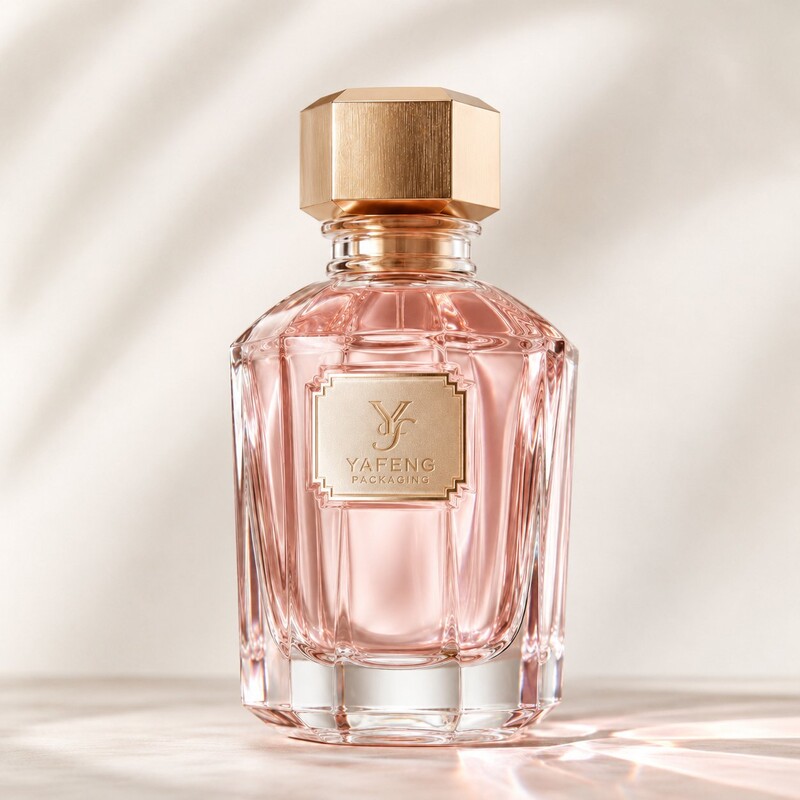 ขวดน้ำหอมคริสตัลสีชมพูสั่งทำพิเศษสำหรับน้ำหอมกลิ่นผู้หญิง — ขนาด 100 มล. ตัวขวดหลายเหลี่ยมเจียระไน ฝาขวดแปดเหลี่ยมขัดเงาสีทอง และป้ายโลหะชื่อแบรนด์ปั๊มนูน จากขั้นตอนการพัฒนาแม่พิมพ์ การตกแต่ง ไปจนถึงการตรวจสอบคุณภาพขั้นสุดท้าย ทุกขั้นตอนประสานงานโดยผู้จัดการโครงการเพียงคนเดียว.
Yafeng Packaging เป็นผู้ผลิตบรรจุภัณฑ์แก้วรายใหญ่มาตั้งแต่ปี 2004 โดยมีฐานการผลิตที่กวางโจวและสำนักงานขายที่ตงกวน เราทำงานเป็นพันธมิตรด้านบรรจุภัณฑ์แบบครบวงจรสำหรับแบรนด์สกินแคร์ เครื่องสำอาง และน้ำหอม — ไม่ใช่แค่ผู้จัดจำหน่ายขวดเท่านั้น นั่นหมายความว่าเราดูแลทุกขั้นตอนในห่วงโซ่อุปทานที่เราได้กล่าวถึง: การพัฒนาแม่พิมพ์ตามสั่ง, การออกแบบโครงสร้าง, การจัดหาฝา/ดรอปเปอร์/ปั๊มที่ประสานกัน, การตกแต่ง (การพ่นสี, การเคลือบฟรอสติ้ง, การพิมพ์ซิลค์สกรีน, การปั๊มร้อน, การพิมพ์ 3D, การติดสติกเกอร์, การพิมพ์แบบถ่ายเทความร้อน), การควบคุมคุณภาพระหว่างกระบวนการและขั้นสุดท้าย, และการสนับสนุนการจัดส่ง — ทุกอย่างอยู่ภายใต้หลังคาเดียว ผู้จัดการโครงการคนเดียว ใบเสนอราคาเดียว.
สิ่งนี้จะมีลักษณะอย่างไรในทางปฏิบัติสำหรับแบรนด์:
หากคุณกำลังพัฒนาผลิตภัณฑ์ดูแลผิวใหม่ คอลเลกชันน้ำหอม หรือชุดบรรจุภัณฑ์เครื่องสำอาง และต้องการผู้ผลิตที่สามารถดูแลโครงการตั้งแต่แนวคิดจนถึงการจัดส่ง โดยที่คุณไม่ต้องประสานงานกับซัพพลายเออร์หลายราย เราพร้อมที่จะพูดคุยรายละเอียดกับคุณ.
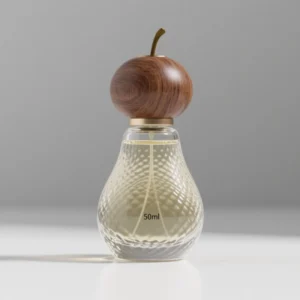
ค้นพบไม้ 10 ชนิดที่ดีที่สุดสำหรับฝาขวดน้ำหอม พร้อมเปรียบเทียบเนื้อสัมผัส ข้อดี ข้อเสีย และราคา เพื่อช่วยให้คุณเลือกวัสดุที่ดีที่สุดสำหรับบรรจุภัณฑ์ที่มีสไตล์และคุณภาพสูง.
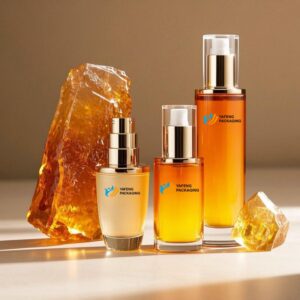
ค้นพบเหตุผลที่ 62% ของแบรนด์สกินแคร์หรูเลือกบรรจุภัณฑ์แก้ว: วิทยาศาสตร์การป้องกันรังสียูวี, ความสวยงามระดับพรีเมียม, และความยั่งยืนทางสิ่งแวดล้อม. สำรวจวิธีที่ขวดแก้วปกป้องสารสกัดและยกระดับศิลปะของแบรนด์.
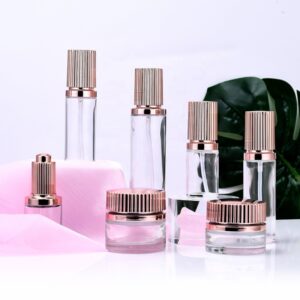
สำรวจการควบคุมคุณภาพในการผลิตขวดแก้วเครื่องสำอาง เรียนรู้เกี่ยวกับวัตถุดิบ การทดสอบ การตรวจสอบ และมาตรฐานสำหรับบรรจุภัณฑ์คุณภาพสูง.
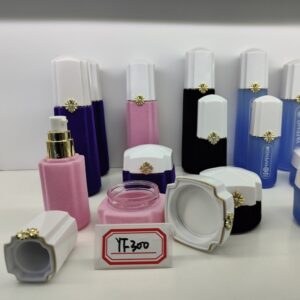
ค้นพบกระบวนการเคลือบฝุ่นไฟฟ้าสถิตในบรรจุภัณฑ์ เพิ่มความหรูหราให้กับขวดแก้วเครื่องสำอางด้วยพื้นผิวที่มีเท็กซ์เจอร์โดดเด่น สีสันสดใส และการออกแบบที่เป็นมิตรต่อสิ่งแวดล้อมสำหรับผลิตภัณฑ์ระดับพรีเมียม.
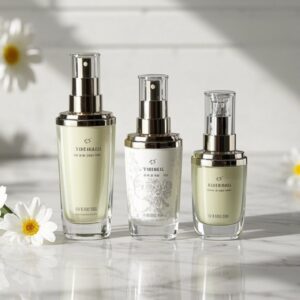
ค้นพบ 10 เคล็ดลับจากผู้เชี่ยวชาญในการเลือกขวดเครื่องสำอางที่ดีที่สุด เพื่อรับประกันคุณภาพ ความทนทาน และความยั่งยืน พร้อมยกระดับกิจวัตรความงามของคุณได้อย่างง่ายดาย.
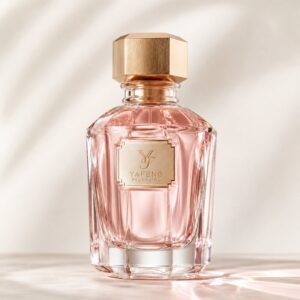
การเดินชมภายในโรงงานโดยผู้เชี่ยวชาญ เพื่อดูกระบวนการผลิตขวดน้ำหอมแก้วตั้งแต่ขั้นตอนวัตถุดิบ การหลอมที่อุณหภูมิ 1,500 องศาเซลเซียส การขึ้นรูป การอบอ่อน การตกแต่ง การตรวจสอบคุณภาพ ไปจนถึงการบรรจุ.
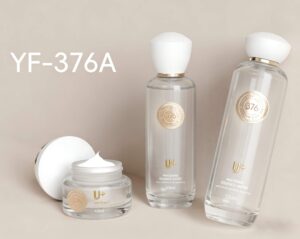
ทำไมขวดน้ำหอมที่ปั๊มร้อนส่วนใหญ่จึงไม่ผ่านการทดสอบแอลกอฮอล์ — และวิธีแก้ปัญหาด้วยเทคนิคการปั๊มร้อนด้วยแสง UV และการเคลือบสูญญากาศ PVD คู่มือวัสดุสำหรับแบรนด์น้ำหอม.
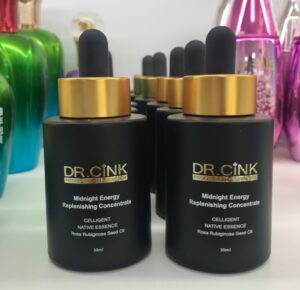
สำรวจการพิมพ์สกรีนและการพิมพ์ร้อนสำหรับขวดแก้วเครื่องสำอาง รวมถึงกระบวนการ ข้อบกพร่อง การเปรียบเทียบต้นทุน และเคล็ดลับในการเลือกผู้ผลิตที่เชื่อถือได้.
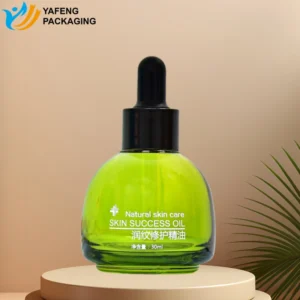
ค้นพบว่าการเคลือบสเปรย์ช่วยเพิ่มประสิทธิภาพในการดูแลผิวและบรรจุภัณฑ์น้ำหอมได้อย่างไร ด้วยการปรับปรุงรูปลักษณ์ อัตลักษณ์ของแบรนด์ ความทนทาน และความปลอดภัย ด้วยเทคโนโลยีขั้นสูง.
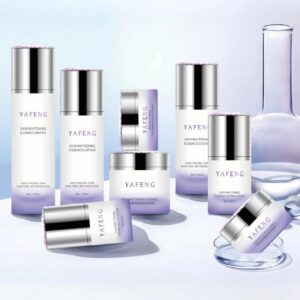
สำรวจขวดแบบสั่งทำพิเศษกับขวดมาตรฐานสำหรับบรรจุภัณฑ์สกินแคร์ เรียนรู้วิธีที่โซลูชันของ Yafeng ช่วยเสริมสร้างเอกลักษณ์แบรนด์ คุณภาพ และประสิทธิภาพในคู่มือฉบับสมบูรณ์นี้.
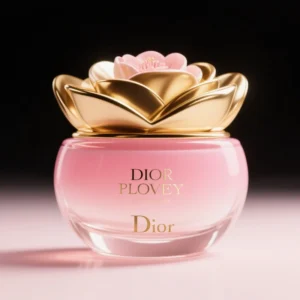
ค้นพบวิธีที่สเปรย์สีไล่เฉดสามารถเปลี่ยนขวดแก้วเครื่องสำอางให้โดดเด่น เสริมภาพลักษณ์แบรนด์ และเพิ่มความน่าสนใจของผลิตภัณฑ์ ด้วยข้อมูลเชิงลึกจากผู้เชี่ยวชาญของ Yafeng Packaging.