News & Blog
Great things in business are never done by one person. They’re done by a team of people. We have that dynamic group of peoples
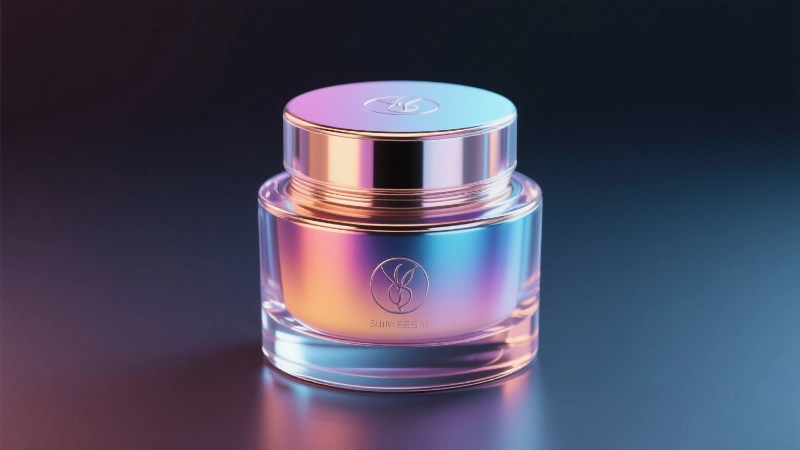
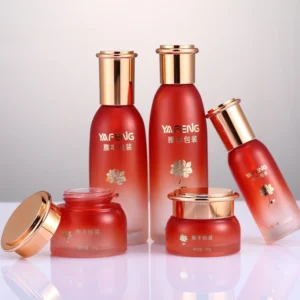
Gradient spray glass bottles feature a gradual color transition created by a sprayed decorative coating on the glass surface. In this guide, “spray” refers to the coating process, not the bottle’s dispensing mechanism.
For skincare and fragrance brands, a gradient finish needs more than an attractive color reference. Before placing an order, confirm the color transition, coating system, approved sample, durability requirements and quotation scope. The five checks below explain what to discuss with your packaging manufacturer.

Specify the starting color, ending color and direction of the gradient. Mark where the transition should begin and end on the bottle, and confirm whether the finish should be transparent, translucent or opaque.
A color code alone does not describe the complete gradient. Provide a visual reference and approve a physical sample on the selected bottle shape. Review the sample under agreed lighting conditions.
Ask which coating system is proposed for the selected glass bottle and intended finish. Confirm any required surface preparation, primer, protective topcoat and curing conditions with the coating supplier and production team.
Do not assume that every gradient project requires the same preparation or coating sequence. The final process should follow the selected materials’ technical instructions and be verified through trials.
Using aerodynamic principles, the spray gun atomizes paint onto glass surfaces. By controlling paint flow, air pressure, spray order, and overlay ratio, a smooth gradient emerges. A rotating table ensures consistent coverage.
Glass Bottle Pretreatment: Clean, de-oil, sandblast, and dust-remove to improve paint adhesion.
Primer Spraying: Apply a base coat for enhanced color adherence and smoothness.
Gradient Color Spraying: Apply colors as per design, adjusting spray angles and distances.
Topcoat Spraying: A transparent coat seals the design, adding gloss and durability.
Drying & Curing: Cure bottles in an oven at controlled temperatures to fix the coating.
| Coating Type | Color Expression | Drying Speed | Adhesion | Eco-Friendly | Cost |
|---|---|---|---|---|---|
| Solvent-based | High | Fast | Strong | Low | Medium |
| Water-based | Medium | Slow | Medium | High | High |
| Powder Coating | Medium | Fast | Strong | High | Low |

High-precision spray guns offer better atomization and paint control.
Stable rotating tables ensure smooth, even color transitions.
Drying ovens must maintain uniform temperature to avoid gloss inconsistency or weak adhesion.
Ideal spray room conditions: 20–25℃ temperature, 40–60% humidity, dust-free.
Poor climate control may cause paint sagging, white fogging, or uneven layering.
Eye-catching gradients draw consumers’ attention. Research shows gradient-packaged cosmetics outperform regular ones by 30% in shelf preference and gain 2–3 extra seconds of consumer gaze.
Gradients reflect brand personality:
Natural brands: green to light gold for purity and elegance.
Trendy lines: pink to violet gradients for youthful energy.
Gradient designs elevate perceived value, enabling 15–20% price increases. Consumers associate these bottles with premium quality and are more likely to repurchase and share them online.
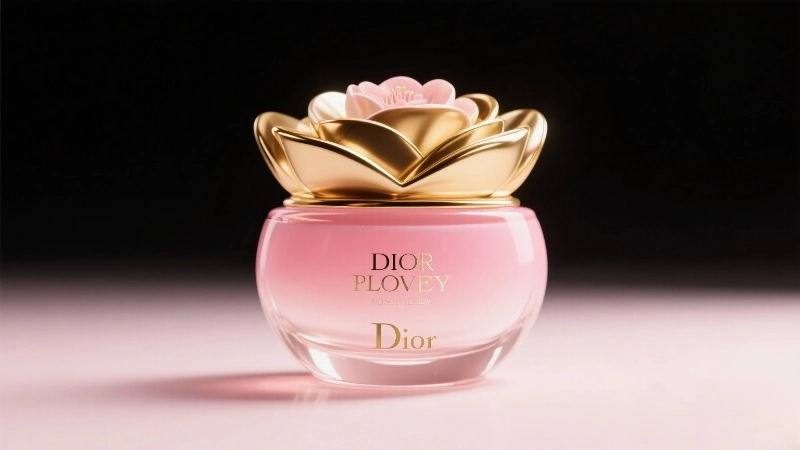
The Dior Nectar series uses a gold-to-pink gradient resembling early morning petals. This luxurious design helped boost sales by 25% YoY, reinforcing brand positioning in elegance and natural ingredients.
Black Opium perfume features a black-to-purple gradient, enhancing the mysterious, sexy tone of the fragrance. The packaging alone contributed to an 18% brand premium.
Absolu Cream comes in a gold bottle with rose gold gradient, exuding class and nobility. After its debut, market share increased by 12%, with higher repurchase rates.

Founded in 2004, YAFENG Packaging provides customized glass packaging decoration for skincare and fragrance brands. Our in-house capabilities include spray coating, screen printing and hot stamping.
For a gradient coating project, share your bottle reference, color direction, artwork and order quantity. Our team can review the decoration requirements and discuss sampling and quotation details.

Send your bottle reference, target colors, quantity and artwork for a sample and quotation discussion.

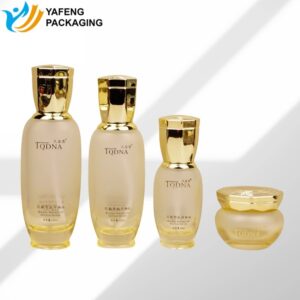
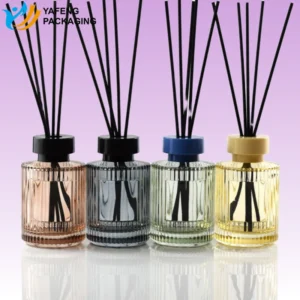

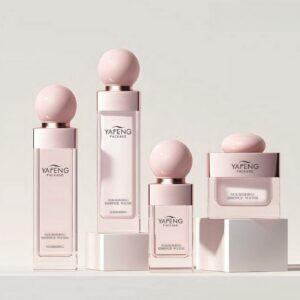
Discover the spray coating process for cosmetic glass packaging, including techniques, benefits, and tips to enhance product appeal and brand value.
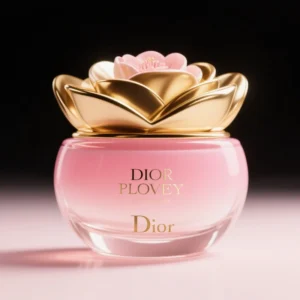
Discover how gradient color spray transforms cosmetic glass bottles, enhances brand image, and boosts product appeal with expert insights from Yafeng Packaging.
Discover how to ensure high-quality silk screen printing on cosmetic and glass bottles with expert testing methods, defect analysis, and reliability standards.
Explore the evolving cosmetic packaging market! Learn about rising material costs, design trends, eco-friendly solutions, and strategies for beauty brands to thrive.
Discover the booming essential oil market! Explore growth drivers, trends, uses in cosmetics & personal care, and a forecast for continued expansion.
Explore laser marking for cosmetic packaging, compare glass and plastic options, and learn which sample checks to complete before approving production.
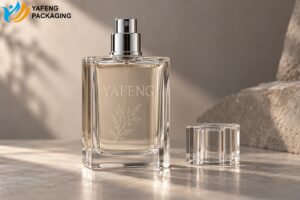
Explore laser marking for cosmetic packaging, compare glass and plastic options, and learn which sample checks to complete before approving production.
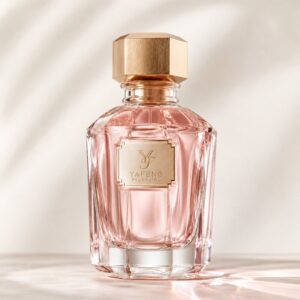
A factory-insider walkthrough of how glass perfume bottles are made — from raw materials and 1500°C melting to molding, annealing, decoration, QC, and packing.
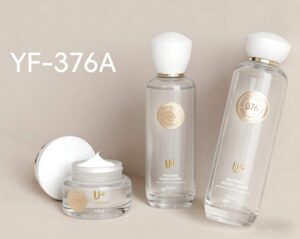
Why most hot-stamped perfume bottles fail alcohol tests — and how UV hot stamping and PVD vacuum coating solve it. Material guide for fragrance brands.
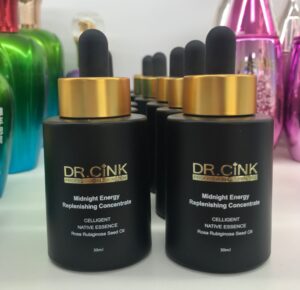
Explore screen printing and hot stamping for cosmetic glass bottles, including processes, defects, cost comparison, and tips for choosing reliable manufacturers.
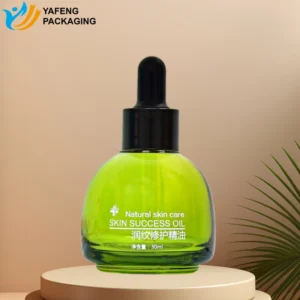
Discover how spray coating enhances skincare and perfume packaging by improving appearance, brand identity, durability, and safety with advanced technology.